


Keeping Your Online Business Data Secured: Top Tips to Achieve It

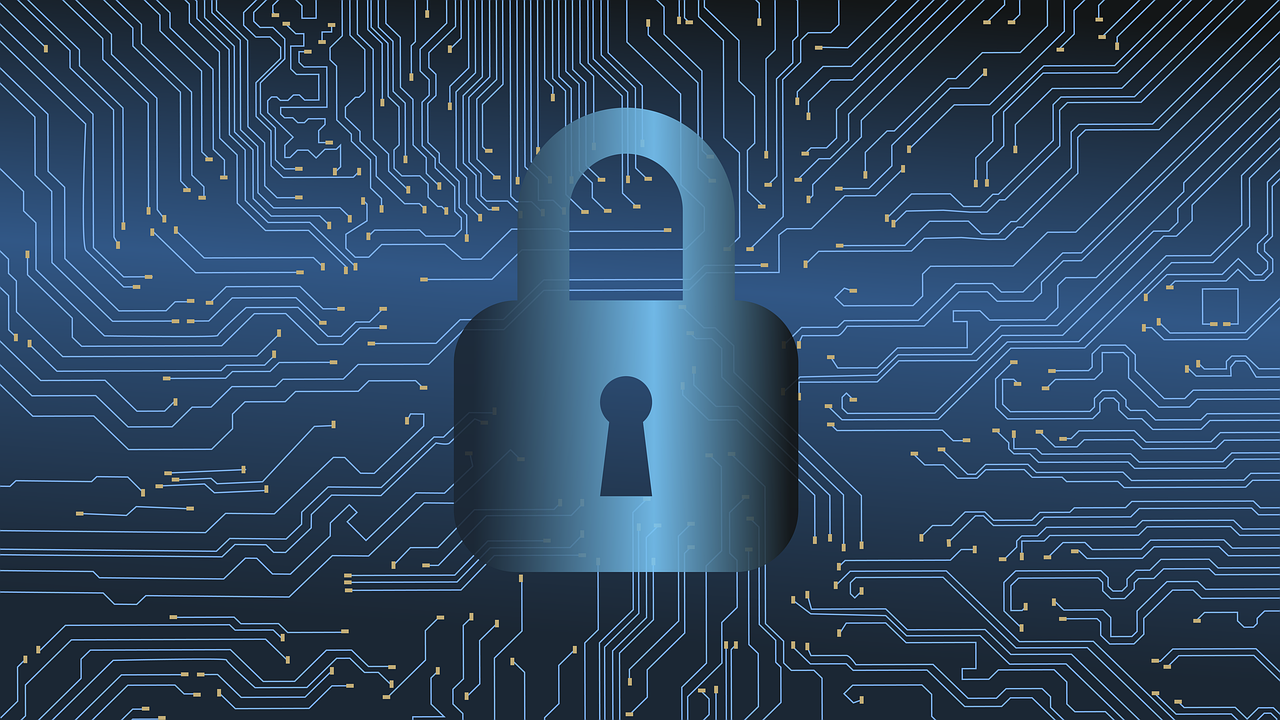
Key strategies to protect your online business data: data center security, regular updates, strong passwords, employee training, data backups, and secure networking.
In today’s digital age, businesses have moved from traditional brick-and-mortar models to online platforms to stay competitive and reach a wider audience. Due to the rise of e-commerce and remote working, keeping your business data secured is more critical than ever before. From customer information to financial records, companies hold a wealth of sensitive data that can be targeted by cybercriminals.
As an entrepreneur or small business owner, it is imperative to prioritize the security of your online business data to safeguard your customers’ trust and the success and sustainability of your company. Let’s dive into these essential strategies that will keep your valuable information safe and sound in today’s fast-paced technological landscape.
Be Safe with Data Center Security
If you are dealing with large amounts of data, chances are you are storing them in a data center. These facilities offer a safe and secure way to store data while allowing easy access whenever you need it. However, with the rising threat of cyber attacks, it’s essential to ensure you know everything there is about data center security measures to make sure your data remains safe. Physical security includes strict access control measures, surveillance cameras, and environmental controls to prevent disasters such as fire or floods. Cybersecurity measures, on the other hand, involve using sophisticated cybersecurity tools to detect and prevent external threats such as hacks and malware. As you entrust your valuable data to your data center, make sure it has stringent security measures to protect against any potential threats.
Regularly Update Software and Systems
It’s vital to keep software and systems up-to-date as a fundamental defense against vulnerabilities. Hackers continuously seek out security flaws in outdated systems, which they can exploit to gain unauthorized access to sensitive data. Regular updates usually contain patches that fix these weaknesses.
Implementing a scheduled maintenance plan for updating your operating systems, applications, and any security software is key. It’s a proactive step that enhances your digital security posture and optimizes system performance, ensuring your business operations run smoothly without unnecessary interruptions due to security breaches or system failures. Empower your IT team to maintain a robust update schedule, and consider automated solutions to ensure timely installations.
Use Strong Passwords and Multi-Factor Authentication
One of the most effective ways to safeguard your online accounts is by implementing strong, unique passwords. Avoid using easily guessable passwords like birth dates, pet names, or common phrases. Instead, create a password that includes a mix of upper and lower case letters, numbers, and special characters.
To add an extra layer of security, enable multi-factor authentication (MFA) wherever possible. MFA requires a user to provide an additional form of identification, such as a fingerprint or verification code, alongside their password to access an account. If you combine strong passwords with MFA, you can significantly reduce the risk of a cyber attack and keep your sensitive information safe.
Educate Your Team About Cybersecurity
Small businesses are especially vulnerable to attacks due to lack of awareness and resources. To prevent cyber attacks, equip your team with the knowledge and tools they need to recognize potential threats. Conduct regular training sessions on cybersecurity best practices, such as identifying phishing scams and securing personal devices used for work.
Moreover, establish protocols for handling sensitive data within the company. This could include guidelines for sharing sensitive information with third parties, as well as properly disposing of physical documents and electronic devices that contain confidential data.
Backup Your Data
The importance of backing up your data cannot be stressed enough. In case of a cyber-attack or system failure, having backups ensures that you can restore your data and continue operations without significant losses. Consider backing up your data both on-site and in the cloud to have redundancy if one backup fails.
Regularly test your backups to ensure they are functioning correctly and update them as needed. This practice will protect you from cyber attacks but, most importantly, provide peace of mind in case of any unforeseen events. That said, you must have a disaster recovery plan in place to mitigate potential data loss and minimize downtime.
Secure Your Network
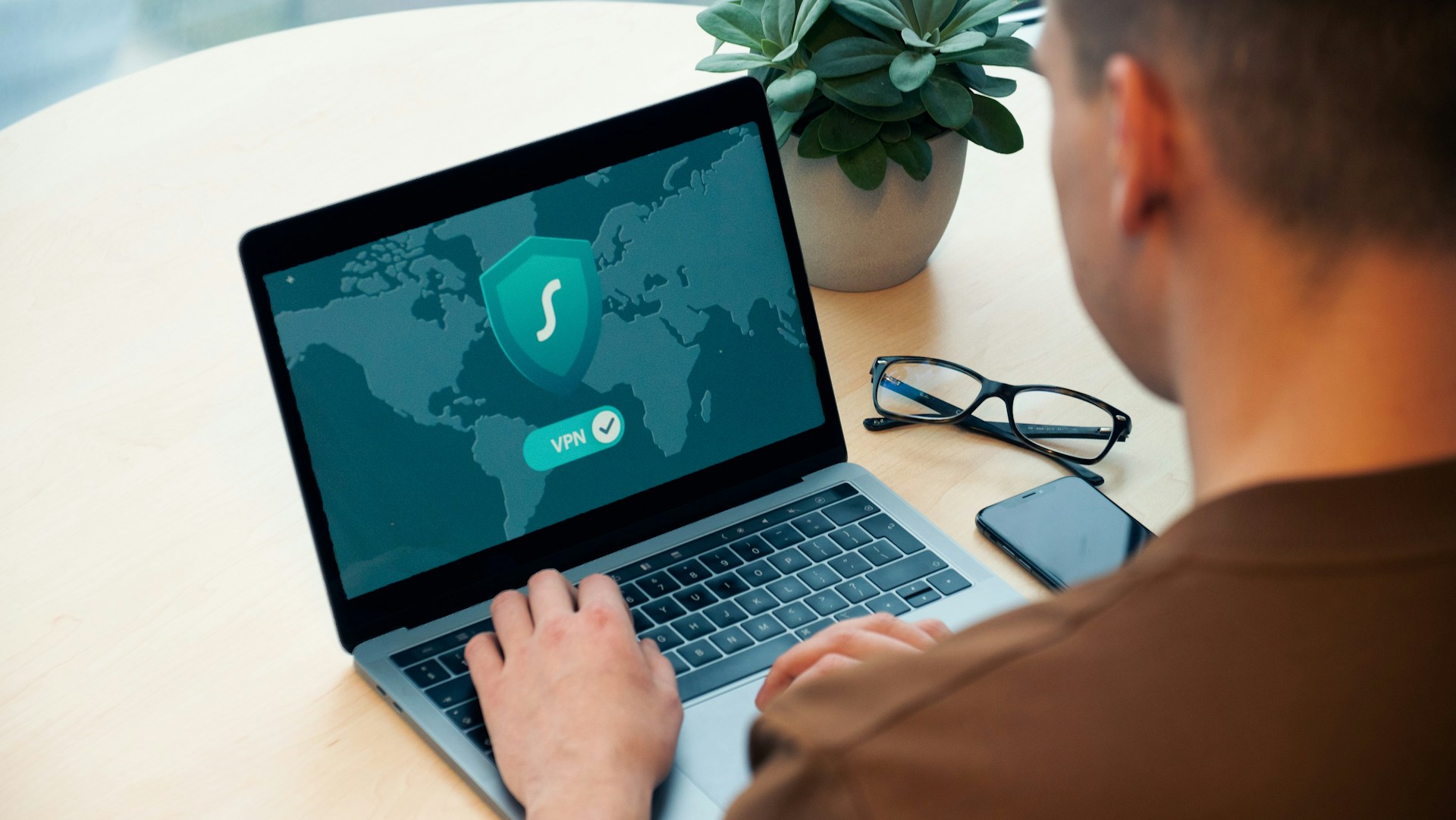
Securing your network is crucial, especially if you have remote workers accessing sensitive data. A virtual private network (VPN) provides a secure connection for employees working remotely and encrypts any data transmitted to and from the company’s servers. It also restricts access only to authorized users, preventing unauthorized individuals from gaining access to confidential information.
Even consider using firewalls in your network to filter out suspicious traffic and block potential threats. Firewalls act as a gatekeepers between your network and the outside world, preventing unauthorized access from potential attackers. And when it comes to securing your Wi-Fi connections, there’s no better tool than the WPA3 security protocol. Designed to replace the outdated WPA2 protocol, WPA3 offers stronger encryption and more robust protections against hacking attempts.
Securing your online business data encompasses a multifaceted approach that incorporates technological solutions, employee education, and rigorous security protocols. By committing to these strategies, you create a robust barrier against cyber threats.
The goal is to protect sensitive information and maintain the trust of your customers and the integrity of your business. Remaining vigilant and adaptable in the face of evolving cyber risks will ensure that your online business thrives in a secure and stable digital environment.
Was this news helpful?
 Yes, great stuff!
 I’m not sure
 No, doesn’t relate