

Why Your Online Store Products Are Not Ranking and How SEO Can Help

Why Your Online Store Products Are Not Ranking and How SEO Can Help
Search for a product type, and you’ll find hundreds of results. The e-Commerce marketplace is getting competitive by the second, and to stay on top is the real struggle. In such cutthroat competition, products and brands often lose their identity. Amidst multiple similar products and brand names, they do not get ranked on top. To resolve the issue, many eCommerce platforms turn to experienced full-service marketing agencies like WebOracle. Considering its effectiveness, eCommerce platforms heavily depend on SEO services today.
8 Mistakes That Are Keeping Your Products From Ranking High
The easier it is to conceive a brand idea and set it up fully, the harder it is to beat the barrier to entry. With uncountable eCommerce platforms in the market, it is difficult to set your footing. Even after trying, if your brand is not getting recognised, you need SEO for eCommerce stores. SEO can effectively increase your brand’s online presence and reachability.
Have a look at some mistakes that might be affecting your product’s ranking.
Basic Product Descriptions
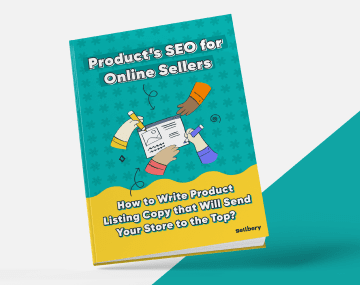
One of the biggest mistakes people make is that they try to take shortcuts and don’t put effort into creating unique product descriptions. Having basic and mainstream product descriptions makes your product look mundane, and Google is less likely to rank it. Search for the necessary information about the product once you’ve decided which product to sell online.
Try this: If your product is a face serum, write “Organic face serum for sensitive skin” instead of just calling it “face serum”.
No Blog Section
Blog sections on a website are a must for better rankings. Producing high-quality content for the readers and displaying it through blogs works wonders. Also, Google rankings run on smart content marketing and backlink mapping.
Try this: If you sell skincare products, write blogs like “5 Simple Steps to Build a Daily Skincare Routine for Dry Skin”. Now, link the products you sell inside the blog.
Poor Backlink Strategy
Backlinks are the most important and effective strategy to work on for better visibility. Targeting high-volume backlinks with the help of a guest posting service and online reviews slowly increases your product’s credibility and visibility. A well-planned backlink strategy increases leads and ultimately drives sales.
Try this: Contact a blogger in your niche and request that they review your product. Also, check if they’ll link to your site.
Your Site Speed is Slow
Many brands forget about the website speed. Any user who has to wait for a page to open will eventually leave. Having a slow website speed is a major hurdle to increasing website rankings. eCommerce product pages tend to be slow because they are bulky. However, you can resolve the issue with expert assistance and multiple strategies.
Try this: Compress product images before loading to boost the site speed and get visitors to stay and explore your site.
No Meta-Descriptions
Skipping metadata for your product page is a common mistake. Metadata is an important element, especially when used in meta descriptions or image meta tags. The first thing that catches the reader’s attention is a meta description that tells the viewer what the blue link is all about.
Focus on adding unique meta descriptions for both product pages and categories/collections, and write clear text to precisely tell people what they are looking at or what they can expect. It is a good idea to include the main keyword here.
Try this: Write something like this if you sell skincare products: “Organic anti-ageing face serum; hydrating and safe for your skin.
Not Reaching the Target Audience
Being an eCommerce platform means reaching the target audience effectively. Without marketing or any professional help, you might not even reach the right audience. This makes you lose potential customers who actually would be interested in your product. This ultimately leads to a poor user experience and a worse bounce rate. Reducing the bounce rate, which refers to the number or percentage of people who leave without doing anything or taking any action on your website, requires a careful strategy. Use targeted keywords, social media posts, email campaigns, and other relevant tactics to reach your target audience (people who are likely to take action).
Try this: To reach the target audience, write what you sell. So, if the skincare products are vegan, say “vegan skincare for sensitive skin”.
Unsatisfactory User Experience
Having a website that has a poor structure and is hard to navigate affects your website’s position in the market. How your website performs decides the user experience. The better it is, the more prospects you acquire. If you’re not giving much thought to your website’s look and feel, it definitely leads to an unsatisfactory user experience.
Try this: If you sell apparel, add filters like price, size, category, etc., so users can quickly filter what they need and load their carts.
No Progress Tracking
If you don’t closely track the SEO progress of your website, you might not really be able to find out whether your strategies are working. There are various tools to check traffic, rankings, conversions, etc., and you should use them to keep moving forward. Taking notes and tracking what’s really happening at the backend will give you a better picture of what’s working for you and what’s not. From checking Google rankings to organic traffic, keep a check on everything that matters.
Try this: Google Analytics and Google Search Console can give you comprehensive information about your website to help you make decisions.
Get in the Game With Impactful SEO for eCommerce Stores
Don’t lose hope if your product is not coming up in results. Slowly but surely, the right strategy will show the expected results. With the help of SEO experts, you get to implement effective strategies and gain ample rankings and traffic.
Was this news helpful?
 Yes, great stuff!
 I’m not sure
 No, doesn’t relate