



What Makes Finding the Perfect Office So Difficult? Common Obstacles for Businesses

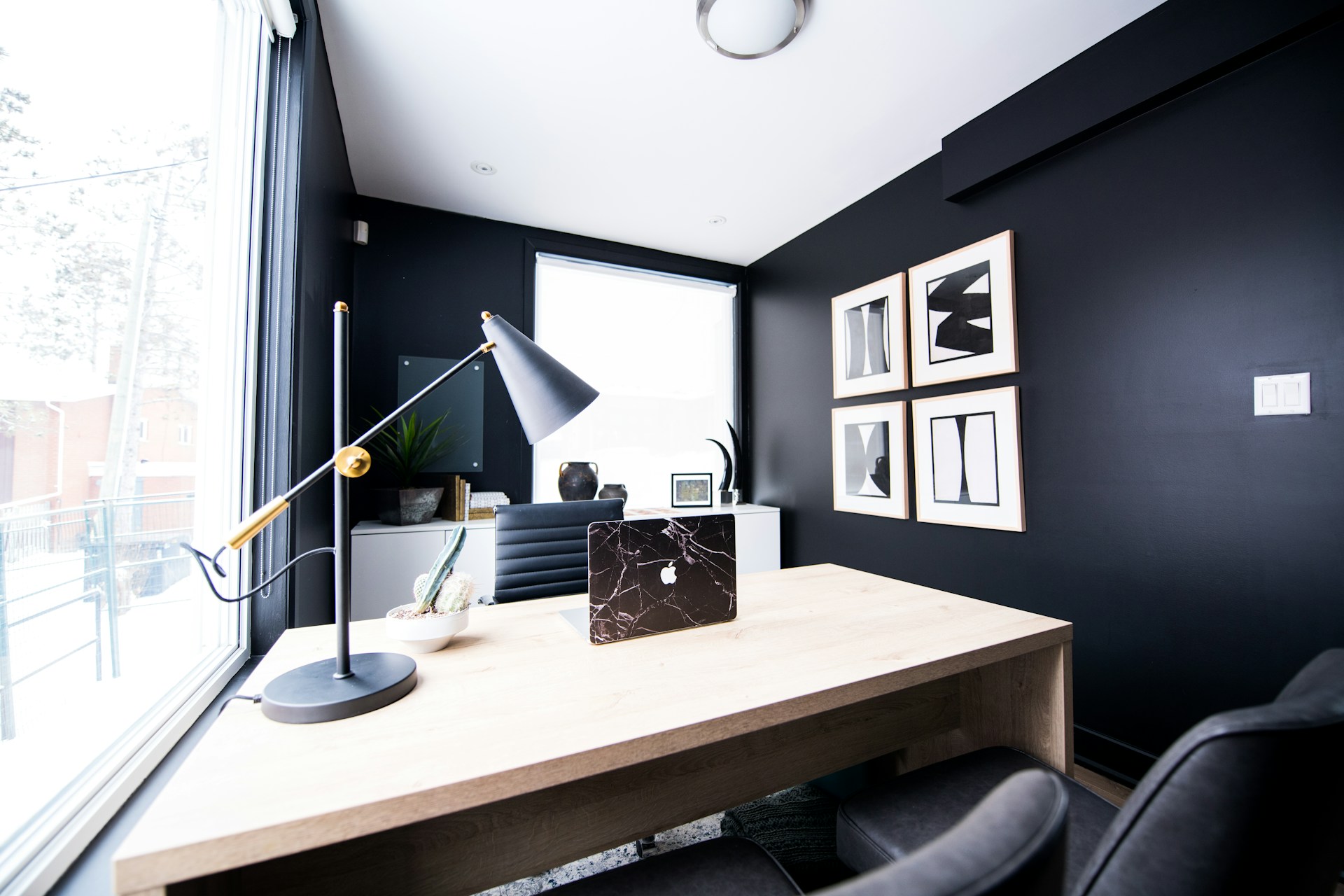
Explore common obstacles in finding the ideal office space, like budget constraints, location challenges, and tech requirements, to make informed decisions.
Finding the perfect office space sounds simple – just pick a place, sign the lease, and move in, right? Not quite. What starts as a straightforward real estate task quickly turns into a tangled web of choices, compromises, and unexpected costs. Between budgets, locations, leases, amenities, and trying to please both clients and employees, the process can feel like solving a jigsaw puzzle with a few missing pieces.
Here’s a closer look at some of the biggest headaches businesses run into when trying to find their ideal office space:
Walking the Budget Tightrope
Let’s be real – when it comes to finding office space, cost is the first (and biggest) hurdle. Office rent eats up a huge chunk of the budget, and prices vary dramatically depending on where you’re looking:
- London’s West End: Around £130 per square foot (Q3 2024)
- Midtown Manhattan: Averaging $85 per square foot (early 2024)
- Austin, TX: Class A spaces go for about $66.20/sq ft, while Class B sits closer to $29.90
And that’s just the rent. You’ll also need to factor in:
- Maintenance fees (which can be 15–20% of your base rent)
- Utilities, insurance, and cleaning costs
- Furniture and tech setup
- Renovations or custom fit-outs
It quickly becomes a game of ‘what can we afford vs. what do we need,’ with no easy answers.
Location, Location, Location… But Which One?
It used to be that a great location was everything. These days, it’s a bit more complicated.
- Employee commutes matter. A study found that adding just 20 extra minutes to a daily commute can hurt job satisfaction as much as a 19% pay cut. Ouch – work-life balance matters more than ever
- Client perception still counts. A flashy address can impress – but if nobody’s visiting the office anymore, is it really worth the price tag?
- Where’s the talent? City centers might attract young professionals, while suburban spaces could appeal more to employees with families
Hybrid work has turned everything on its head. Some companies now choose smaller offices in multiple locations (“hub and spoke” models) instead of one big headquarters.
Flexibility: A Double-Edged Sword
Long-term leases (often 5 to 10 years) make sense for some businesses – but they can be a nightmare for others. What if your team doubles in size? Or if half your staff goes remote? You’re stuck.
On the flip side, coworking spaces offer way more flexibility (usually month-to-month), but they tend to cost more per square foot and don’t offer much in the way of branding or customization.
| Factor | Traditional Lease | Coworking Space |
| Commitment | 5-10 years | Month-to-month |
| Cost per SF | Lower | 20-40% higher |
| Customization | Full control | Limited options |
| Scalability | Tricky | Easy |
| Brand Identity | Strong | Meh |
Still, demand for flexible spaces jumped 13% in early 2024 compared to the year before. Businesses are clearly craving options.
The Perks Problem: Keeping Up with Employee Expectations
Today’s workers want more than just a desk and a coffee pot. They’re looking for:
- Wellness rooms and on-site gyms
- Cafes or food trucks (vending machines are out)
- Pet-friendly policies
- Bike storage and showers
- Outdoor spaces to relax
Landlords are adding these perks – but the cost often gets passed down to tenants. Premium office buildings with all the bells and whistles can cost 15-30% more.
And here’s the kicker: many of these fancy extras go unused. That rooftop garden might be gorgeous, but if no one ever uses it, was it worth the premium?
Looks Great – But Does the Tech Work?

A stunning space doesn’t mean much if the Wi-Fi drops during every Zoom call. Today’s offices need to be tech-ready from day one.
- Internet: Most companies now need at least 100 Mbps per person
- Power: Can the space handle dozens of laptops and chargers?
- Smart tech: Think automated lighting, good HVAC, and AV gear that doesn’t glitch mid-meeting
Older buildings might need upgrades, but retrofitting for energy efficiency can often be done for less than $20/sq ft—which could pay off long term.
The Legal Maze: Leases, Zoning, and Fine Print
Commercial leases are full of fine print – and hidden traps. Some common ones to watch for:
- Triple Net (NNN): You pay rent and property taxes, insurance, and maintenance
- Use restrictions: You may not be able to use the space the way you planned
- Escalation clauses: Automatic rent increases every year
- Personal guarantees: You (personally) may be on the hook if things go south
Oh, and don’t forget zoning laws – some spaces won’t legally allow your type of business. Always get a lawyer to read the fine print before signing.
Does It Feel Right? The ‘Vibe Check’
It’s easy to overlook, but office culture and vibe matter more than most people think.
- A slick corporate tower might feel stifling for a creative team
- A casual loft could feel unprofessional for law or finance firms
- Open-plan offices vs. private offices – still a hot debate
Many available office spaces were designed pre-pandemic and just don’t fit modern work styles. Renovating is expensive, but settling for the wrong space can kill morale.
How Much Space Do You Actually Need?
Thanks to hybrid work, figuring out how much space to lease has become a guessing game.
- Too small: It’s chaos when everyone shows up on the same day
- Too big: You’re paying for empty chairs and empty square footage
Some companies are now using ‘hoteling’ – employees book desks when they need them – but that requires planning, and sometimes pricey software.
And speaking of pricey: the average cost to build out a mid-range office is $170–$196 per square foot.
Sneaky Costs That Add Up Fast
Even when rent seems reasonable, other expenses can blow up your budget:
- Fit-out and renovation
- Moving costs
- New furniture and tech
- Cleaning and maintenance
- Security systems
These extras can tack on 30-50% more to your base rent. Always read the fine print (and your budget spreadsheet) twice.
Timing is Everything – And the Market Keeps Changing
Real estate doesn’t move fast, but business needs sure do. And with today’s volatility, predicting the future is tough:
- Some cities (like San Francisco) have record-high office vacancy rates – over 30%
- Others (like Miami and Austin) are seeing skyrocketing demand
- Interest rates are fluctuating
- Return-to-office trends are still evolving
A lease that feels like a win today might become a burden a year from now.
So, What Can You Do?
There’s no such thing as a perfect office, but you can make smarter choices by:
- Being crystal clear on what you must have vs. what would be nice to have
- Budgeting for the not-so-obvious costs
- Negotiating flexibility wherever possible
- Prioritizing employee experience and well-being
- Getting expert help – brokers, lawyers, and designers are worth their weight in gold
In today’s world, where your workspace is tied directly to your company’s culture and ability to attract talent, the office you choose can make a massive difference. So don’t rush. Plan well, stay realistic, and aim for a space that truly supports the way your team works best.
Was this news helpful?
 Yes, great stuff!
 I’m not sure
 No, doesn’t relate