



What is Generative Engine Optimization and How Does it Differ from Traditional SEO?

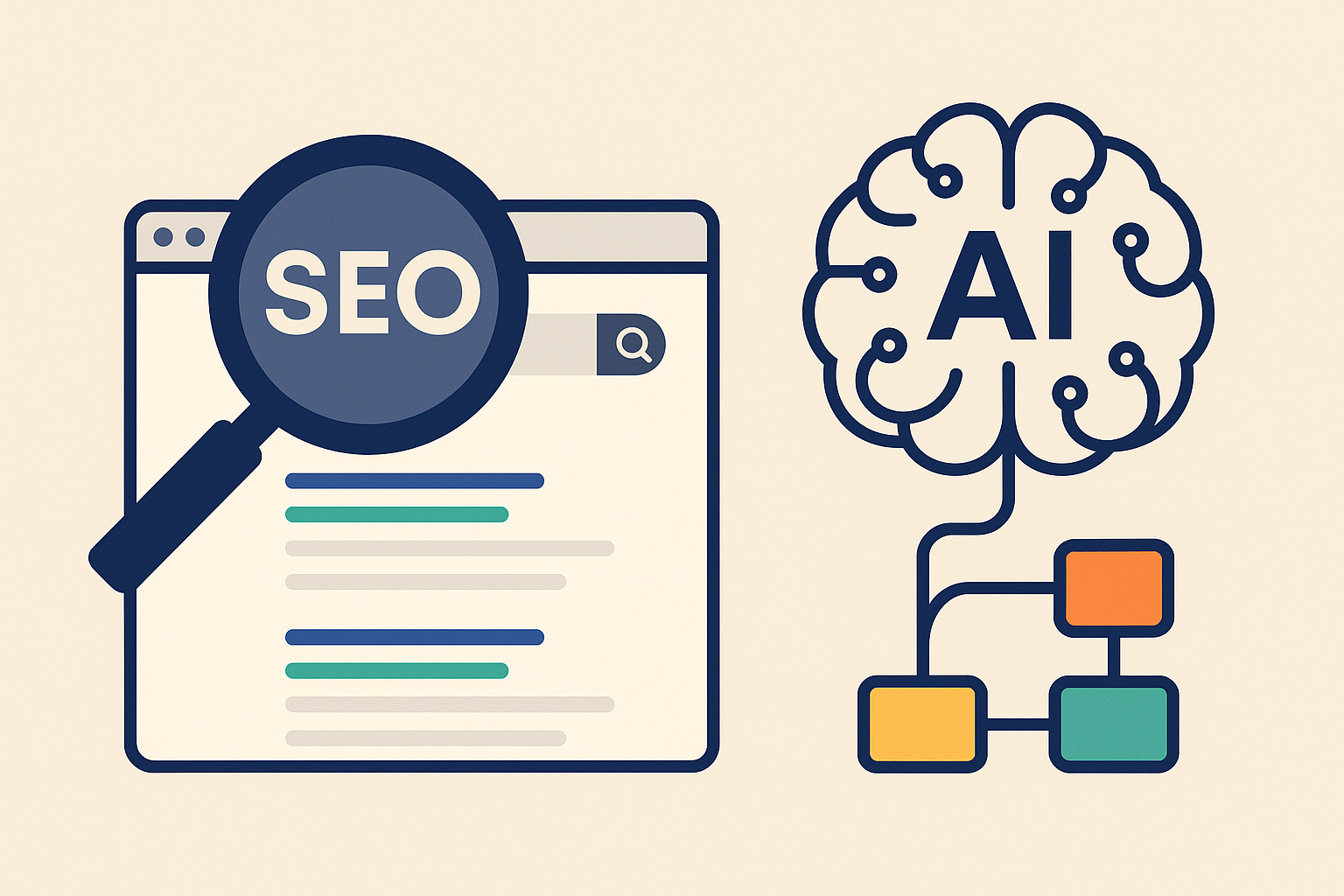
Explore Generative Engine Optimization (GEO) to gain visibility in AI-generated responses, complementing traditional SEO for future-proofing content.
As AI-powered tools like Google’s Search Generative Experience (SGE), ChatGPT, and Perplexity reshape how users interact with online content, traditional search behavior is being redefined. Instead of browsing through lists of blue links, users now receive synthesized answers directly from large language models. For digital marketers, this shift raises new challenges: How do you appear in AI-generated responses? What strategies work in a system where ranking is replaced by relevance and clarity?
This is where Generative Engine Optimization (GEO) enters the conversation. GEO is an emerging approach that focuses on helping content appear in the outputs of generative engines. While traditional SEO aims to rank in search engine results pages, GEO targets visibility in AI-driven answers. Some agencies, like Ignite Visibility, are already exploring AI search optimization as a service to help brands adapt to this new search landscape.
Key Takeaways
- GEO helps content appear in AI-generated responses, not just traditional search results.
- It prioritizes structured, factual, and concise information that LLMs can easily interpret.
- GEO is not a replacement for SEO—but a complementary strategy for future-proofing visibility.
Understanding the Shift from SEO to GEO
Traditional SEO strategies revolve around optimizing for keywords, backlinks, and metadata to rank highly in indexed search results. However, generative engines don’t necessarily display ranked listings. Instead, they generate direct answers by synthesizing information from multiple web sources using language models.
This means marketers can no longer rely solely on ranking factors. GEO focuses on increasing the likelihood that your content will be selected as a source when AI tools generate their responses. It’s not about ranking first—it’s about being reference-worthy.
How GEO Differs from Traditional SEO
While SEO still values long-form content optimized for keywords, GEO encourages information that is highly structured, concise, and easy for language models to understand. For example, clearly defined headings, short summaries, and well-organized content blocks are more likely to be parsed and reused by AI.
Moreover, generative engines often prioritize content from authoritative, trustworthy sites. This shifts emphasis toward publishing content that offers not just answers, but context, expertise, and insight—something that AI systems value when forming complete and accurate responses.
The Role of Structured Content and Language Precision
GEO places a strong emphasis on clarity and structure. Because generative engines synthesize content rather than index and rank it, the way your content is presented matters more than ever. Pages with FAQ sections, bullet-point takeaways, summaries, and proper semantic HTML are easier for LLMs to process.
In addition, content needs to be written in a way that directly addresses user questions. Answers that are too vague, long-winded, or hidden in dense paragraphs are less likely to be selected by generative engines. Precision in language, factual accuracy, and up-to-date information all play an essential role.
Why GEO Matters for Long-Term Content Strategy
As user behavior continues to shift toward AI-assisted search, relying on traditional SEO alone may lead to a decline in visibility. GEO is a forward-looking strategy that prepares content to perform well in both conventional SERPs and AI-generated outputs. It encourages brands to rethink how they structure their content—not just for crawlers, but for conversational engines.
GEO also reinforces the importance of demonstrating authority. Content that includes original insights, transparent sourcing, and a clear perspective is more likely to earn a place in generative answers. This is especially true in high-trust industries like healthcare, finance, and legal, where accuracy and credibility are critical.
Conclusion
Generative Engine Optimization is not just another SEO trend—it reflects a fundamental shift in how content is discovered and consumed. As AI-powered engines play a larger role in shaping user experiences, GEO provides marketers with a practical framework for staying visible. By combining traditional SEO principles with GEO tactics—like structured formatting, clear language, and authoritative sourcing—marketers can future-proof their content strategy in an AI-first digital world.
Was this news helpful?
 Yes, great stuff!
 I’m not sure
 No, doesn’t relate