



What Every Contractor Should Know About OSHA Building Safety Standards

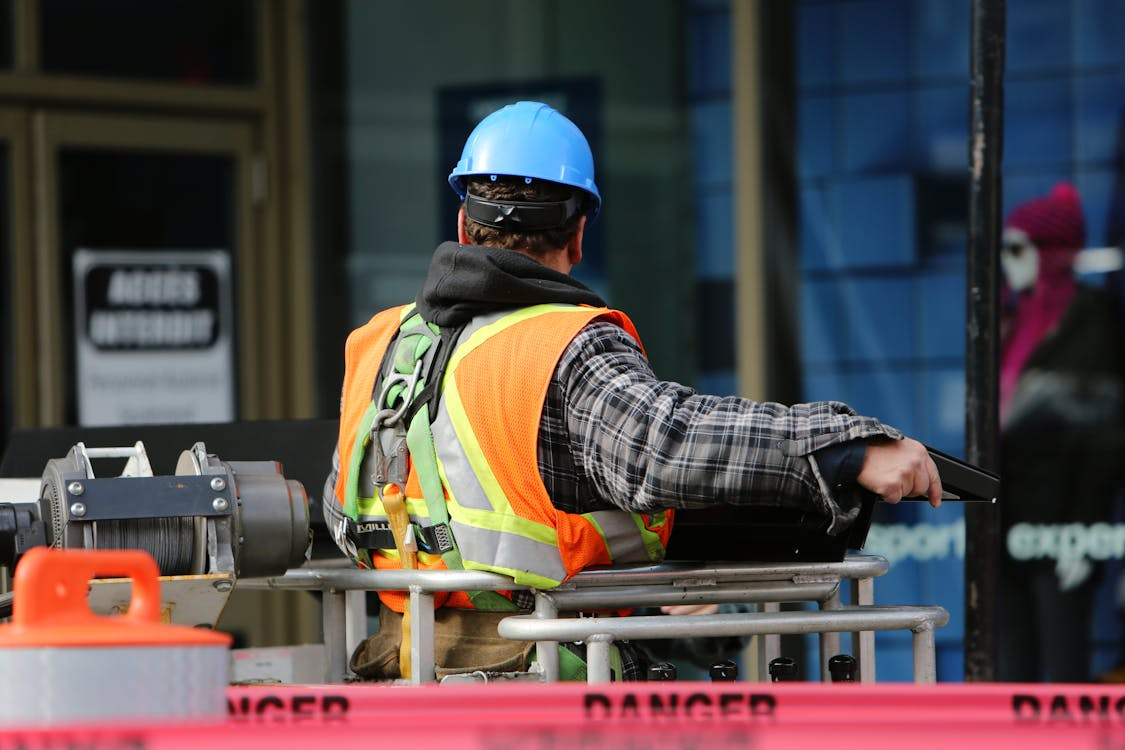
Discover what every contractor should know about OSHA building safety standards. Learn how compliance with regulations, from fall protection and PPE to emergency preparedness, can prevent accidents, reduce risks, and promote a culture of safety on construction sites.
Building safety is paramount in construction, safeguarding the workers and the clients, and the public. The Occupational Safety and Health Administration (OSHA) plays a crucial role in establishing the framework within which builders and contractors must operate to maintain safety standards. Understanding these regulations ensures compliance and promotes a culture of safety on construction sites. This article delves into the important aspects of OSHA building safety standards that every contractor should be aware of to mitigate risks and enhance operational efficiency. Adhering to these standards prevents workplace accidents and reduces costly project delays and legal liabilities. By fostering a proactive safety culture, contractors can build trust with clients and demonstrate their commitment to excellence in every project.
Understanding OSHA’s Role and Standards
OSHA was established in 1970 with the primary goal of ensuring safe and healthy working conditions for workers. The organization sets and enforces standards and provides training, outreach, education, and assistance. One fundamental aspect of OSHA’s role is to develop regulations that address various workplace hazards, which is critical in the construction industry. Contractors must be well-versed in OSHA standards to protect their workforce and comply with legal requirements.
These guidelines cover a range of topics such as fall protection, equipment safety, and proper handling of hazardous materials. The standards are not static. They evolve in response to advancements in technology and changes in workplace practices. Contractors must make sure that the safety of their worksite cover is in compliance with Cal OSHA, leading to safer conditions for employees and greater project efficiency. Failing to do so can lead to severe penalties, including fines and work stoppages. Employers should cultivate a safety-first mindset, reinforcing the importance of adhering to OSHA regulations among all team members.
Importance of Fall Protection
Fall protection is a critical aspect of OSHA standards, given that falls are among the leading causes of workplace injuries in construction. OSHA mandates the implementation of fall protection systems when workers are at risk of falling six feet or more in the construction industry. Employers should conduct thorough site assessments to identify potential fall hazards and establish adequate safety measures. Appropriate fall protection measures include guardrails, safety nets, and personal fall arrest systems.
Training employees on how to use these systems properly can prevent accidents and improve the safety culture on-site. Contractors must ensure that all their equipment, such as scaffolding and ladders, adheres to safety standards. Contractors must document all safety measures and regularly review their effectiveness to adapt to any emerging risks present in the working environment.
Personal Protective Equipment (PPE) Requirements
Personal protective equipment is indispensable in construction environments where workers face various hazards. OSHA has set forth specific regulations outlining the required types of PPE, including helmets, gloves, eye protection, and respiratory equipment. Because construction workers may be exposed to dust, fumes, silica, chemicals, and other airborne hazards, contractors should make sure any required respiratory equipment is properly selected, fitted, and used according to the conditions of the job site. Fit, comfort, and correct usage are just as important as availability, since poorly fitted protection can leave workers exposed even when PPE is technically provided. Each project may dictate different PPE needs based on identified risks, and contractors must conduct a hazard assessment to determine the appropriate protective measures. Educating employees on the importance of wearing PPE correctly can significantly reduce the likelihood of injuries.
The clear communication of PPE protocols helps in fostering a culture of safety where workers feel responsible for their safety and the safety of their colleagues. Contractors should establish a system for the regular inspection and maintenance of PPE to ensure it remains effective and functional. Innovative materials and technologies are emerging in PPE design, enhancing safety for workers. Keeping current with these advancements is part of being a responsible contractor, ensuring that employees are equipped with the best possible resources to protect themselves.
Hazard Communication Standards
A thorough understanding of hazardous materials is crucial for every contractor, as exposure can lead to significant health risks for workers. OSHA’s Hazard Communication Standard (HCS) requires that all employers make information regarding hazardous chemicals present in the workplace readily available to their employees. This includes comprehensive safety data sheets (SDS) for each chemical and proper labeling of hazardous material containers. Training employees on hazard communication is vital in ensuring they understand the risks involved and know how to respond in case of exposure.
This can extend to the development of a written hazard communication program that outlines procedures for handling, storing, and disposing of hazardous materials. Engaging employees in safety discussions promotes awareness and accountability when working with hazardous substances. Contractors must stay proactive by reviewing and updating their hazard communication protocols regularly. Failure to comply can lead to severe fines and potentially dangerous work environments.
Scaffold Safety Regulations
Scaffolding is a necessary component on many construction sites, providing vital support and access to various heights, and it poses several safety risks. OSHA has outlined comprehensive regulations regarding scaffold usage to ensure the safety of workers. These regulations cover various aspects, including scaffold design, capacity, and use by trained personnel. Every contractor should conduct regular inspections of scaffold structures to identify and rectify potential hazards.
Proper training for employees on scaffold usage, including load limits and assembly processes, is important to prevent accidents. Regular meetings focused on scaffold safety can reinforce the importance of adhering to these regulations, elevating the site’s safety standards. Understanding and implementing scaffold safety protocols enhances worker safety and adds to a contractor’s reputation. Failing to adhere to scaffold regulations can result in costly accidents and project delays, affecting productivity and profitability.
Electrical Safety Measures
Electrical safety is another key area addressed by OSHA standards. Construction sites often involve various electrical hazards, including live wires, improperly grounded tools, and overloaded circuits. Contractors must implement rigorous safety measures to mitigate these risks. This includes ensuring proper grounding of tools and equipment and following lockout/tagout procedures during maintenance. Regular inspections of electrical installations can identify and rectify potential hazards before they cause injuries.
Providing training to workers on electrical safety protocols further empowers them to deal with hazardous situations effectively. Creating awareness about the symptoms of electrical hazards, such as flickering lights or unusual sounds from equipment, can prompt quick action and prevent accidents. Incorporating electrical safety into daily routines can create a safer working environment and foster confidence among employees. Adhering to OSHA standards in this area contributes significantly to the safety culture within an organization.
Recordkeeping and Reporting Requirements
Compliance with OSHA regulations extends beyond the workplace; it includes thorough documentation and recordkeeping. Contractors are required to maintain accurate records of workplace injuries and illnesses, training, and safety inspections. This information is important for identifying trends, improving safety protocols, and demonstrating compliance during inspections. Accurate recordkeeping helps to improve accountability among workers. By keeping a detailed log of incidents and near-misses, contractors can initiate discussions aimed at addressing potential risks.
Understanding common causes of injuries can help contractors implement preventive measures and reduce the likelihood of future incidents. Contractors must familiarize themselves withthe reporting requirements associated with severe incidents. Timely notification helps ensure that investigations can take place and proper actions are taken to mitigate further risks. A strong emphasis on recordkeeping aligns with OSHA’s commitment to promoting workplace safety.
Importance of Training and Education
Training and education are pivotal in upholding OSHA standards on construction sites. OSHA requires that employers provide proper training on worker safety and health to ensure workers understand the hazards associated with their jobs. Through regular training sessions, employees can become familiar with safety protocols, equipment, and hazards, which empowers them to work securely. Beyond initial training, ongoing education is vital as it addresses new regulations and updates.
Contractors should consider implementing refresher courses to keep safety protocols fresh in workers’ minds. Engaging workers in safety meetings can promote a collective effort toward a safer work environment, allowing workers to share experiences and solutions. Establishing a comprehensive training program highlights a contractor’s commitment to safety, which can enhance employee morale and loyalty. The investment in ongoing education pays off through reduced accidents and higher productivity on job sites.
Emergency Preparedness and Response
Establishing an effective emergency preparedness plan is crucial for every construction site. Workers must be aware of procedures to follow in case of emergencies such as fires, accidents, or natural disasters. OSHA outlines the necessary framework for developing these emergency plans, emphasizing the importance of drills and training. A well-prepared workforce is better equipped to react quickly and efficiently during crises, reducing the risk of injury or harm.
Training sessions should cover evacuation plans and emergency contact information related to local emergency services. Involving workers in the development of emergency procedures fosters a culture of collaboration and accountability. Ensuring that emergency equipment is accessible and functional adds a layer of security. Routine inspections of emergency lighting, first aid kits, and alarms can ensure that these resources are ready for immediate use when the need arises. Regular reviews and updates of the emergency plan help keep safety measures aligned with changing site conditions and regulations. By prioritizing preparedness, construction teams can maintain a safer, more resilient work environment even in the face of unexpected events.
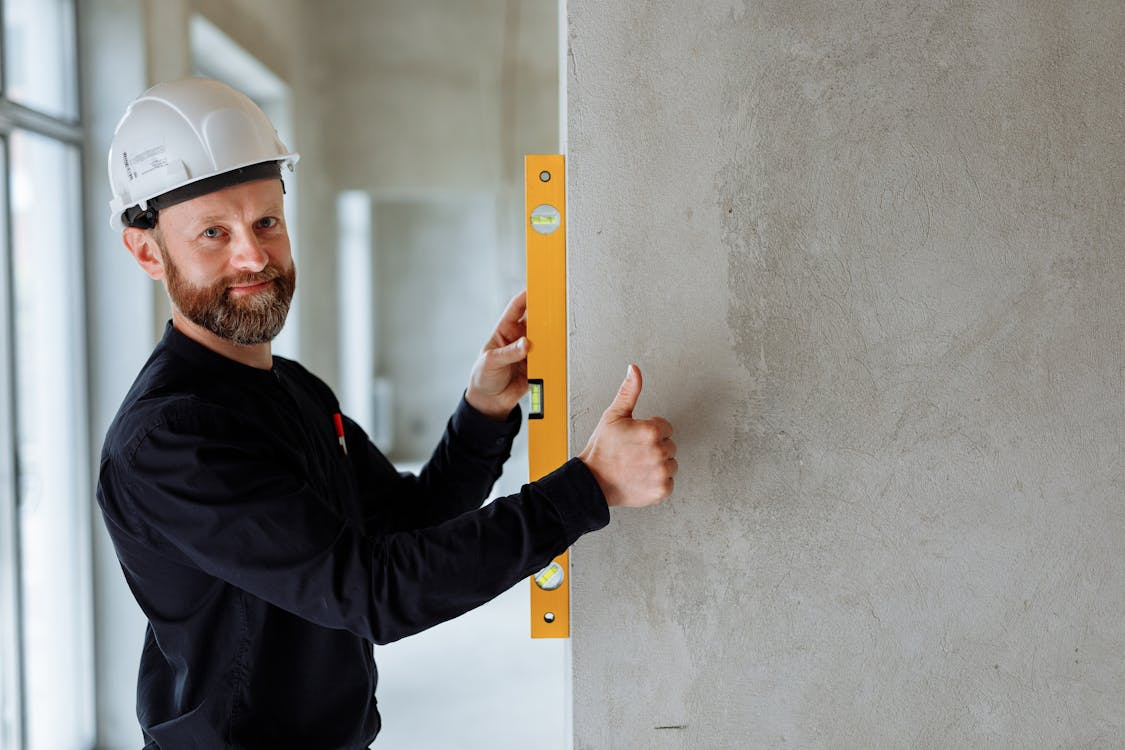
Understanding OSHA building safety standards is important for compliance and contributes significantly to the well-being of construction workers. From fall protection to emergency preparedness, each aspect of safety interlinks to foster a safer working environment. By prioritizing training, documentation, and proactive measures, contractors can mitigate risks and enhance productivity. A commitment to safety ensures that projects progress smoothly, benefiting all stakeholders involved.
Was this news helpful?
 Yes, great stuff!
 I’m not sure
 No, doesn’t relate