

Online Selling for Beginners: First Steps to Success


Online Selling for Beginners: First Steps to Success
Opening your own shop is an exciting way to earn extra cash. You can reach customers all over the world from your living room. The process seems scary at first – but breaking it down makes it manageable.
You just need the right steps to build a solid foundation for your brand. Many people find success by starting small. Learning the ropes takes time but pays off in the end.
Choosing Your Product Niche
Picking a niche helps you stand out from the massive digital stores. You should look for items that solve a specific problem for your neighbors or friends. This strategy makes it easier to find your first few buyers quickly.
Starting a shop from your kitchen table is a popular choice for many people. This allows you to keep your costs low as you learn how to sell. You can use this extra money to buy better tools later.
Researching what people want to buy is a smart way to begin. You can look at search trends to see what is currently in demand in your area. Use this data to pick products that people are looking for right now.
Growing Your Audience Presence
Social media accounts help people find your store without spending much money on ads. You should post regular updates to keep your fans interested in your new items. This keeps your brand at the top of their minds.
Building a strong community requires consistent interaction with your followers. Getting real likes, comments, and followers with the help of experts at Social Guys can improve your visibility. This approach makes your profile look more active to new visitors.
Interaction creates trust between you and your potential buyers. People feel better about purchasing when they see a busy page with plenty of activity. This social proof is a powerful tool for any new shop owner.
Understanding Global Market Growth
More people shop online today than ever before in history. This shift creates a massive opportunity for anyone with a good idea and a laptop. You can reach people in different countries with just a few clicks.
Recent data from a European statistics office shows that online shopping among internet users rose from 62% to 78% over the last decade. This trend proves that digital markets are still expanding into new areas. People enjoy the convenience of buying from home.
You can join this wave by setting up a simple website for your brand. Getting your name out there is the primary goal for your first year in business. Focus on learning the basics before you try to expand too fast.
Exploring Business Sales Models
Selling to individual people is not the only way to grow. You might find success by selling items in bulk to other companies. This model requires a different approach to marketing and shipping.
A report from a trade agency suggests the global business-to-business market will see 14.5% growth through 2026. This indicates plenty of room for new sellers in the space. You can start by reaching out to local shops that might need your goods.
Business owners look for reliable suppliers who can deliver quality goods on time. Providing great service helps you keep these high-value clients for many years. It is a steady way to build a professional reputation.
Entering The Online Food Space
Grocery shopping used to happen only in physical stores. Now, many families prefer to order their food through an app or website. This change has opened doors for small food producers.
A study by a government agriculture department found that 1 in 5 shoppers bought groceries online in a single month. This data highlights a specific area where demand is high. You can tap into this by selling unique items that stores do not carry.
You might consider selling specialty snacks or local ingredients that have a long shelf life. These items often ship well and have a loyal following of fans. Focus on quality packaging to keep everything fresh.
Setting Up Your Digital Storefront
You need a place where people can browse your goods without any hassle. Many platforms offer easy tools to build a site in minutes. You do not need to be a tech expert to get started.
Focus on clear photos and honest descriptions of your items. Customers cannot touch the product, so they rely on your words and images to make a choice. High-quality pictures show that you are a serious seller.
Pick a design that reflects your personality and makes shopping easy for everyone.
- Simple navigation helps people find what they need.
- Clear pricing prevents confusion at checkout.
- Fast loading times keep visitors from leaving early.
Managing Your Inventory Levels
Keeping track of your stock is a daily task for successful sellers. You do not want to sell something you do not have in your warehouse. This leads to unhappy customers and bad reviews.
Software tools can help you watch your numbers automatically as sales come in. This saves you time as your business grows larger. You can spend that time making new products instead.
Start with a small amount of inventory to test the market demand. This reduces the risk of losing money on unsold items. You can always order more once you see what people like.
Shipping Your Orders Safely
Packing items correctly makes sure they arrive in one piece at the customer’s door. You should invest in sturdy boxes and plenty of bubble wrap. A damaged item costs you money and trust.
Comparing prices between different carriers can save you a lot of money. Small savings on every package add up to big profits at the end of the year. Look for business discounts through your shipping provider.
Customers love getting their items quickly and in good condition.
- Print labels at home to save time at the post office.
- Include a thank-you note to build customer loyalty.
- Offer tracking numbers so buyers can watch their package arrive.
Setting Your Profit Margins
You must charge enough to cover your costs and keep some money for yourself. Calculate your expenses, including materials, shipping, and platform fees. Knowing your numbers is a key part of staying in business.
Competitive pricing attracts buyers – yet you should not always be the cheapest option. Quality products deserve a fair price that reflects their value. People are often willing to pay more for something special.
Review your prices every few months to stay profitable as the market changes. Your costs might go up – so your prices should reflect that. Staying on top of your budget keeps your shop healthy.
Writing Great Product Descriptions
Words tell the story of your brand to every visitor who clicks on your page. Use simple language that explains exactly what the buyer gets. This prevents confusion and reduces the number of returns.
Highlight the benefits of the item instead of just the features. Tell them how the product will make their life easier or more fun. This emotional connection helps turn visitors into buyers.
Avoid using confusing jargon that might turn people away from your shop. Clear communication builds trust and leads to more sales. Be honest about what your product can do.
Handling Customer Service Requests
People will have questions before and after they buy from you. Replying fast shows that you care about their experience. This builds a good reputation that leads to repeat business.
Sometimes things go wrong with a delivery or a product quality issue. Fixing these issues politely can turn an unhappy buyer into a loyal fan. Your attitude defines how people remember your shop.
Keep a list of common questions to save time on your daily replies. This lets you give consistent answers to everyone who asks. It makes your work day much smoother.
Promoting Your Shop Online
Ads can help you reach people who do not know your brand yet. Start with a small budget of $5 or $10 a day to see what works. You can increase your spending once you find a winning ad.
Email newsletters keep your past customers coming back for more of your items. You can share news about new products or special holiday sales. It is a cheap way to stay in touch with your fans.
Networking with other sellers can provide helpful advice for your journey. Learning from people who have been there before is very useful. You can share tips and support each other as you grow.
Staying Organized As You Grow
Paperwork is part of running a business – even a digital one. Keep your receipts and records in one safe place for tax season. This prevents stress when you need to check your numbers.
Set a schedule for your work so you do not get overwhelmed by tasks. Balancing your shop with your daily life is key to avoiding burnout. Give yourself time to rest and recharge your ideas.
Celebrate your small wins as you reach new milestones in your journey. Every sale is a step toward your long-term goals. Your hard work will pay off as your shop becomes a success.
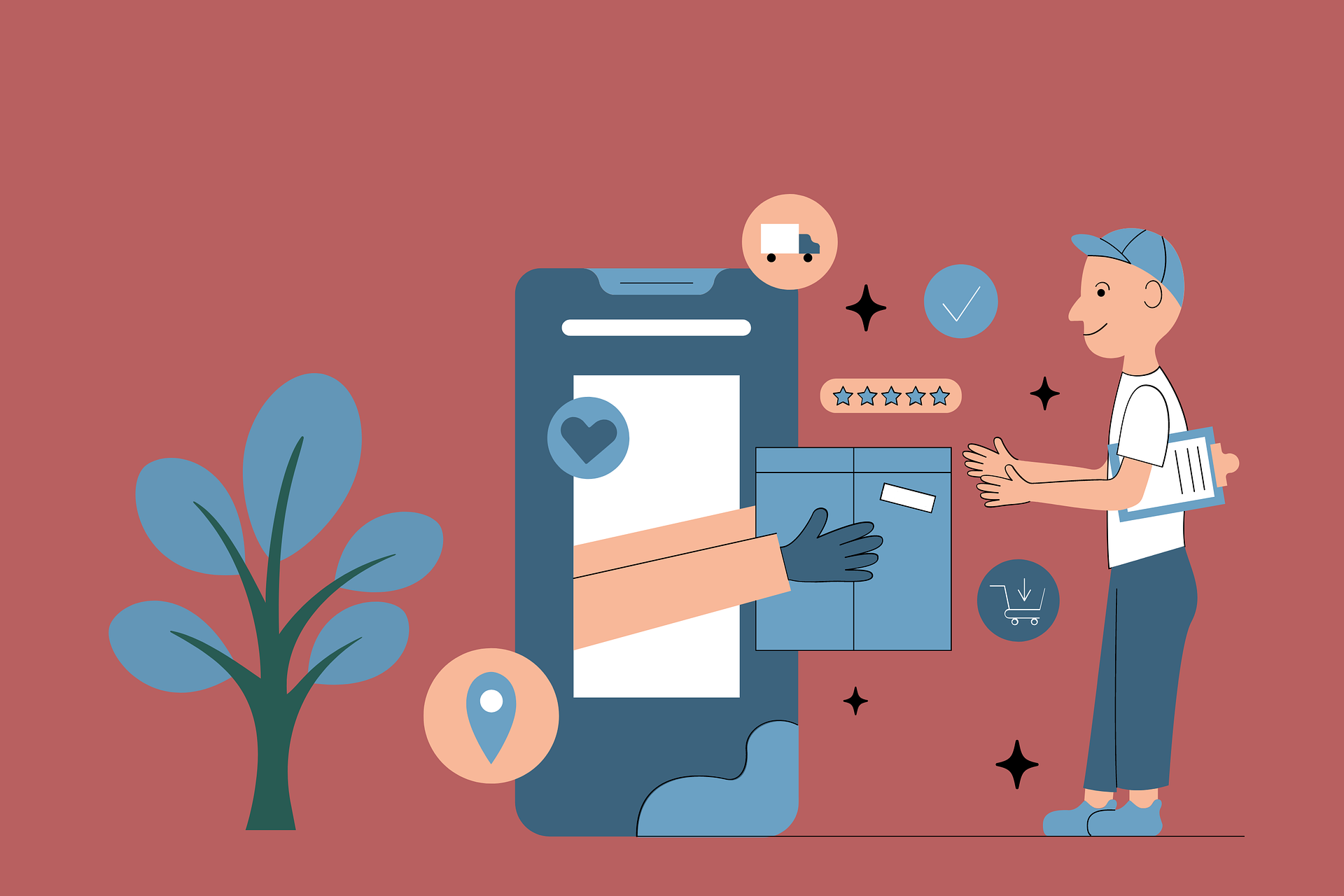
Starting an online shop is a journey that starts with a single step. You have the tools and the information to make it happen from your own home.
Stay focused on your goals and keep learning as you go. Your success is waiting for you in the digital marketplace.
Was this news helpful?
 Yes, great stuff!
 I’m not sure
 No, doesn’t relate