



How to Integrate Shipping Solutions with Your E-Commerce Platform

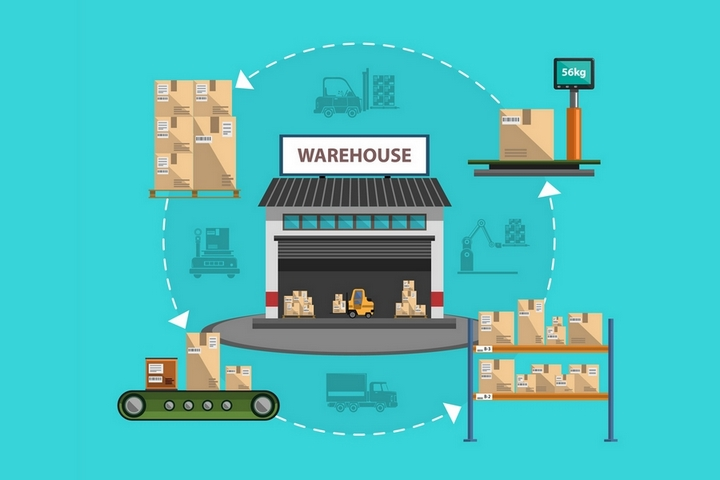
Discover how to seamlessly integrate shipping solutions into your e-commerce platform for enhanced efficiency and customer satisfaction with these expert tips.
In today’s fast-paced world of e-commerce, integrating efficient shipping solutions with your online store is very important in providing a seamless customer experience. Shipping is often one of the most significant challenges businesses face, particularly when dealing with multiple carriers, varying rates, and international logistics. Fortunately, a variety of tools exist within modern e-commerce platforms and shipping software to make the process automated and smoother. This article will walk you through some major steps that will efficiently help integrate shipping solutions into your e-commerce platform for better operation efficiency and customer satisfaction.
Selecting the Right Shipping Solution
Before diving deep into integration, the very basic step involves selecting an appropriate shipping solution for your business. Depending on the volume of your business, your features of need may range from multi-carrier support, rate comparison, tracking integration to international shipping capabilities. Start by identifying what services your business needs to offer. For example, if you ship worldwide, make sure to select a solution that supports international carriers and calculates taxes and duties. Moreover, ensure that the shipping software will work well with your current e-commerce platform, such as Shopify, WooCommerce, or BigCommerce, for an easy setup.
Leverage Shipping APIs for Seamless Integration
Using Application Programming Interfaces (APIs) has been one of the most effective ways to integrate shipping solutions into an e-commerce store. Shipping APIs can help link third-party carriers and shipping software directly to your e-commerce platform. These APIs also provide real-time rates, label generation, order tracking, and even automatic address verification. This integration minimizes manual data entry and provides your customer with the ability to see accurate costs of shipping and their delivery options before checkout. Native integrations exist within many e-commerce websites for major carriers; an API can greatly expand the options and facilitate smoothing the process.
Automate Label Generation and Order Fulfillment
When integrating shipping solutions with your e-commerce platform, automation is key. The right system will allow for the automatic creation of shipping labels and invoice packing slips, together with tracking information to you and your customer. Thus, minimizing human error and making sure orders go out on time. Automated order fulfillment will quicken the shipping process and make it more accurate, hence enhancing efficiency in the warehouse and fulfillment centers. Many shipping solutions can provide fulfillment services that automatically pull order details from your e-commerce and prepare and dispatch shipments on your behalf. This is particularly helpful for businesses in their quest to scale up as quickly as possible with reduced operational costs.
Optimize Shipping with Real-Time Tracking and Route Optimization
Real-time tracking and route optimization are some of the most valuable tools in driving shipping efficiency and customer satisfaction. Shipping solutions that provide real-time tracking allow both you and your customers to monitor the progress of each shipment. This transparency helps to reduce customer inquiries and complaints regarding delivery times. In addition to tracking, route optimization can help streamline the delivery process by selecting the fastest and most cost-effective routes. This is particularly beneficial if you are handling local or regional deliveries. Many shipping platforms now offer route calculation features to help cut fuel costs and quicken delivery.
Offer a Variety of Shipping Options and Transparency in Pricing
Providing a variety of shipping options is another important factor in creating a positive e-commerce experience. Not all customers value the same aspects of delivery; some may prioritize speed, while others may prefer cost-effectiveness. Having various shipping options available—standard, expedited, same-day delivery, to name a few—lets your customer choose their preference. Also, pricing transparency on all options helps prevent surprises for customers at the checkout point. You could integrate multiple carriers into your platform to give a wide array of shipping options, each with its own pricing and estimated delivery times.
Test and Monitor Your Shipping Integration
Once your shipping solution is integrated into your e-commerce platform, it is paramount to continually test and monitor its performance. Check for any issues such as incorrect shipping rates, label generation errors, or delayed tracking updates. Regularly checking shipping metrics and customer feedback will help you find out where the bottlenecks or inefficiencies are. Second, knowledge of new shipping technologies and best practices will help keep your solution competitive and effective. Periodically reconsider your shipping providers to determine whether better options have become available, especially as your business grows and your shipping needs change.
By carefully selecting and integrating the right shipping solutions with your e-commerce platform, you can optimize your entire logistics process. This integration not only saves time but also provides your customers with a smoother, more reliable shipping experience, ultimately enhancing your e-commerce business’s reputation and profitability.
Was this news helpful?
 Yes, great stuff!
 I’m not sure
 No, doesn’t relate