

Nonprofit Ecommerce Success Starts with the Right CRM

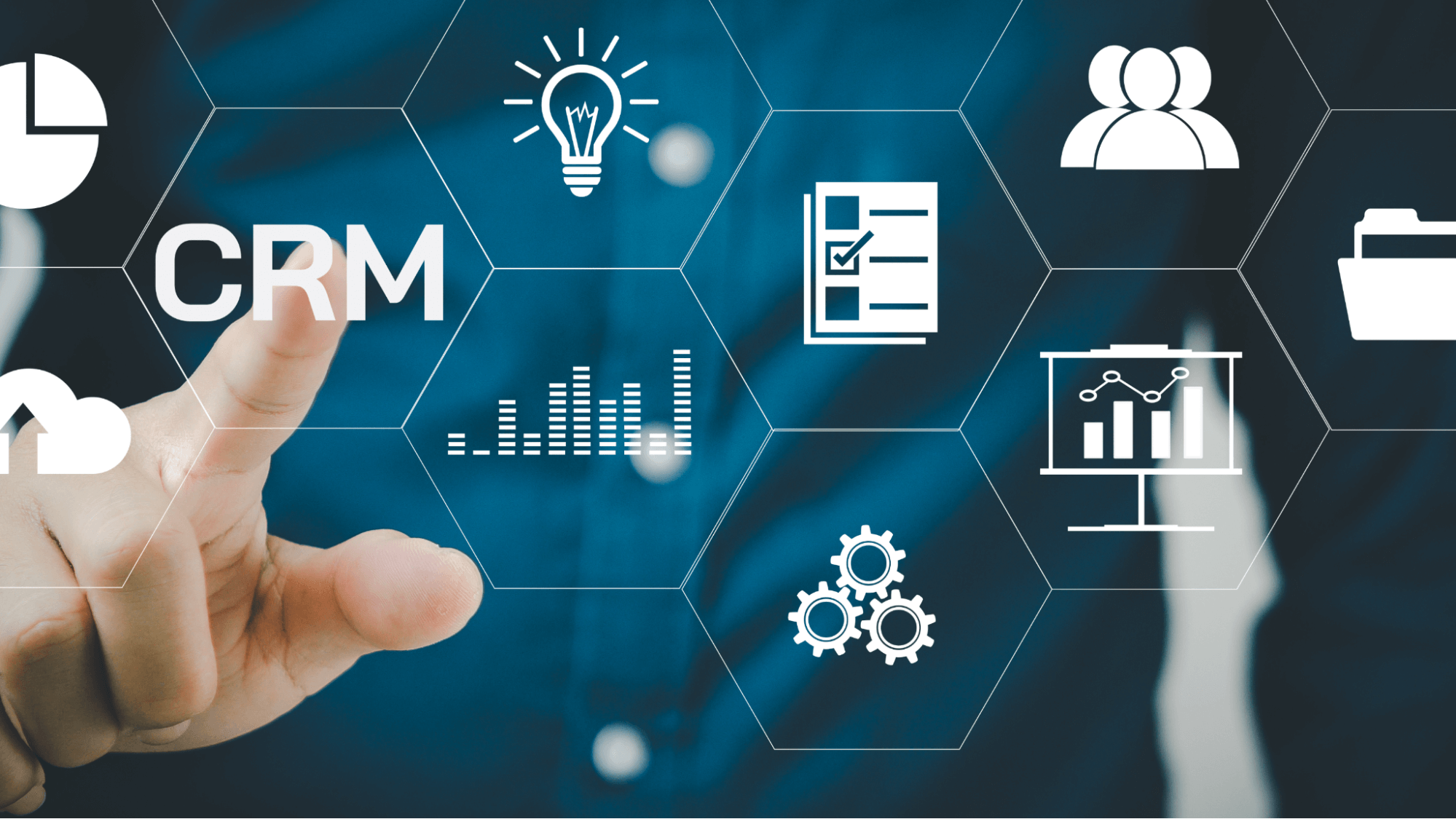
Are you a nonprofit selling across multiple eCommerce channels? Streamline your data at one place and make data driven decisions with the help of nonprofit CRM.
More and more nonprofits are turning to eCommerce to boost their revenue streams, selling everything from merchandise to digital products on their own Shopify stores or platforms like Amazon, eBay, and Etsy. A large number of nonprofits are switching to eCommerce to offset declining traditional donations and engage with young, tech-savvy supporters. However, managing online sales across different channels, while also maintaining strong donor relationships is challenging. This is particularly difficult for organizations with limited funds and staff. This is where nonprofit CRM tools emerge as a cornerstone of eCommerce success, helping nonprofits streamline operations, offer personalized engagement, and make data-driven strategies.
This blog explores how nonprofits can leverage the right CRM for eCommerce success, along with tools like Sellbery, to simplify multichannel selling and maximize impact.
Growing Importance of eCommerce in Nonprofits
A study reveals nearly 47% of nonprofits in the US don’t have adequate funds to execute their program or services. Beyond the US, nonprofits worldwide struggle to raise funds. This is when diversifying revenue streams become important, and eCommerce has transformed the way nonprofits raise funds. From selling their own merchandise to offering virtual tickets for events and webinars or providing services, online sales have offered a powerful way to scale revenue. However, eCommerce comes with its own set of challenges, like managing multiple sales channels, optimizing product visibility and maintaining donor relationships while keeping cost in check.
A nonprofit CRM addresses these issues by centralizing data, automating tasks and enabling personalized outreach. Unlike generic CRMs, nonprofit CRM tools like Donorbox, HubSpot, and Bloomerang offer features like donor tracking, fundraising analytics, volunteer management, making them ideal solutions to support mission-driven organizations. When paired with tools like Sellbery, eCommerce selling becomes more streamlined and fast, helping nonprofits focus on their cause.
Importance of Nonprofit CRM for eCommerce Success
A nonprofit CRM isn’t just a database but a strategic tool tailored to the unique needs of nonprofits like fundraising, donor management, and campaign tracking. It goes beyond standard CRM systems. Here’s why CRM is essential for nonprofit eCommerce success.
1. Centralizing Customer and Donor Data
Nonprofits interact with multiple stakeholders including customers, donors, volunteers and often these conversations are fragmented. A nonprofit CRM unifies this data into a single system and provides a holistic view of all interactions.
For example, a nonprofit selling merchandise on eBay can accept donations directly through their website and track all activities in one place so they don’t miss out on a single supporter.
The key benefits of centralizing this data is:
- It helps nonprofits understand supporter behaviour based on recent purchases, donation history, and engagement rate.
- Based on the data, nonprofits can easily segment supporters into different groups. e.g., frequent buyers, one-time purchase, etc. for target campaigns.
- Understanding data helps personalize outreach, making supporters feel seen and part of the organization. Nonprofits can also thank buyers for supporting a specific cause.
2. Streamline Multichannel Selling
Nonprofits leverage different eCommerce channels for extended reach such as Amazon, eBay, Shopify, etc. But with this also comes the complexity of managing listings, inventory and orders manually, resulting in errors and damaging credibility. Sometimes poor data can also lead to situations like stockouts, impacting nonprofit revenue. A nonprofit CRM makes integration easy by syncing stock data and automating workflows.
Tools designed for multichannel selling like Sellbery, complement these CRM tools by syncing order details and inventory data at one place. For example, a nonprofit selling organic products on Amazon and their website can use Sellbery to ensure consistent stock levels and avoid overselling.
To streamline multichannel selling:
- Choose a CRM tool that syncs with eCommerce platforms like Shopify, Woocommerce or marketplaces like Etsy.
- Automatically track, synchronize and manage inventory to offer a seamless customer experience.
- Identify top selling channels and products based on CRM analytics.
3. Boosting Visibility With SEO Optimization
With the rising competition in eCommerce, visibility is everything. If your products or organization name don’t show up in the top pages, the chances are buyers won’t discover you. This is where Search Engine Optimization (SEO) plays a critical role. Adding relevant keywords to product listings, descriptions and messaging can boost discoverability. A CRM tool provides customer data and helps make informed decisions regarding keywords that resonate with supporters,i.e., “sustainability” for eco-conscious customers.
To further enhance their SEO strategy, nonprofits can use tools like Sellbery for generating AI based titles, descriptions and tags to optimize products or marketplaces and improve ranking in a few clicks. Additionally, you can A/B test your products on selected channels to understand what makes buyers convert.
Below are some practical tips for nonprofits to boost SEO:
- Add mission related keywords in your titles and descriptions. Say a nonprofit sells handmade jewellery to fund education programs. They can use keywords like “ethnic jewellery” or “support education” to boost their marketplace ranking.
- Gather CRM insights to identify high performing keywords or trends.
- Monitor product rankings or listing performance with the CRM and optimize based on analytics.
4. Enhancing Supporter Engagement
eCommerce isn’t just about selling products, it also offers an opportunity to deepen relationships with supporters. A nonprofit CRM allows nonprofits to view every purchase as a chance to engage with supporters.
For example, a nonprofit selling merchandise to fund “girls’ education” can use a CRM tool to send thank-you emails explaining how each purchase contributes to girls’ education.
A CRM tool can help boost engagement by:
- Allowing nonprofits to send personalized emails or offer discounts for repeat purchase to boost loyalty.
- Linking sales to fundraising goals, so buyers can easily track their impact.
- Recommending products based on search or purchase history, like suggesting a mug or t-shirt to someone buying a tote bag.
5. Overcoming Nonprofit eCommerce Challenges
Nonprofits face a lot of eCommerce challenges such as limited funds, technical expertise or time. CRM tools like Donorbox, Salesforce for Nonprofits offer free or discounted plans for eligible organizations.
For example, Salesforce for Nonprofits offers the Power of Us Program where eligible nonprofits receive 10 free Salesforce Nonprofit Cloud or Sales/Service Cloud licenses.
Furthermore, nonprofit CRM tools help simplify operations by automating tasks like email marketing, sales reporting, etc. so nonprofits can focus on what matters the most: cause.
On top of everything, user-friendly CRMs don’t require technical expertise, making them accessible for small organizations.
Choosing the Right Nonprofit CRM for eCommerce Success
Selecting the right nonprofit CRM is an important decision. Here are a few things to consider:
1. Nonprofit Specific Features
Choose a CRM tool that offers features like donor management, volunteer coordination, and fundraising tracking. For example, Salesforce for Nonprofits is a great tool for campaign management and Donorbox CRM is best for retention and donor management.
2. eCommerce Integration
Does the CRM tool integrate easily with platforms like Shopify, Amazon, or WooCommerce? Integration makes it easy to manage everything from one place.
3. Pricing
Check if the nonprofit CRM tool offers discounts for nonprofits or free tiers for nonprofits. Like Salesforce for Nonprofits offers 10 free licenses or HubSpot offers a free plan with basic features.
4. Ease of Use
Your team is going to use the tool, so choose a platform with an intuitive interface to reduce training time.
5. Scalability
Does the CRM tool allow you to scale with time? Select a nonprofit CRM that fuels growth by enabling you to add new sales channels or campaigns.
Getting Started With Nonprofit eCommerce
Below steps will help you launch or enhance your nonprofit’s eCommerce strategy:
1. Select a CRM
Choose a nonprofit CRM that can be easily integrated with eCommerce and offers donor management features
2. Set Up Your Store
Create a storefront on platforms like Shopify, WooCommerce and list your product on marketplaces like Amazon, Etsy.
3. Integrate Tools
Integrate CRM with eCommerce platforms and explore multichannel platforms like Sellbery to streamline operations.
4. Optimize Listing
Use CRM insights to optimize marketplaces and product listings with SEO friendly titles and tags to boost your visibility.
5. Engage Supporters
Leverage CRM data for personalized interactions, and recommendations, loyalty programs and campaign integration.
6. Analyze and Scale
Track customer, sales, and donor data to understand what is working and what not. Based on these insights, refine your strategy and expand to new channels.
Conclusion
The success of nonprofit eCommerce hinges on the right CRM tool. With data-driven insights nonprofits can sell effectively, strengthen relationships with supporters and streamline operations. By integrating a CRM with eCommerce platforms and multichannel tools, nonprofits gain a unified view of sales, and inventory, enabling them to navigate through the complexities of eCommerce smoothly.
Explore CRM tools like Salesforce, HubSpot, or Bloomerang with tools like Sellbery to streamline multichannel selling, reduce time spent on manual tasks and boost visibility. With the right technology, nonprofits can turn eCommerce into a powerhouse for growth.
Was this news helpful?
 Yes, great stuff!
 I’m not sure
 No, doesn’t relate