


IT Support and Consulting: Auditing of Risk in the Sales Channel

Auditing Sales Channel Risk With IT Support & Consulting
Risk Perception in the Multichannel Selling Environments
Businesses are increasingly relying on several sales channels to reach their customers in the rapidly moving digital economy of today. These channels can be traditional brick-and-mortar store fronts and direct sales staff or they can be e-commerce websites, mobile apps and third-party markets like Amazon or eBay. This multi-channel sales approach opens up great opportunities for expanding market penetration, multiplying income streams and enhancing consumer involvement. But technology also creates an intricate web of risks that could threaten operational continuity, data security and regulatory compliance.
In such a complex ecosystem you need to have a detailed understanding of the individual vulnerabilities of each channel and how they interact to manage risk. IT support and consulting companies have become key partners for corporations seeking to properly uncover and mitigate these risks. Companies can use their knowledge to make sure that their sales channels are secure, seamless and in line with their business goals.
The urgency of this problem is shown by a recent study: In the last 12 months, 84% of companies suffered at least one security incident related to their sales channels. This shocking figure demonstrates the extent to which a failure or breach in one channel may quickly cascade to connected systems, impacting corporate operations and eroding customer trust.
The Role of IT Support in Risk Auditing
The first thing that springs to mind as it pertains to IT support is often reactive troubleshooting-fixing things that don’t work or responding to technological issues. But in multichannel risk management IT support professionals have a far more strategic role. They are proactive risk auditors who continuously examine the IT infrastructure that underpins all sales channels.
Antisyn’s IT support team has experience conducting detailed audits of an entire company’s tech stack. Their services normally include vulnerability scans, penetration tests, configuration reviews and data flow analysis to uncover vulnerabilities that could otherwise be overlooked. These assessments span a broad spectrum of risk vectors such as old software versions, unsecured payment gateways, poor encryption techniques and no control over access.
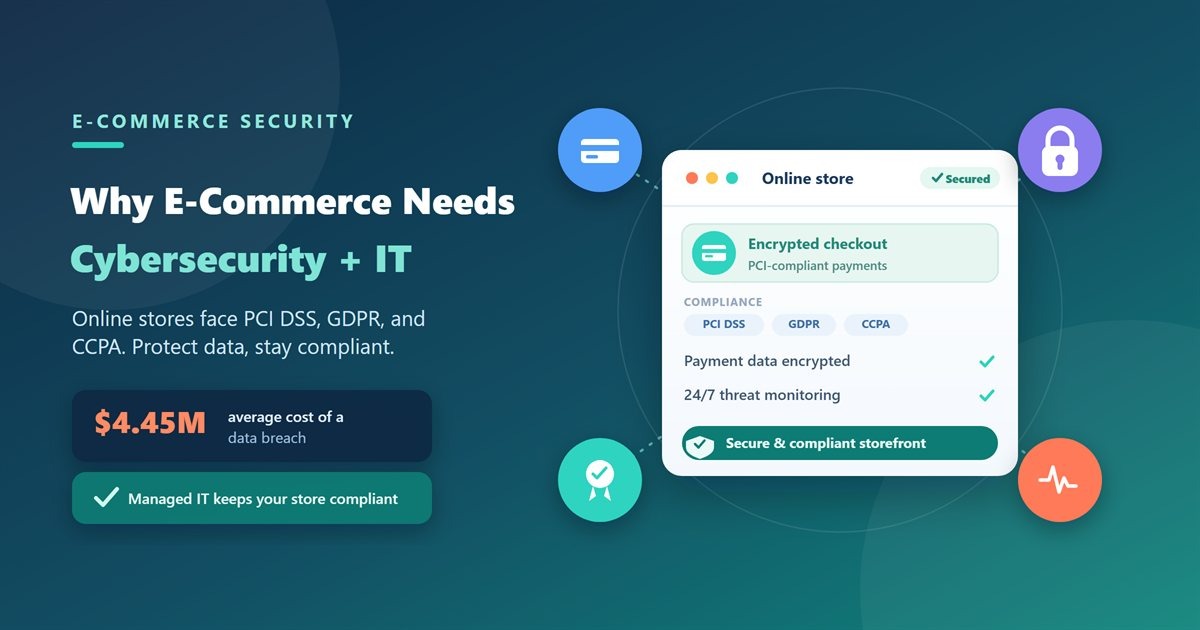
Another important aspect of the IT support role is protecting the customer data. Sales channels typically handle massive volumes of sensitive data – credit card information, personal identifiers, purchase history – so the stakes are enormous. Data breaches are costly and disruptive. The average cost of a data breach in 2023 was $4.45 million per incident. Regular IT audits can assist identify potential entry points for attackers and help meet data protection standards, such as the General Data Protection Regulation (GDPR) or the California Consumer Privacy Act (CCPA).
IT support teams also play a vital role in the smooth integration of many sales platforms with backend systems such as inventory management, customer relationship management (CRM) and enterprise resource planning (ERP). Poorly integrated systems can cause inconsistent data, transaction failures and security gaps which can increase operational risk.
Consulting Services – Bridging Strategy with Technology
IT support is more focused on the technical foundations of risk management, whereas consulting services provide a broader strategic outlook. Consultants help companies build a multichannel sales infrastructure that is consistent with the company’s broader corporate goals, governance structures and regulatory requirements. It is this alignment that makes the risk audit no longer a technical discipline, but a holistic management discipline, embedded in day-to-day operations.
Consultants’ knowledge can assist organizations interested in researching APC Integrated to examine the entire sales environment. This includes assessing third party vendors, cloud service providers, fulfillment partners and customer contact points to establish a comprehensive risk profile. Consultants also provide best practice advice on governance, risk and compliance (GRC) and solutions to the problems associated with the financial services, healthcare or retail industries.
Consultants will often provide training and awareness initiatives to encourage workers to identify and tackle threats in a proactive way. Risk-aware culture is crucial to security because human error is still one of the top causes of security breaches. Workshops include phishing awareness, secure password procedures and incident reporting methods.
We also help companies build and implement ongoing monitoring systems so they can identify and address new dangers in real time. This is a more proactive methodology than regular periodic audits that could detect risks fast emerging.
Sales Channels Audit: Major Risk Points
The audit risk of sales channels requires a careful examination of the following important areas:
- Security of Data: All customer and transactional data must be encrypted during transit and at rest. Information should be stored securely and processed in compliance with privacy regulations such as GDPR, CCPA, or PCI-DSS. Poor data handling can result in data breaches, regulatory fines, and loss of customer confidence.
- System integration: Ensuring that links between sales channels and backend systems do not introduce risks. APIs, middleware and data sharing protocols need to be evaluated for security threats and dependability issues.
- Access control: Examining the authorization settings and authentication procedures of users to prevent unauthorized access. RBAC (Role-Based Access Control), MFA (Multi-Factor Authentication) and periodic access reviews are key defenses.
- Third Party Risks: Evaluating the security posture of third party partners like payment processors, logistics suppliers and marketing platforms. The entire sales ecosystem is at risk from third party breaches.
- Compliance – To ensure compliance with industry norms and regulatory requirements to avoid penalties, legal proceedings and reputation damage. This includes compliance with industry specific standards and international data privacy legislation.
A recent report shows firms that use holistic risk auditing frameworks are seeing sales channel fraud drop as much as 37%. Here we see the real advantage of investing in solid audit and risk management processes.
Technology and Continuous Risk Monitoring
The world of sales channels is a living, breathing, shifting beast. New platforms, payment methods and consumer engagement tools are always coming up, and taking new risks with them. Risk auditing therefore is not a one-time exercise but an ongoing practice.
Such continuous risk monitoring is mainly dependent on modern technologies. Algorithms in artificial intelligence (AI) and machine learning (ML) can evaluate enormous amounts of data and find anomalies and potential security risks in real time. Automation scanning tools for vulnerabilities are significantly faster than human methods for detecting patch management gaps and configuration problems.
Therefore, IT support and consulting organizations are increasingly providing these modern technologies as a part of their services. The integration gives organizations an adaptive security posture that can respond quickly to changing threats. By monitoring proactively you may reduce downtime, financial loss and defend the reputation of the brand.
And cloud-based security information and event management (SIEM) solutions gather and correlate data from several sales channels, providing consolidated visibility and faster incident response.
Case Study: Strengthening Security Posture for Multichannel Retailer
Think of a giant retail company with actual stores and a massive digital presence. The firm faced challenges in synchronizing inventory information across several channels and providing secure payment processing. They went through a comprehensive risk audit after engaging with an IT support and consulting firm.
The audit identified outdated software on point-of-sale devices, weak encryption on mobile payment apps and insufficient control over access on back-end systems. They hired consultants to update software, implement end-to-end encryption, and put in place strict role-based control over access. They also provided staff training on cybersecurity best practices.
“The retailer saw a 40% reduction in security incidents related to sales channels within six months of installation, as well as increased compliance with PCI-DSS standards. shoppers were more confident their purchases were safe and customer satisfaction increased.
Conclusion: The strategic role of risk auditing in sales channels
In an era where customers expect safe, seamless shopping experiences like never before, risk assessment across sales channels is not an option—it’s a strategic must. Companies that proactively work with expert IT support and consulting providers are better positioned to meet the challenges of multichannel operations with confidence.
This blend of granular technical assessments and high-level strategic advisory allows organizations to uncover hidden risks, improve their security posture and embed a risk management culture inside the organization. “With the sales channels becoming more and more diverse and sophisticated, continuous risk audits will be the foundation of strong, compliant and customer-centric company models.
Not only will this comprehensive plan help to protect your assets and data, but it will also help to set the framework for long-term success in an increasingly competitive environment.
Was this news helpful?
 Yes, great stuff!
 I’m not sure
 No, doesn’t relate