



Hidden Building Risks That Online Retailers Should Check When Buying or Leasing an Older Warehouse

Hidden Building Risks That Online Retailers Should Check When Buying or Leasing an Older Warehouse
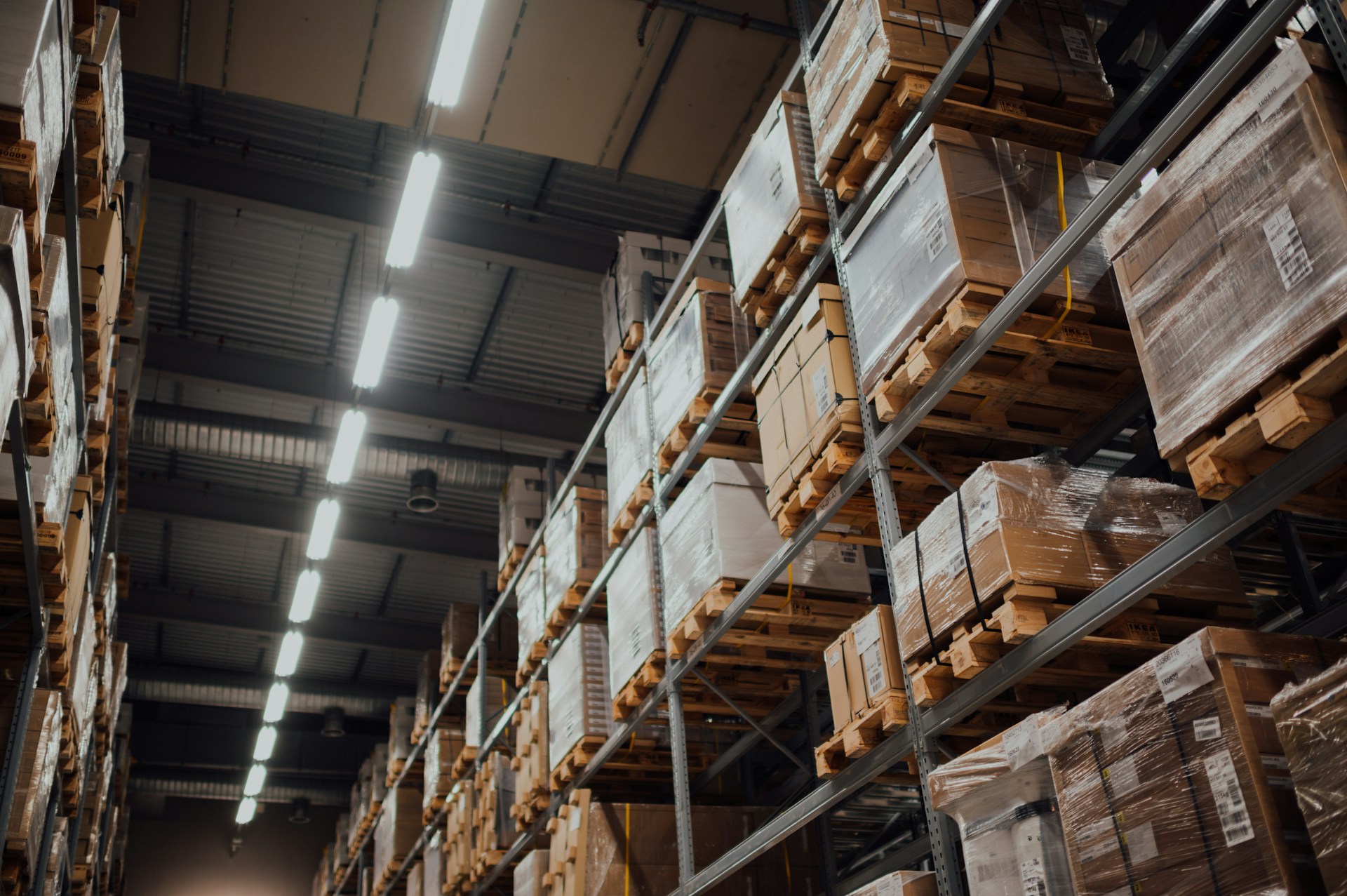
As your online store expands, you’ll need to get a warehouse for your goods. With the right space you can optimize fulfillment and accommodate further expansion. When considering a warehouse that is decades old, you need to consider more than just the lease rate or purchase price. These properties often have hidden issues that can increase your operating cost, slow down your operations, and even pose health and environmental risks. This is why it’s vital to always carry out a thorough inspection before you sign any agreement.
Look Beyond the Price Tag
Buying a warehouse provides you more control over the space, allows for a greater degree of customization, and has the potential to add to your business’s net worth over time. On the other hand, a lease generally involves a smaller initial cash outlay and offers greater flexibility should your business needs evolve.
When contemplating either option, consider the amount of time you plan to occupy the space, your projections for future business growth, and whether cash retention is more valuable to your company than real estate ownership. In either case, the building itself must be examined meticulously, more so if it is an older structure.
Inspect the Building’s Core Systems
Many older warehouses were not designed with today’s modern fulfillment needs in mind. So, take a close look at some of the essential structural and operational elements of the space before you commit. This includes:
- Load-bearing capacity of the floor: Older concrete floors may not support the heavy load associated with forklifts, automation, or heavily racked storage areas. You should have the slab inspected by a structural engineer to ensure that it supports all the weight you will be placing on it before signing your lease.
- Electrical capacity: Picking/packing stations, handheld scanners, conveyors, and automated warehouse machines are all electricity hungry, and most old buildings were not built with our current distribution in mind. Rewiring a building after you move in would cause more disruption than fixing it up front.
- Roof integrity and drainage: Even minor leaks, especially during periods of heavy rain, can compromise inventory, packing materials, and electronic equipment. Always inquire about the age of the roof and ask for details about repairs. A roof at the end of its service life is a major repair item, and its condition should be reflected in the building’s price or lease terms.
- Clear height and column spacing: Older structures may feature lower clear-height ceilings or closer column spacing. These may limit storage options or hinder picking efficiency. Such factors will be less critical for a warehouse that will only store product in bulk but particularly important for an eCommerce operation planning to utilize high-density racking.
- Loading dock access: Tight driveways or aging dock doors can impact efficiency by adding time and complexity to deliveries and shipments. Slow transit times for inbound and outbound goods can affect a company’s ability to meet customer promises, particularly for same or next-day delivery requests.
Take great care to assess how effectively these issues will support your current and future operational demands.
Don’t Overlook Compliance and Safety
Safety must be a consideration during the inspection process. Older buildings may require upgrades to fire protection systems, have damaged walls that harbor pests, or present electrical systems that fail to meet current code requirements.
Another issue that should be examined during the building’s inspection is the presence of asbestos. Industry guidelines generally suggest that any building built before 1980 may contain asbestos-containing materials until tests prove otherwise, as asbestos was used extensively in insulating materials, roofing and floor tiles, ceiling textures, and coverings for pipes and ducts until regulations began to remove it from common use. The material itself does not become a hazard until its integrity is compromised and fibers become airborne during renovation or modification of a building.
An asbestos containing product being maintained in place poses less risk to those around it than doing work that could disturb it, so testing for asbestos should always be part of a building’s pre-purchase or pre-lease inspection process, especially if there is a plan for remodeling or renovation. If asbestos is found to be a risk, there are a series of OSHA regulations which may need to be followed as part of a management or remediation plan.
What an Asbestos Assessment Actually Involves
A licensed inspector examines building components for likely areas of asbestos presence (such as pipe insulation, floor tiles and adhesive, ceiling textures, and roofing materials) and takes bulk samples for laboratory testing to determine its composition and concentration.
If tests conclude that asbestos is present, building owners can implement an operations and maintenance (O&M) plan that monitors the materials without immediate removal or plan remediation measures in preparation for renovations or remodels.
Ignoring asbestos or avoiding testing will not eliminate the risk to health and can lead to unexpected and costly liabilities both during the property’s use and when a transaction of the property occurs, such as in the sale of the building, a lease renewal, or even during another property renovation transaction.
Other Hidden Risks Specific to Older Industrial Buildings
Asbestos is not the only material that poses potential health hazards that is worth checking. Two other materials are also often found in older warehouse properties, and they should be included on due-diligence checklists.
Lead-based Coatings
Lead-based compounds are a significant concern in older industrial buildings. Residential use of lead-based paint was banned in 1978.
However, that ban carved out exceptions for industrial and commercial settings for maintenance purposes. Consequently, building owners should be wary of lead paint being present on structural steel, machinery, and equipment that were properly painted with it even decades after the ban.
Visual inspection for the presence of peeling paint, chalking paint, or newly painted surfaces should raise concerns for lead inspection; and testing is the only way to accurately verify its presence, as it would not be visible under conventional paint color.
Underground Storage Tanks
The EPA has regulations about underground storage tanks holding petroleum products. A storage tank that has been unused for years does not necessarily cease being a potential environmental hazard. Leakage of stored materials into the earth will create a liability to the property owner, and the responsible party for cleanup may not be the one who originally purchased the tank.
Signs that a property may sit atop underground storage tanks include fill ports or vent pipes at the surface of the earth or an unexplained concrete pad in the landscape, and should prompt a buyer or tenant to ask the seller/landlord if tank documentation and records exist prior to purchase or lease.
Why Site Assessments Deserve Their Place in Due Diligence
When reviewing an older warehouse property, retailers evaluating a potentially quicker deal sometimes treat environmental testing as an optional element. That is a costly mistake. Finding an environmental hazard in the middle of the renovations requires halting construction, bringing in licensed and insured environmental professionals, and the loss of a few weeks or months.
Finding asbestos, a lead-based coating, or the remains of a fuel tank during a demolition project you’ve commissioned and performed places documentation and remediation responsibilities squarely in your hands. Building an environmental review into your checklist protects your team and reduces the chance of any of these issues derailing your move.
While the goal is to prevent exposure altogether, it’s also helpful to understand the potential consequences. People who later develop asbestos-related illnesses, including mesothelioma, may qualify for compensation through Mesothelioma Trust Funds, which were established by bankrupt asbestos manufacturers to compensate eligible claimants.
A Practical Pre-Signing Checklist
There are some things you need to confirm before your team signs on the dotted line of a purchase or lease for an existing industrial building:
- Is the age of the building available, and has an asbestos survey ever been done?
- What is the flooring capacity, and does it need to be increased to suit your specific equipment and racking?
- Can the current power panel capacity support your projected power loads for automation and your picking and packing operations?
- What is the roof age, can you locate proof of the warranty, and is there any historical report of leaks?
- How old is the fire sprinkler system and when was it last inspected?
- Can the loading dock and driveway access handle the volumes of freight of your delivery operations?
- What structural steel, machinery, or equipment surfaces have been tested for lead-based coating?
- Has there ever been fuel oil or other underground heating oil tanks on the property?
Endnote
Choosing an older warehouse isn’t necessarily a gamble. Through responsible due diligence, the right inspections, and responsible planning, eCommerce retailers can save money on unexpected costs while still building a safer, more efficient operation. Taking your time to evaluate a location before you close may include those environmental assessments that most people avoid, but it’s one of the savviest investments you can make for your eCommerce business.
Was this news helpful?
 Yes, great stuff!
 I’m not sure
 No, doesn’t relate