

How to Immediately Tell If You’re Dealing with a Legitimate Online Seller

Learn how to spot a legitimate online seller. Check reviews, secure payments, and red flags to shop safely and avoid scams.
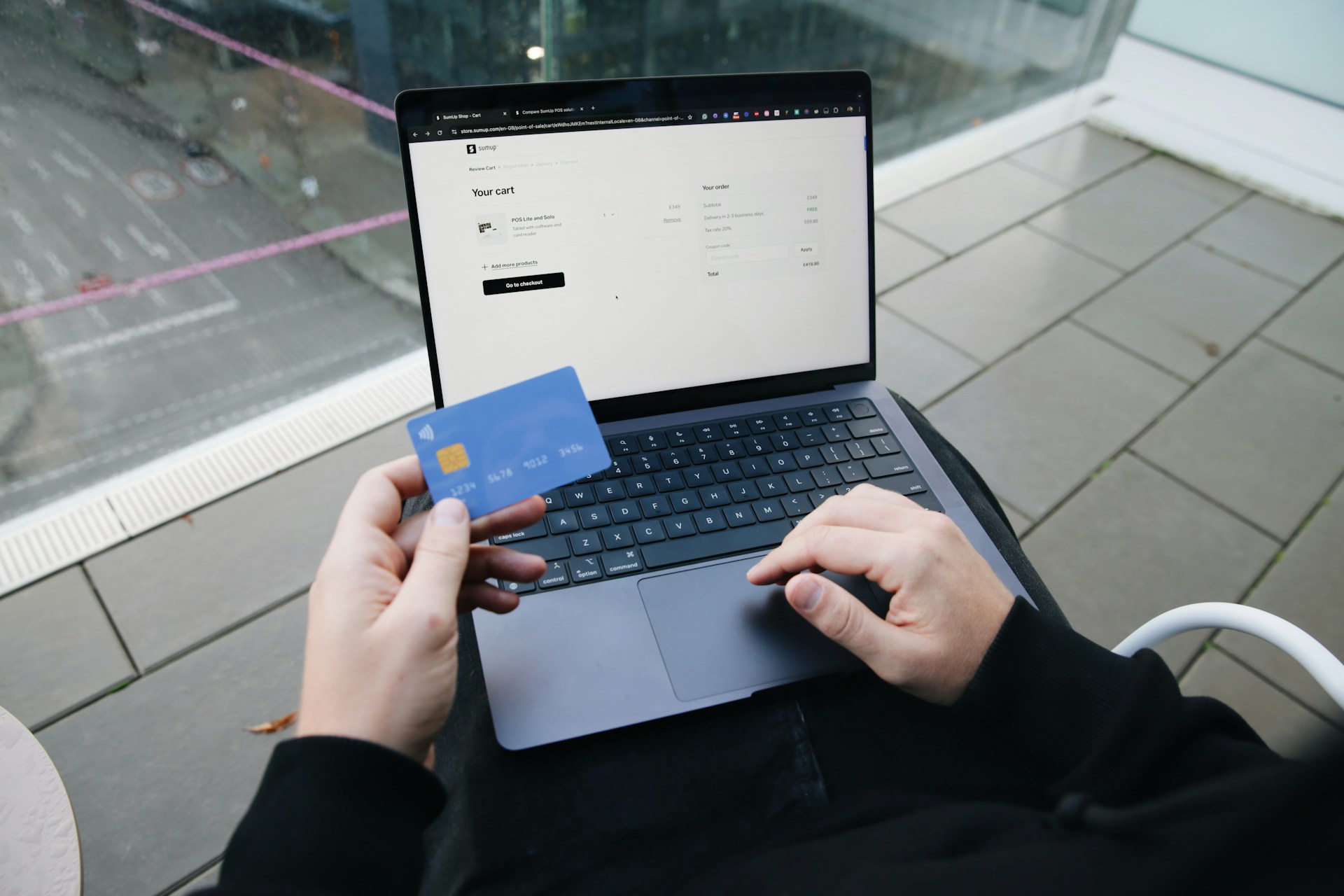
Online shopping has made life so much easier, but it’s also brought a rise in scams. In addition to fake websites pretending to be real stores, scammers are even using social media nowadays to pose as trustworthy sellers. With flashy ads, sponsored posts, and influencer-style promotions, these fake sellers often appear credible at first glance. They’ll lure buyers in with big discounts or limited-time offers, encouraging quick purchases without giving people time to think twice.
Falling for these scams can have serious consequences. Sometimes shoppers never get what they paid for or they receive cheap knockoffs instead. Even worse, scammers often grab personal and credit card details, putting victims at risk of fraud or identity theft long after the purchase. As these scams get more sophisticated, it’s more important than ever to know how to spot a real seller from a fake one.
Here are some key signs to watch out for so that you can confidently identify legitimate sellers and ensure secure online credit card transactions with a card like your Maya credit card every time you shop:
1. They Provide Clear Contact Information and Business Details
Legitimate online sellers typically offer full contact details, including a business address, customer service phone number, and a professional email address that matches their domain (for example, support@brandname.com). This transparency shows they’re accessible and accountable, which builds trust. If this information is missing or difficult to find, it’s a red flag.
Also take a moment to verify the business name or contact number through a search engine or business directory. If you can’t find any trace of the business outside its own website or profile, it might be best to look for a different seller instead.
2. Their Website Uses Secure HTTPS Encryption
One of the first things to look for is whether an online store’s website uses HTTPS encryption. You should see a padlock icon in your browser’s address bar, and the URL should begin with “https://”. This means the site encrypts your data, helping to keep sensitive information like your credit card number or password safe from being intercepted.
On the other hand, if the site uses only “http://” (without the “s”) or if your browser gives a security warning when you try to access it, stop and reconsider. Reputable sellers take security seriously and invest in Secure Sockets Layer (SSL) certificates to protect their customers. A lack of basic security is often a sign of a hastily built or fraudulent website.
3. They Have Multiple Positive Reviews and Ratings From Other Buyers
A trustworthy seller usually has a solid track record of happy customers, reflected in online reviews and ratings. Don’t just rely on testimonials shown on their website; instead, also search for articles, blogs, or video reviews that talk about the business and its products. These independent sources can help you spot patterns, whether it’s consistently good service and fast shipping or recurring problems like missing deliveries or low-quality items.
At the same time, be cautious if all the reviews on their online store sound too perfect or use the same generic phrases. Fake reviews often lack detail and variety, and may even be copied and pasted. Genuine feedback tends to be more specific and honest, sometimes including photos or videos from actual buyers, which gives you a clearer picture of the seller’s reliability.
4. Their Social Media Profile Looks Established and Active
On social media platforms, a legitimate seller will typically have an established profile that includes a business name, logo, and regular posts. They engage with their followers by answering questions, responding to comments, and sharing updates or promotions in a consistent tone. These signs show they value customer interaction and take their brand seriously.
Conversely, fake sellers create accounts just to run ads then disappear once they’ve scammed enough people. Be cautious if the profile has very few followers, a sudden spike in activity, little to no customer engagement, or no real history. Accounts that were recently created or have inconsistent branding are also red flags, so it’s best to avoid them altogether.
5. Their Prices Are Reasonable and Not Too Good to Be True
Scammers often tempt shoppers with unbelievably low prices. For instance, authentic designer sneakers worth PHP 15,000 might be offered for just PHP 1,500. While legitimate stores do run sales and promotions, prices that are drastically below the usual market rate should raise immediate suspicion. These kinds of “deals” are designed to create urgency so buyers act on impulse instead of thinking things through.
Before purchasing a product, compare prices from well-known and trusted local retailers or shopping platforms like Lazada, Shopee Mall, or Zalora. If the price difference is too extreme, the item could be a fake, a damaged product, or a complete scam.
6. They Accept Secure, Traceable Payment Methods
Legitimate online sellers offer secure and traceable payment options like credit or debit cards, popular e-wallets such as Maya, or bank transfers through well-known banks. These methods often come with buyer protection or leave a clear transaction record, making it easier to dispute charges or request refunds if something goes wrong.
Hence, be cautious if a seller asks you to send money through less secure channels, such as transferring to an account under a name that doesn’t match the business. If a seller refuses safer payment options or insists on risky methods, it’s best to avoid the transaction altogether.
Buying online has become second nature for many of us, whether we’re shopping for essentials or treating ourselves. But as the convenience grows, so do the risks. Scammers are always finding new ways to trick buyers, so staying smart and cautious is needed more than ever. Take a moment to verify if you’re dealing with a trustworthy seller, and you’ll be able to protect not just your money but also your peace of mind every time you shop.
Was this news helpful?
 Yes, great stuff!
 I’m not sure
 No, doesn’t relate