

How Can Branded Packaging Help Online Sellers Build Trust Across Multiple Marketplaces?

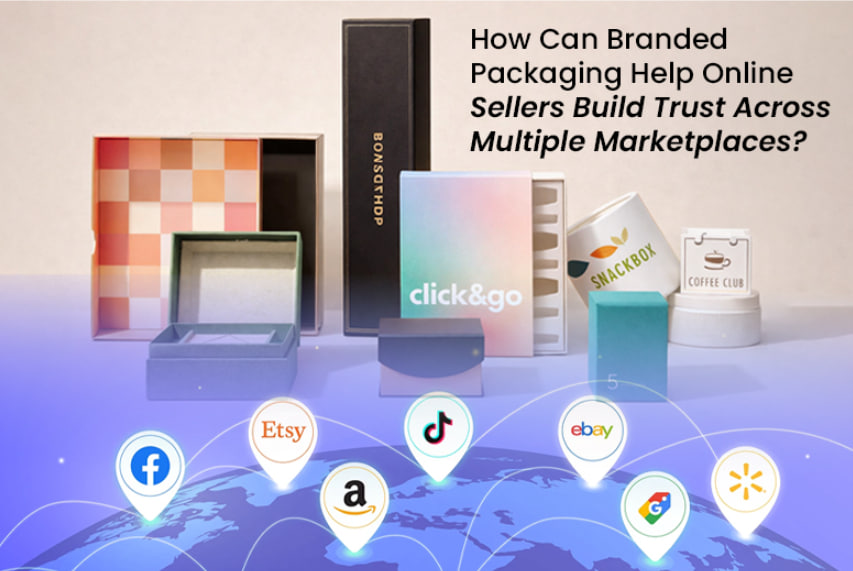
How Can Branded Packaging Help Online Sellers Build Trust Across Multiple Marketplaces?
How Can Branded Packaging Help Online Sellers Build Trust Across Multiple Marketplaces?
Selling on multiple channels is great for growth, but it also creates a trust problem. A shopper might find you on Amazon today, buy from you on Etsy next month, and spot your products on Walmart Marketplace later. Different platforms, same customer expectations.
When the product arrives, packaging becomes your storefront. It is the first real-life moment a customer has with your brand, and one of the few moments you fully control.
This guide gives you a practical framework for branded packaging for online sellers: how to keep packaging consistent across marketplaces without breaking platform rules, and how to make the process scalable as your multichannel operation grows.
Why “Trust” Is Harder When You Sell on Multiple Marketplaces
Customers See Your Product, Not Your Backend
Buyers do not care where the order “came from” behind the scenes. They just want it to arrive on time, protected, and exactly as described. If something goes wrong, they blame the seller—not the marketplace.
The unboxing is the one moment you control from start to finish.
Marketplace Shoppers Are Skeptical by Default
On marketplaces, shoppers compare sellers side-by-side. They are looking for fast signals: “Is this seller legit?” Packaging is one of the quickest credibility cues because it shows effort, care, and professionalism.
Consistency Creates Familiarity
Consistent packaging builds familiarity: same look, same protection level, same insert style, same tone of voice. That familiarity makes your brand feel dependable—no matter where the customer bought.
This is the foundation of multichannel packaging consistency.
What Do Branded Packaging Mean in Multichannel eCommerce And What it Does NOT
Branded packaging does not have to mean expensive, fancy designs. In custom packaging for ecommerce, it simply means your packaging looks intentional and protects the product well.
Branded Packaging Includes
- Custom-branded boxes that carry your identity and protect the product, are often the most visible brand moment.
- Custom-printed boxes or mailers
- Branded tape, labels, stickers
- Inserts: thank you card, care instructions, reorder QR
- Protective fit: inserts, void fill, corrugated strength choices
Branded Packaging Does NOT Mean Breaking Marketplace Rules
Some marketplaces have specific packaging and labeling standards you must follow. Walmart Marketplace, for example, explicitly ties packaging compliance to building customer trust.
And if you ship inventory into marketplace fulfillment programs (like FBA or WFS), you will also have prep and labeling requirements to follow.
7 Ways Branded Packaging Builds Trust Across Marketplaces
1) Reduces Damage, Which Reduces Complaints And Bad Reviews
“Arrived damaged” is a trust killer. Strong boxes, the right cushioning, and a snug fit reduce damage—and fewer damages mean fewer complaints, refunds, and negative reviews.
2) Makes Your Brand Instantly Recognizable
Consistent colors, logo placement, and typography help customers remember you even if they bought through a marketplace. Recognition is the first step to repeat purchases.
3) Creates a Professional Unboxing Experience
Unboxing is not just aesthetics—it is a retention lever. Shopify notes that a positive unboxing experience can increase customer loyalty and affinity with your brand.
4) Sets Expectations And Reduces “Not as Described” Returns
A simple insert can prevent confusion:
- product details
- sizing notes
- “How to use” steps
- care instructions
Clarity builds trust—and helps reduce returns packaging in e-commerce by lowering misunderstandings.
5) Add Legitimate “Brand Signals” That Marketplaces Cannot Provide
Marketplaces do give you much space to show who you are. Packaging can add trust signals like:
- care card
- authenticity card (when relevant)
- brand story (short and simple)
- compliance icons (when relevant)
6) Improves Post-Purchase Confidence With Tracking And Support Cues
Include a support email, a QR code to FAQs, and simple guidance on what to do if something is wrong. Customers feel safer when help is obvious—and safer customers are more likely to buy again.
7) Helps You Grow Repeat Purchases Even When You do Not Own The Marketplace Customer
On marketplaces, you do not fully control remarketing. But you do control the box. Packaging is your bridge from “marketplace buyer” to “brand customer.”
The Multichannel Packaging System (Built for Scale with Sellbery)
A packaging strategy works best when it is a system—not random choices that change by platform, product, or packer.
Step 1: Standardize The “Core”
Choose 2–3 core box sizes that cover most orders (often 80%+). Standardize your material spec too:
- kraft vs. white
- corrugated strength
- paperboard vs. poly mailers
This keeps costs predictable and packing faster.
Step 2: Customize The “Surface”
Keep the same core sizes (same dielines), then swap the “surface” elements:
- printed design or sticker system
- inserts that change by marketplace or campaign
- seasonal messaging without changing your whole operation
Step 3: Match Packaging SKUs to Product SKUs
If your multichannel operation is organized, packaging should be too. Create packaging rules by category:
- fragile
- liquid
- apparel
- cosmetics
- food items
When your listings and orders are structured, packaging becomes easier to standardize and train—especially as volume grows.
Step 4: Make it SOP-Friendly
Turn your packaging system into a simple SOP:
- packing checklist
- photo examples for packers
- label placement rules
- “if this, then that” packing rules (fragile vs. non-fragile)
That is how you keep packaging for marketplace sellers consistent even when you hire help.
Marketplace-Friendly Packaging Tips (What to watch)
Follow Packaging And Labeling Requirements Where Applicable
- Amazon: has product packaging requirements and prep expectations (especially for FBA workflows).
- Walmart Marketplace: has packaging policy guidance and directly links compliance with customer trust.
- Etsy: encourages branded packaging touches as part of professional presentation.
Avoid Risky Inserts And Promotions
Keep inserts helpful and support-oriented, not aggressive. Focus on:
- care instructions
- authenticity info (if relevant)
- support details
- reorder convenience (QR to product guide, FAQs, or a reorder page)
Avoid anything that could look like policy-dodging or “pulling buyers off-platform” in a pushy way.
Cost vs Value: A Simple ROI Lens for Branded Packaging
Costs to Consider
When assessing the costs involved, it is important to account for the initial print setup as well as any material upgrades that may be needed. Additional expenses may arise from using inserts for protection or presentation, along with the extra packing time required to implement improved packaging or handling processes.
Value to measure
The value of these investments can be seen in a reduction in product damages and replacements, as well as fewer customer returns. Over time, this should contribute to higher review ratings and a decrease in complaints. Improved packaging and delivery experiences can also lead to more repeat purchases and increased referrals from satisfied customers.
Simple KPI list
Key performance indicators to track include the damage rate and return rate, which provide direct insight into product handling and packaging effectiveness. Monitoring the trend in review ratings helps gauge customer satisfaction over time, while tracking the repeat purchase rate, where measurable, indicates the longer-term impact on customer loyalty.
FAQs
Q1. Can I use branded packaging when selling on marketplaces?
Yes, just follow each marketplace’s packaging and labeling rules, especially for fulfillment programs.
Q2. What packaging elements build trust fastest?
- Protection (strong box + proper inserts)
- Consistency (logo/color)
- A helpful insert with support info.
Q3. How do I keep packaging consistent across Amazon, Etsy, and Walmart?
Use a system: standardize core sizes and materials, then customize surface elements (stickers/inserts) without changing your whole operation.
Q4. What is the cheapest way to start branded packaging?
Start with plain boxes + branded stickers + one simple insert (care + support). Upgrade later.
Q5. How can packaging reduce returns?
Returns often come from damage or confusion. Better protection reduces damage; clear inserts reduce “not as described” returns.
Q6. Should I use custom inserts or custom-printed boxes first?
If the budget is tight, start with inserts and stickers (high impact, low cost). Move to printed boxes when you want stronger branding at scale.
Q7.What should I avoid adding inside marketplace orders?
Avoid anything overly promotional or risky. Keep inserts helpful: care instructions, support info, authenticity, and easy reorder guidance.
Conclusion
When you sell across multiple marketplaces, trust is built at the delivery moment. Branded packaging is one of the most scalable ways to create that trust across channels because it keeps your experience consistent, reduces damage and returns, and makes your business look reliable everywhere you sell.
If you want to grow multichannel without the chaos, build a simple packaging system and pair it with tools that help you manage listings and orders across marketplaces.
Was this news helpful?
 Yes, great stuff!
 I’m not sure
 No, doesn’t relate