

How a Brand Character Can Give a Faceless Online Store a Personality

How a Brand Character Can Give a Faceless Online Store a Personality
The same issue affliction plagues most ecommerce brands. Walking into a brick-and-mortar shop, never meeting a salesperson, and not being able to distinguish one seller from another when product pictures begin to look alike these are all things shoppers never do. On high-traffic marketplaces, if everyone is filling in the listings on the same template, it will be more difficult to stand out by personality than by price. One strategy in bridging that gap is by creating a brand character, whether it’s a simple illustrated character or a walk-around mascot.
Why Online Brands Struggle to Be Remembered
Customers will often remember the platform they used to buy from, not the seller, when purchasing on Amazon, Etsy, or eBay. This makes it difficult to win repeat purchases and also word of mouth. Logos, they help… but a logo is just a static mark. It doesn’t often provide anything to discuss or share.
A character is different. It can be named, have a familiar appearance, and a uniform action profile across channels. The consistency over time creates a mental shortcut for the customer to the brand. It can also be used in locations where it’s not really appropriate to have a logo, like a thank-you card in the box or a short video put on social media.
Start Small with an Illustrated Mascot
For the majority of the sellers, the first step doesn’t have to be a costume. Once a character is designed, it can be applied to product inserts, packaging, email headers, banners in storefronts and social posts. The goal is to establish a couple of consistent characteristics at first, color palette, facial expression and posture, so that all the characters look alike.
It’s good to have a definite role for the character. Some brands use theirs to provide information on how to use a product. Others use it just for that, to add a friendly face to shipping notification or customer service communications. Both are fine as long as the role remains the same.
When a Physical Mascot Makes Sense
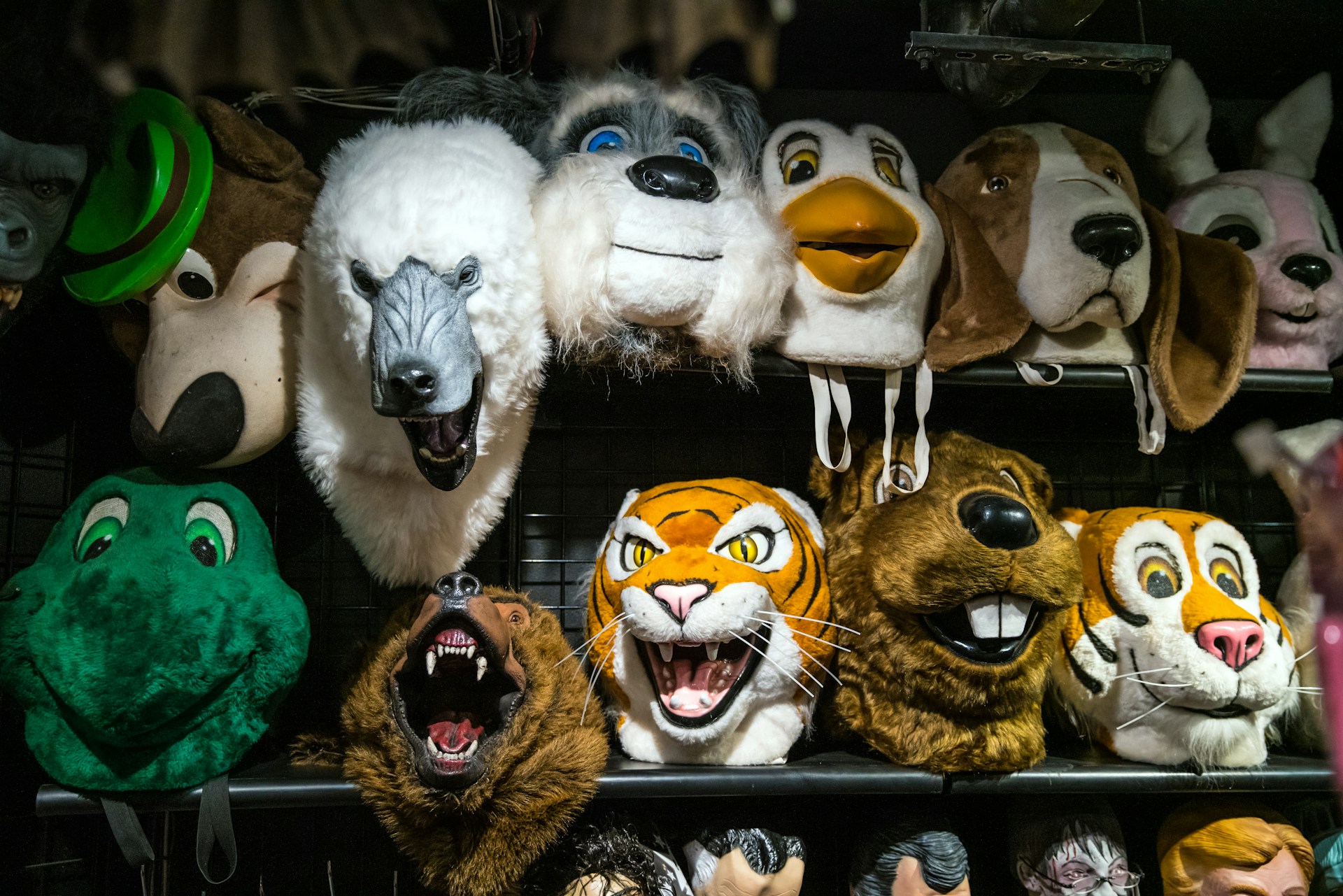
As an online brand expands, it can begin to make its presence felt in the real world by way of pop-up shops, trade shows, local markets or brand partnerships. That’s where a walk around costume will come in handy. A mascot at a booth gets people to pause, take a picture, and then remember his/her name later. Those photos then get re-posted on social feeds and user-generated content.
It’s also helpful for content production to have a physical costume. Filming a short video, doing the unboxing, or creating a post for the season with the mascot does not require the hiring of actors or models, and the face of the mascot can be seen again and again from one post to the next.
Finding a Costume Without Wandering Around the Mall
When buyers use the title of a listing to find sellers in a marketplace, they are accustomed to having the seller keyword them. When sellers keyword buyers, it is the same thing that occurs when buyers research sellers in a marketplace. When looking for a mascot costumes custom, you can find a wide variety of options ranging from animal suits that have a logo stitched on to a completely unique mascot that’s been made from a design. Before asking for quotes, it’s important to know which is the one you need.
Costumes are ready-made, which are quicker and cheaper, but less likely to be an actual brand. A custom costume is created from beginning to end by using concept artwork and typically multiple revisions are made throughout the process. Lead time is often in months; any person thinking about bringing a mascot to a particular event needs to plan for that lead time. Asking suppliers about the materials they use, the ventilation they allow through the garment, whether the user can see through the garment and how they match the colors to brand references will help you make a price comparison.
Maintain a Consistent Style and Appearance Across All Channels
If there is a character, then the focus turns to consistency. Designers, freelancers, and anyone who will be wearing this costume will all be in sync thanks to a simple style guide detailing how the costume should look, how it should be personalized, and what to do and what not to do with it. This is even more important for content owners who are outsourcing content or dealing with multiple content agencies.
It is also an important consideration to keep in mind how the character relates to product. Orders can have plush versions, stickers or small branded items to be added as surprise features or sold as standalone products, allowing the character to be sold into the home.
Is a Mascot Right for Your Store?
No brand character will make up for a low-quality product or customer service. What it can do is to make a good brand stick in the minds of the sellers in a situation where they appear interchangeable in the channel. It’s a logical choice for stores that serve families, hobbyists or communities that want to be personal. For others, it’s enough to have a simple illustrated character to determine if users react before entering any more investment.
Was this news helpful?
 Yes, great stuff!
 I’m not sure
 No, doesn’t relate