

From Product Material to Profit Material: How Copper Upgrades Can Boost E-commerce Performance

Discover how copper product upgrades boost conversions, reduce returns, improve reviews, and raise lifetime value in AI-driven e-commerce brands.
E-commerce has gotten brutally efficient. AI tools can optimize your pricing, rewrite your product descriptions, and even predict demand spikes before they happen. But there’s one lever that even the smartest automation can’t pull after the fact: the physical product your customer receives.
When shoppers open a box, they aren’t just judging the item—they’re deciding whether your brand is “worth it.” And that judgment shows up everywhere AI cares about: conversion rate, return rate, review sentiment, repeat purchase behavior, and lifetime value. If you’re looking for an edge that compounds across all those metrics, start with the simplest question: What is this product made of?
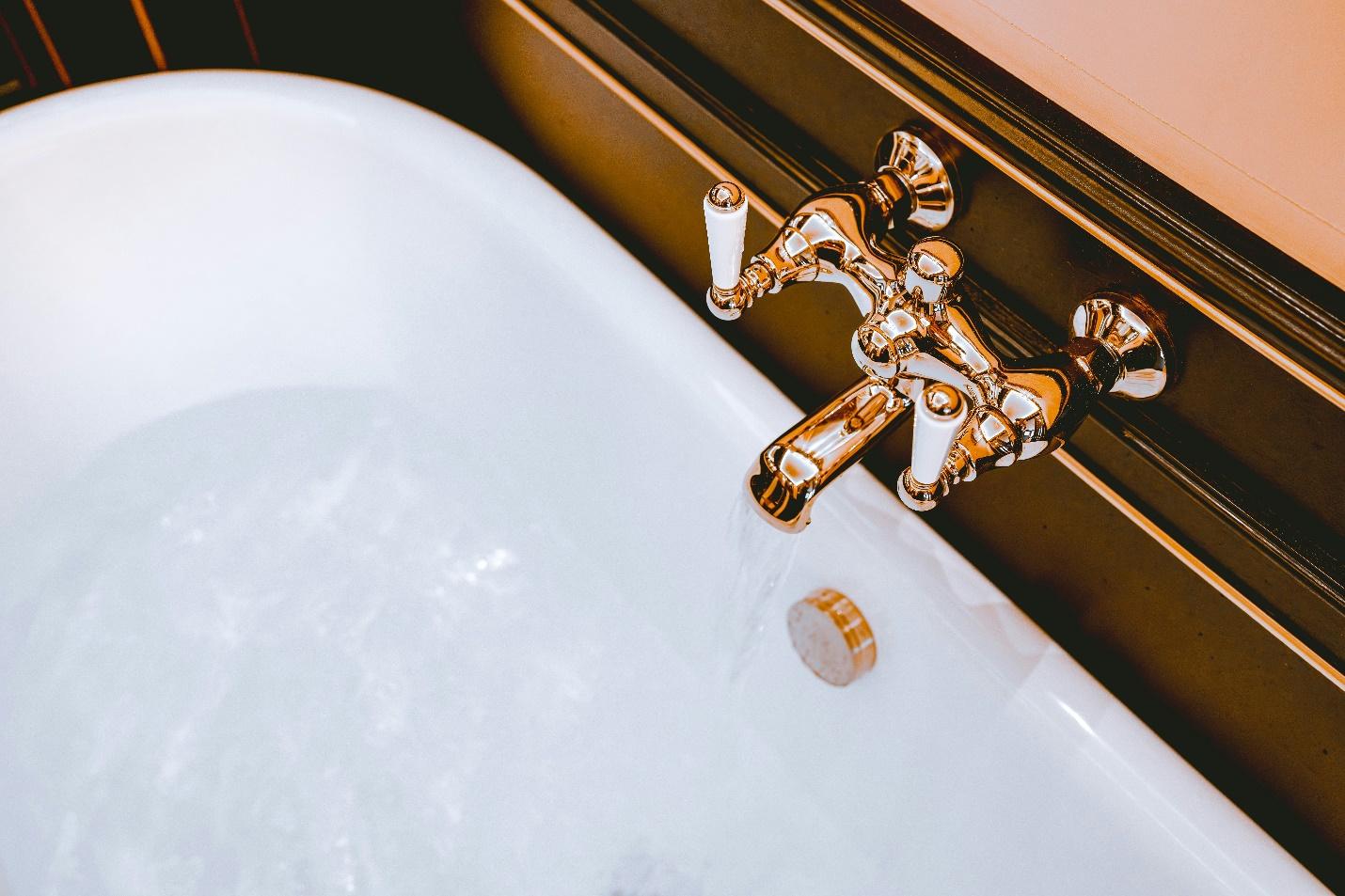
Copper upgrades—especially in categories tied to kitchens, baths, hospitality, and home improvement—can turn “good enough” listings into premium performers. Not because copper is trendy, but because it delivers tangible signals of quality that customers can see, feel, and review.
Why Materials Matter More In The AI-Driven E-commerce Era
AI selling platforms can help you identify what shoppers want and how they respond to different offers. But no algorithm can make a flimsy item feel substantial or make a cheap finish look premium under real bathroom lighting.
Materials influence e-commerce performance in predictable ways:
- Perceived value: Customers anchor quality to weight, finish, and durability cues.
- Post-purchase satisfaction: A better tactile experience reduces disappointment and return intent.
- Reviews and UGC: Premium materials show better in photos and videos, helping social proof.
- Brand trust: When the product matches the promise, customers believe the rest of your catalog will too.
In other words, materials don’t just change your product—they change your data. And better data fuels better AI outcomes.
Copper As A Premium Signal, Customers Instantly Understand
Copper is one of those rare materials that doesn’t need explaining. Even shoppers who can’t name alloys understand what copper means: craftsmanship, longevity, warmth, and a “designed” look instead of a mass-produced one.
That immediate recognition translates into ecommerce-friendly advantages:
- Higher willingness to pay: Premium materials justify premium pricing without complicated storytelling.
- Lower comparison shopping: Unique finishes and patina characteristics reduce “same product, cheaper elsewhere” behavior.
- More giftable and upgradeable appeal: Copper items often fit into “home upgrade” mental categories, which drives higher AOV.
Copper also photographs exceptionally well. A listing with copper accents or copper-forward products tends to look more editorial—helpful when AI image tools and marketplace feeds reward high-performing creative.
The Conversion Rate Lift You Don’t Get From Copy Tweaks Alone
Most conversion optimization advice focuses on the listing: better headlines, clearer bullets, improved images, and more FAQs. That’s important, but it has diminishing returns if your product still feels like a commodity.
Copper upgrades influence conversion in a different way: they change what customers believe they’re buying.
Here’s how that plays out on real product pages:
- Visual differentiation: Copper stands out in a scroll. It’s easier to recognize at thumbnail size than subtle design tweaks.
- Stronger “premium” narrative: You can support claims like “built to last” with visible evidence.
- More confident add-to-cart behavior: Shoppers feel they’re choosing an upgrade, not taking a gamble.
If your AI tools are already driving qualified traffic, improving the physical product can unlock a second layer of conversion gains—because the page promise becomes more credible.
How Copper Can Reduce Returns And Protect Margin
Returns are one of the fastest ways to ruin an e-commerce business, especially in home and sanitary categories where shipping is expensive, and items are easily damaged in transit. AI can help you predict returns, but your best play is preventing them.
Copper components and copper-forward products can reduce returns by addressing the most common reasons customers send things back:
- “Didn’t match expectations”: Premium materials reduce the gap between photos and reality.
- “Feels cheap”: Copper’s weight and finish convey quality on first touch.
- “Looks different in my space”: Copper complements a wide range of styles—modern, rustic, industrial, and classic—making it more forgiving.
Even when return rates don’t drop dramatically, copper can help maintain margin because premium products tolerate slightly higher shipping costs and still feel “worth it” to the buyer.
Reviews, Ratings, And The AI Feedback Loop
On AI-driven selling sites, your reviews aren’t just social proof—they’re training data. They influence search visibility, recommended placements, and performance predictions.
Copper tends to earn better review language because customers comment on what they can experience immediately:
- “Feels solid”
- “Looks high-end”
- “Better than expected”
- “Beautiful finish”
- “Worth the price”
Those phrases matter. Review sentiment becomes a moat: it’s hard for competitors to copy without actually upgrading materials.
If you’re operating on a platform like Sellbery that emphasizes AI-powered selling, this becomes a loop: better product experience → better reviews → better performance signals → better placements → more sales.
Where Copper Upgrades Make The Most Sense
You don’t need to rebuild your whole catalog. The smartest approach is to upgrade where it affects perception and usage the most—high-touch, high-visibility, high-expectation product moments.
Copper is especially compelling in:
- Sanitary and bath accessories: Items customers see daily and associate with cleanliness and design.
- Kitchen and hospitality hardware: Places where “premium” is obvious and photographs well.
- Fixtures, trims, and accents: Products that elevate a room without requiring a renovation.
- Giftable home goods: Copper reads as intentional and “special,” supporting higher price points.
A practical rule: if an item is frequently touched, frequently seen, or frequently photographed, upgrading materials can pay back faster.
Sourcing And Manufacturing: Upgrades That Don’t Break Operations
One fear with material upgrades is complexity: longer lead times, higher defect rates, or inconsistent finishes. Copper does require attention to quality control and finishing standards, but it’s manageable when you treat the upgrade like a system.
Ways to keep operations clean:
- Standardize finishes: Offer a curated set of finishes to reduce SKU chaos.
- Improve packaging: Premium items need packaging that prevents scuffs and dents.
- Set clear care expectations: Copper can develop patina; explaining that prevents “it changed color” complaints.
- Use quality suppliers: Consistent material specs reduce customer service tickets and negative reviews.
If you’re evaluating suppliers for copper and metal products for sanitary wear and related categories, a company like CopperSmith can be a useful reference point—especially if you want options in copper and complementary metals from a specialized source such as www.worldcoppersmith.com.
The Smart Way To Position Copper In Your E-commerce Brand
Copper sells best when it’s framed as an upgrade, not as a niche aesthetic choice. Your job is to connect the material to outcomes customers care about.
Positioning angles that perform well:
- Durability and longevity: “Built for daily use” lands better than “luxury.”
- Design confidence: “Elevates any space” reduces style anxiety.
- Better everyday experience: “Feels substantial” is persuasive and believable.
- Value over time: Premium materials support fewer replacements and less regret.
Importantly, don’t oversell. Let the material do the talking. Your AI tools can test which angle resonates most with your audience, but the foundation is still the product.
Turning A Material Upgrade Into A Performance Strategy
Copper upgrades aren’t just a product decision—they’re a performance strategy. When you improve material quality, you’re improving the metrics that matter most in e-commerce:
- Higher conversion rates because the offer feels premium and distinct
- Lower returns because expectations match reality
- Better reviews because customers can feel the quality
- Stronger repeat behavior because trust carries over to the next purchase
If you’re already using AI to optimize your store, copper can be the “offline” lever that amplifies everything your AI is doing online. Better materials create better outcomes, and better outcomes create better data.
In e-commerce, the best growth hacks are often the least flashy. Sometime,s the most profitable move is simply upgrading what your customer holds in their hands.
Was this news helpful?
 Yes, great stuff!
 I’m not sure
 No, doesn’t relate