

Facebook Shops vs Instagram Shops: Which One Actually Sells More?

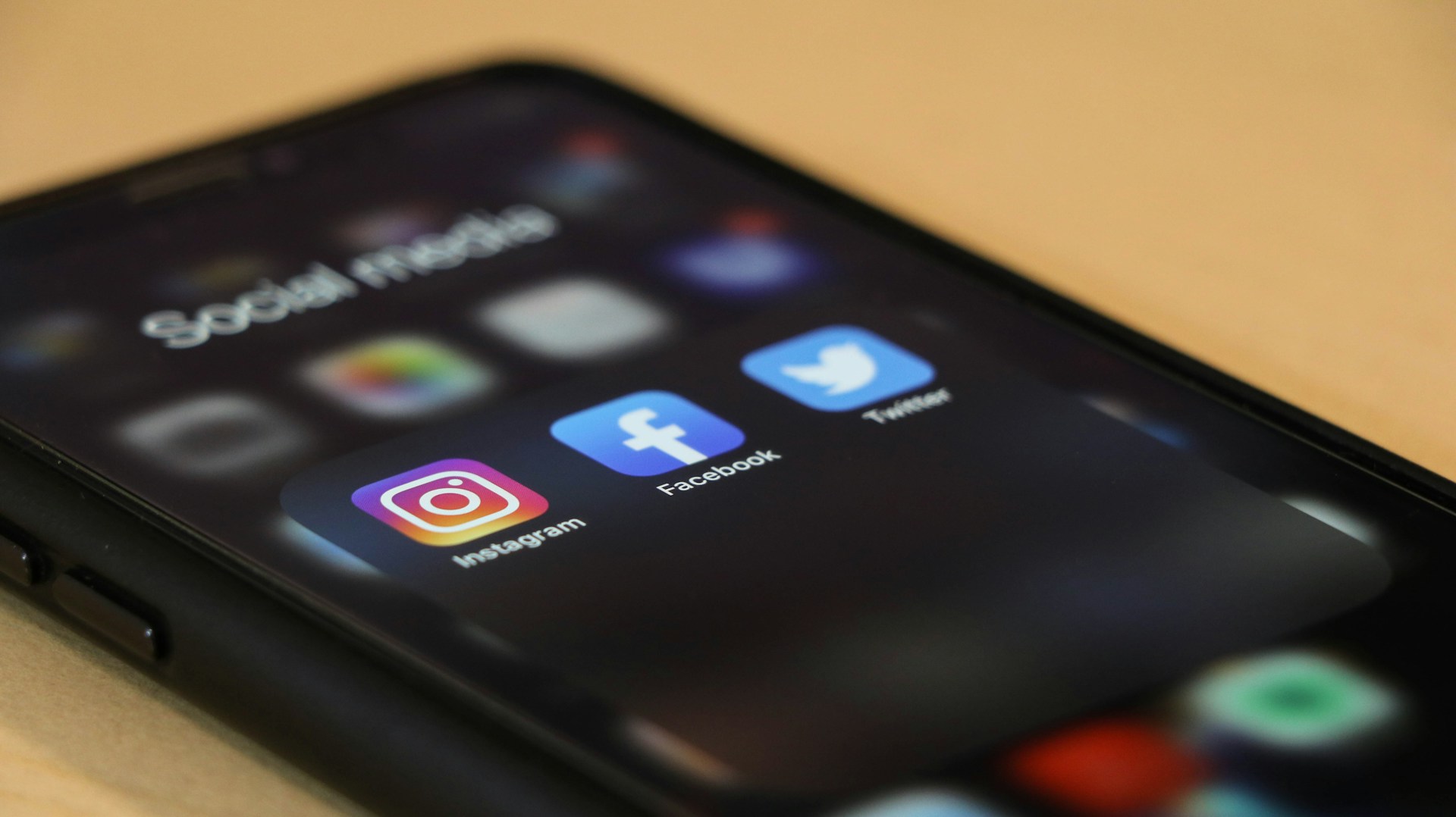
Discover which platform, Facebook Shops or Instagram Shops, sells more. Compare features, audiences, and what’s best for your business.
Key Takeaways
- Facebook Shops reach a broader, mixed-age audience, making them ideal for established brands.
- Instagram Shops drive faster sales through visuals and impulse buying.
- Choosing between them depends on your product type and customer habits.
- Small, customizable products (like customized keychains) perform well on both.
Introduction: The Great Social Shopping Showdown
Once upon a time, Facebook was where people shared memes, and Instagram was where you showed off brunch. Now? They’ve both turned into full-blown shopping malls with virtual checkouts.
But here’s the real question: if you’re a business trying actually to sell stuff, which platform does better? Facebook Shops or Instagram Shops? They’re owned by the same company, sure, but the audiences and buying habits couldn’t be more different. Let’s break it down without the jargon, the hype, or the “guru” talk. Just real insights, one scroll at a time.
Understanding How Social Shopping Works
Social commerce isn’t just “posting a product and hoping someone buys it.” It’s an entire mini e-commerce system living inside your favorite apps.
Facebook Shops and Instagram Shops both enable you to upload products, tag them in posts, and direct customers to checkout without leaving the platform. That’s convenient. But the way people browse and buy is what makes the difference.
Facebook is like a department store, it’s organized, familiar, and full of loyal regulars. Instagram, on the other hand, is like a trendy boutique with visuals, fast-moving, and driven by impulse. Facebook and Instagram ads are both structured differently as well. Both work. But not for the same reasons.
Facebook Shops — The Familiar Workhorse
Who It’s Best For
Facebook’s strength lies in reach and relationships. If your audience skews slightly older or you rely on repeat customers who appreciate updates, it’s a goldmine. Community-based businesses, such as local retailers, service brands, or small manufacturers, often experience steady engagement here. People spend time reading reviews, joining groups, and sharing recommendations. That slower pace builds trust.
The Selling Style
The buying process on Facebook feels familiar. Shoppers tend to browse casually, click through product descriptions, and ask questions before making a purchase. You can chat directly in Messenger, run targeted ads, and retarget people who’ve interacted with your page. It’s not flashy, but it’s effective.
If your product has a story or a sense of craftsmanship, such as handmade jewelry, personalized mugs, or beautifully customized keychains. Facebook provides you with space to tell it. That’s what wins customers there: storytelling and trust, not just pretty pictures.
Instagram Shops — The Visual Powerhouse
Who It’s Best For
If Facebook is the slow burn, Instagram is an instant attraction. The platform thrives on visuals, making it a paradise for lifestyle, fashion, and accessory brands. When users see a product in a beautifully styled photo or a quick Reel, they don’t overthink it. They click. They buy—end of story. This makes Instagram perfect for products that catch the eye — anything bright, shiny, or personal.
The Selling Style
Instagram is all about the scroll. People aren’t coming there to read product specs; they’re there for the vibe. Captions should be concise, visuals should be bold, and your brand identity should be consistent. Shopping tags on posts and stories make it easy to go from “That’s cute” to “It’s in my cart.” It’s impulse shopping at its finest.
The downside? Competition. Every brand is trying to stand out in a feed filled with perfect lighting and influencers smiling in slow motion. However, if you nail your visuals, even a small brand can experience an overnight surge in popularity.
Comparing Key Features — Side by Side
| Feature | Facebook Shops | Instagram Shops |
| Audience | Broader, older demographic | Younger, visually driven |
| Buying Speed | Slower, research-based | Fast, impulse-driven |
| Ad Tools | Excellent targeting and retargeting | Seamless integration with influencers |
| Content Type | Text, reviews, and video | Reels, Stories, product tags |
| Best For | Relationship-driven brands | Visual, lifestyle, or fashion products |
Which One Actually Sells More?
Here’s the truth — it depends on your audience.
Studies and anecdotal data indicate that Instagram Shops tend to have higher conversion rates for lower-cost, visually appealing items. However, Facebook Shops tend to generate higher total revenue for repeat customers and community-driven brands.
In other words:
- Instagram wins on speed and discovery.
- Facebook wins on loyalty and consistency.
If your business sells something quick and giftable, such as custom jewelry charms, stickers, or even customized keychains, Instagram’s impulse-driven audience may deliver more sales per view. But if you’re looking to build relationships and long-term repeat buyers, Facebook’s ecosystem pays off over time.
Both can work together, too. Many brands tag the same product on both platforms, allowing customers to choose where to shop.
How to Choose What’s Right for You
Ask Yourself These Questions
Before picking a side, think about:
- Who is my ideal customer?
- How do they shop — through emotion or research?
- Am I selling visually appealing products or service-based items?
- Do I have time to keep up with daily posts and engagement?
If your customers respond to visuals and storytelling, start with Instagram. If they prefer personal interactions, Facebook might be a better home.
The Smart Move — Use Both Strategically
Here’s a little secret: the best brands don’t pick one. They integrate both.
Post lifestyle imagery and reels on Instagram to spark curiosity, then use Facebook to close the deal. Run retargeting ads to bring back people who browsed your products but didn’t make a purchase. Create a community group around your niche for something as specific as “Eco-Friendly Gifts for Entrepreneurs”- and tag products directly in posts.
Even small businesses can manage both with scheduling tools like Meta Business Suite. The key is to make it seamless, not split.
The Verdict (and a Small Reality Check)
If you had to choose one purely for sales velocity, Instagram Shops edges ahead. However, if you’re in this for the long haul and building relationships, trust, and a brand that customers return to year after year, Facebook Shops holds its ground.
The truth is, neither is magic. It’s not about algorithms or perfect lighting. It’s about connecting with real people who believe in what you make, whether that’s artisanal coffee, handmade jewelry, or a batch of customized keychains you designed on a late Friday night. Whichever platform you choose, consistency always beats perfection.
Conclusion: Sell Smart, Not Hard
Ultimately, both Facebook and Instagram Shops present incredible opportunities. The most innovative businesses adapt. They experiment, test, and figure out where their customers are most likely to click “Add to Cart.”
If your visuals are strong, your story is authentic, and your products deliver real value, you’ll sell on either platform. The only real difference is where your audience likes to hang out when they’re procrastinating. And honestly? That might be the most reliable sales metric of all.
Was this news helpful?
 Yes, great stuff!
 I’m not sure
 No, doesn’t relate