



Building Resilient Industrial Supply Chains for Any Uncertainty

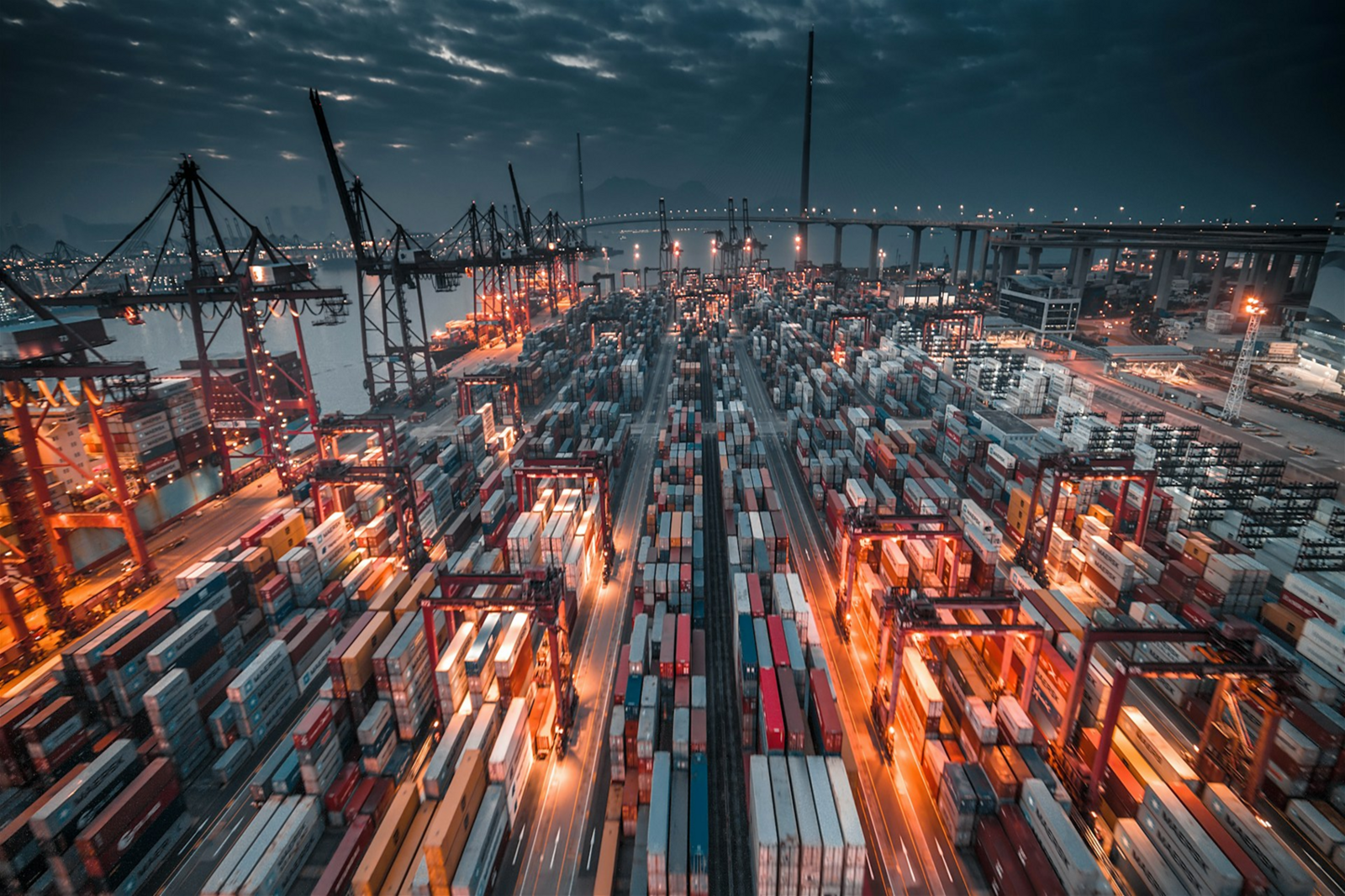
Resilient industrial supply chains: top risks, strategies, and examples to protect revenue, speed recovery, and keep customers informed.
Disruptions continue to test global operations. Manufacturing, technology and travel leaders need resilient supply chains to keep products moving when parts run short or routes close. Teams that plan ahead protect revenue, keep customers informed and recover faster than competitors.
Key Challenges Facing Industrial Supply Chains
Global networks open doors yet raise risk. Suppliers follow different rules and time zones, so a late part in one place ripples everywhere. A small snag becomes a missed order when teams cannot see past their direct suppliers.
People keep the system moving. Labor gaps slow planning and maintenance because plants cannot hire enough skilled planners and technicians. Research shows that workforce recruitment and retention represent a top challenge for manufacturers.
Transport remains fragile. For example, rerouting around the Red Sea added time and cost for many lanes, forcing companies to change schedules and inventory positions. Several carriers sailed around the Cape of Good Hope to avoid attacks, which extended voyages and strained capacity.
Cyber risk lives on the factory floor, too. A single ransomware attack can freeze planning tools and stall the warehouse, while a bad firmware update can sideline robots and CNC machines in minutes. So teams must secure two fronts simultaneously — the office network and the production equipment.
7 Strategies to Build Resilient Supply Chains
These methods can reduce single points of failure and cut recovery time. Each one is best for particular applications and delivers several benefits.
1. Diversify Suppliers and Sourcing Locations
Do not depend on one supplier for key parts — choose sources in different regions so one event cannot hit them all at once. Keep a nearby backup ready to go and place small test orders to keep it ready. If a storm, new rules or a strike hits one region, switch fast and keep the line running.
2. Invest in Digital Supply Chain Technologies
Use tools that give real-time visibility from suppliers to customers. Artificial intelligence and the Internet of Things help teams see delays sooner, test “what-if” plans and automate routine actions. Practical pillars for visibility, risk sensing and faster response across planning and logistics help operations adapt during shocks.
3. Strengthen Risk Management and Scenario Planning
Run quick practice drills that mimic real problems, then time how fast each plant, supplier and route can recover. Close the gaps with safety stock, backup suppliers or standby contracts.
Here are four high-value scenarios to practice:
- A key supplier shuts down for 30 days.
- A primary port closes or a rail strike halts service.
- A cyberattack locks the enterprise resource planning or warehouse management system.
- An export rule restricts a critical input.
Teams that rehearse these moves decide faster under pressure and avoid panic buys.
4. Foster Collaboration and Strong Supplier Relationships
Share future demand, design changes and quality results with partners. Hold short regular check-ins that focus on risk, not just price. Supplier relationships work when both sides set clear expectations, communicate consistently and solve problems for the long term. Agree on shared metrics and the first 24-hour actions during a disruption so everyone moves in the same direction.
5. Build Agile and Flexible Logistics Networks
Build a network that can pivot. Use ocean, air, rail and road in the same playbook so a single snag does not stop the flow. Keep a small buffer of inventory near customers to ride out long-haul delays.
Use these simple moves:
- Pre-book backup carriers and alternate ports with clear trigger rules.
- Use cross-docking and postponement to finish products later.
- Hold small strategic stock in shared warehouses near key markets.
These steps cut rush costs when a route fails and keep service steady during peak season.
6. Design for Durability and Circularity
Start with durability. Build products that last longer and use standard parts where possible. Fewer breakdowns and warranty claims free capacity and shorten lead times.
Use strong joining methods to keep machines running. Electron beam welding fuses metal with a focused stream of high-speed electrons. The beam turns its energy into heat on contact, and teams run the process in a vacuum to prevent oxidation and beam scattering so joints stay strong and consistent.
Circular practices add another buffer. Teams reclaim high-value materials, refurbish components and design for easy disassembly. This approach reduces waste and lowers reliance on scarce inputs during shortages.
7. Upskill the Workforce and Apply Smart Automation
Teach buyers, planners and technicians the data tools that spot delays early and suggest the next steps. Add collaborative robots and automated checks to handle repeat work, then cross-train operators on the critical steps so that if someone is out, the line continues moving. Start with one line, measure the gains and then scale across the plant.
Real-World Examples of Leaders in Supply Chain Resilience
Recent programs show how firms turn risk into action.
Topsoe Anchors a New U.S. Supply Base
The Danish energy company built a large electrolyzer facility in Virginia but lacked a domestic supply chain for key parts. Through the MEP National Network, Topsoe connected with roughly 12,000 potential suppliers and identified 35 that met requirements. The effort shifted critical sourcing closer to the plant, cut search time and strengthened quality oversight.
Greno Industries Stabilizes Delivery With Better Supplier Management
The precision machining firm Greno faced delays from upstream partners. Working with New York’s Center for Economic Growth, it completed a supply chain assessment, improved communication and reduced lead times. The changes kept orders on schedule and reduced rework.
These examples highlight two repeatable strategies. First, use broad supplier-scouting networks to diversify and localize critical inputs. Second, run structured assessments that turn vague delays into clear actions on quality, scheduling and capacity.
What Is Next for Industrial Supply Chains?
AI will move from just warning to doing. It will rebook shipments, adjust orders and flag costs while a manager approves the plan. A single live dashboard will show suppliers, plants and carriers so problems can be fixed before they spread.
Greener moves will become standard. Companies will shift more freight to rail or sea when schedules allow. Fleets will add electric trucks and low-carbon fuels, and contracts will set carbon targets alongside price and service.
Regarding production, teams will delay the final steps until the last mile so that the products match the real demand. Microfactories, 3D printing and local partners will cover small runs and spare parts when a supplier drops.
Data will also travel with the product. Digital passports will record materials, service history and recycling paths. Strong cyber rules and offline guidelines will keep lines running during attacks.
Finally, as skills evolve, planners will coach AI, automate routine work and focus on exceptions. Finance will keep cash buffers and speed payments to help smaller suppliers stay steady during shocks.
The Path to Resilient Supply Chains
Resilience grows through steady practice. Teams pick one critical part, add a proven backup supplier and route, then place a small test order. They launch a simple risk dashboard and run drills each month. Leaders then keep score, share wins and fix weak spots fast. These habits cut surprises and keep the service steady even when conditions change.
Was this news helpful?
 Yes, great stuff!
 I’m not sure
 No, doesn’t relate