

AI Shopping Assistants: The Next Big Upgrade in E-Commerce Customer Experience

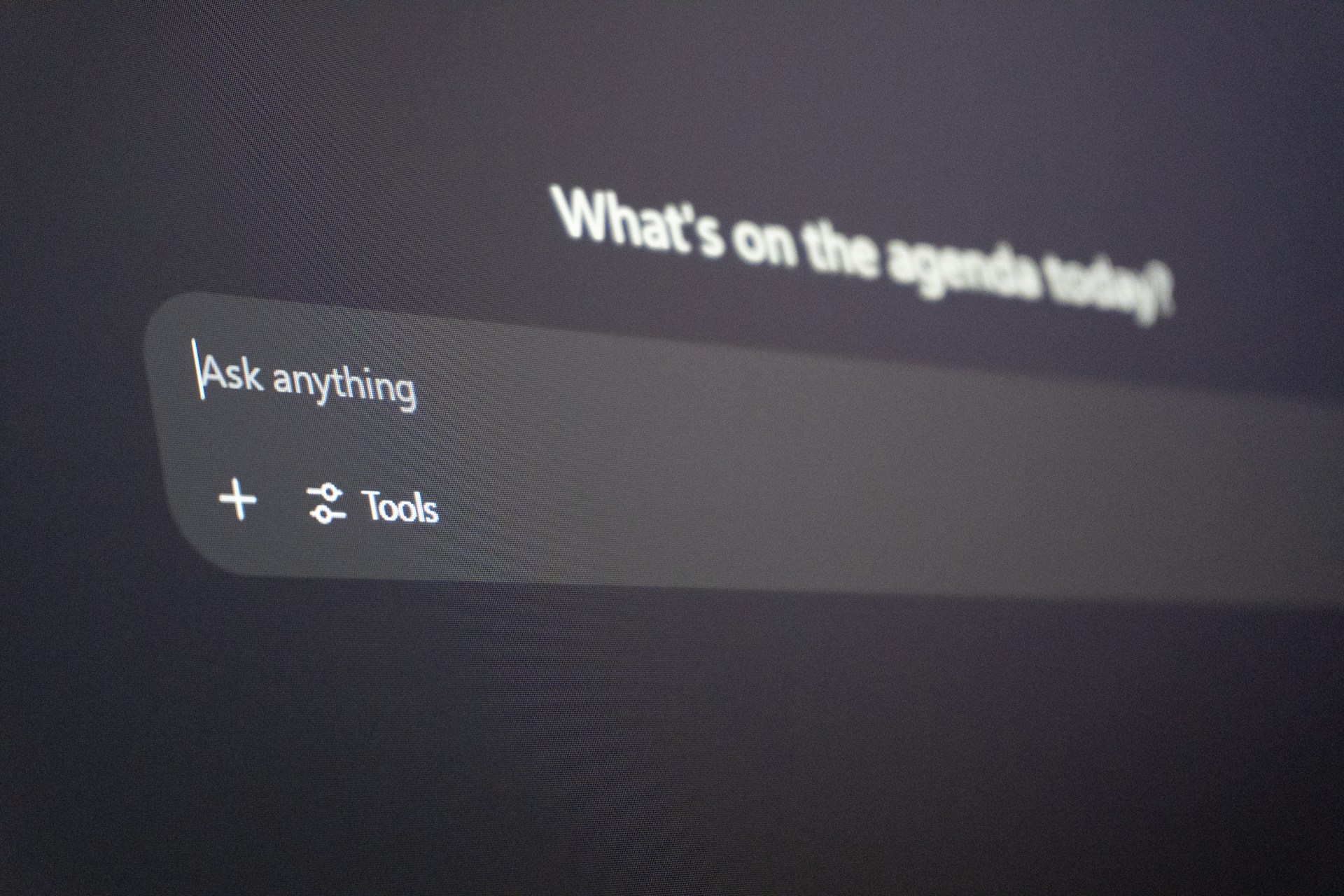
AI shopping assistants offer instant help, tailored recommendations, and seamless product discovery, making online shopping faster, smarter, and more engaging.
In the fast-moving world of e-commerce, customer expectations are changing faster than ever. Today’s shoppers want instant answers, personalized recommendations, and a seamless buying journey from search to checkout. Traditional product filters and static content can no longer keep up with the demand for speed and personalization.
This is where AI shopping assistants are creating a massive shift.
Powered by advanced language models, real-time data, and intelligent product understanding, AI shopping assistants are transforming how customers search, discover, and purchase products online. For businesses, they unlock new levels of conversion, engagement, and customer satisfaction that were previously impossible.
In this post, we’ll break down why AI shopping assistants are becoming essential for modern eCommerce sellers, the benefits they bring to both shoppers and retailers, and how forward-thinking brands are using them to stay ahead.
What Is an AI Shopping Assistant?
An AI shopping assistant is a conversational, intelligent tool embedded on an e-commerce website or app. It interacts with customers in real time just like a personal sales expert helping them:
- Find products faster
- Compare items
- Understand features and specs
- Get personalized recommendations
- Ask questions in natural language
- Make confident purchase decisions
Built using advanced AI and machine learning, these assistants analyze user behavior, product data, and conversation patterns to deliver highly accurate, context-aware responses.
In simple terms: It’s like having your smartest salesperson available 24/7 for every customer.
Why AI Shopping Assistants Are Transforming E-Commerce
1. They Deliver Real-Time, Human-Like Support
Unlike static FAQs or knowledge bases, AI assistants provide instant answers.
Customers don’t have to browse multiple pages or guess which filters to apply they simply ask:
- “Which laptop is best for graphic design under $1500?”
- “Show me silver picture frames in 8×10.”
- “What’s the difference between Dyson V10 and V11?”
The assistant interprets the question and returns the most relevant products or information instantly reducing frustration and eliminating drop-offs.
2. They Boost Conversions by Guiding the Buying Journey
Most shoppers leave a website because they can’t find what they need.
AI assistants solve this by:
- Understanding intent
- Offering personalized alternatives
- Highlighting best-selling or high-value products
- Suggesting complementary items (bundles, accessories, add-ons)
This level of personalized guidance significantly increases conversion rates and average order value.
3. They Improve Product Discoverability
Traditional search engines often miss context.
For example, a customer searching “eco-friendly gift under ₹2000” may not get relevant results with a normal site search.
AI assistants understand:
- Attributes
- Preferences
- Intent
- Price brackets
- Use cases
This makes product discovery effortless even with large catalogs containing thousands of SKUs.
4. They Personalize the Entire Experience
AI shopping assistants learn from:
- Customer behavior
- Past purchases
- Browsing patterns
- Demographic data
- Real-time interactions
This enables tailored recommendations such as:
- “You might like these silver Christmas ornaments.”
- “Other users who bought this camera also purchased these lenses.”
- “Based on your style preferences, here are the top home décor picks.”
Shoppers feel understood leading to higher engagement and loyalty.
Use Cases Across E-Commerce Industries
Fashion & Apparel
AI assistants help customers with:
- Size guidance
- Styling suggestions
- Outfit recommendations
- Color matching
Example: “Show me shirts that match this blue blazer.”
Electronics
They assist with:
- Feature comparison
- Compatibility checks
- Tech-spec explanations
Example: “Does this vacuum come with a HEPA filter?”
Home Décor & Gifts
Perfect for product discovery:
- “Best silver frames for wedding photos”
- “Christmas theme décor ideas under $50”
Beauty & Wellness
They guide choices based on:
- Skin type
- Ingredients
- Concerns
Example: “Which moisturizer is best for oily skin in winter?”
How AI Shopping Assistants Increase Revenue
✔ Higher Conversion Rates
Personalized guidance leads customers directly to products that fit their needs.
✔ Larger Average Order Value
Smart cross-selling and bundling result in bigger carts.
✔ Reduced Returns
Accurate product matches decrease buyer confusion and mismatched purchases.
✔ Better Customer Retention
Shoppers return when they have a smooth, intuitive experience.
✔ 24/7 Sales Support
Your store never closes and customers love always-on availability.
What Makes a Great AI Shopping Assistant?
To be effective, an AI assistant must offer more than basic chat automation. It should include:
1. Product-Aware Intelligence
Deep understanding of product attributes, categories, and descriptions.
2. Natural Language Understanding (NLU)
Ability to interpret complex questions and respond accurately.
3. Real-Time Catalog Sync
Instant updates from product feeds to avoid outdated results.
4. Conversational Search & Discovery
An intuitive, chat-driven approach to browsing.
5. Smart Merchandising Controls
Allowing store owners to control featured products and promotional priorities.
6. Accurate Comparisons & Explanations
Helping users choose wisely without overwhelm.
Why Brands Are Adopting AI Shopping Assistants in 2025
With competition at an all-time high, retailers are realizing that customer experience not discounts is the true differentiator.
AI shopping assistants provide:
- Faster support
- Fewer drop-offs
- More personalized journeys
- Better product discovery
- Higher engagement
Shoppers expect intuitive, conversational, and intelligent shopping and businesses that adopt AI early will lead the next wave of e-commerce innovation.
Final Thoughts: The Future of Online Shopping Is Conversational
AI shopping assistant are no longer optional; they’re becoming a standard.
From improving user experience to unlocking new revenue, they empower both customers and retailers in remarkable ways.
Was this news helpful?
 Yes, great stuff!
 I’m not sure
 No, doesn’t relate