



Wire Mesh in Modern Architectural Design: Beyond Reinforcement to Aesthetic Expression

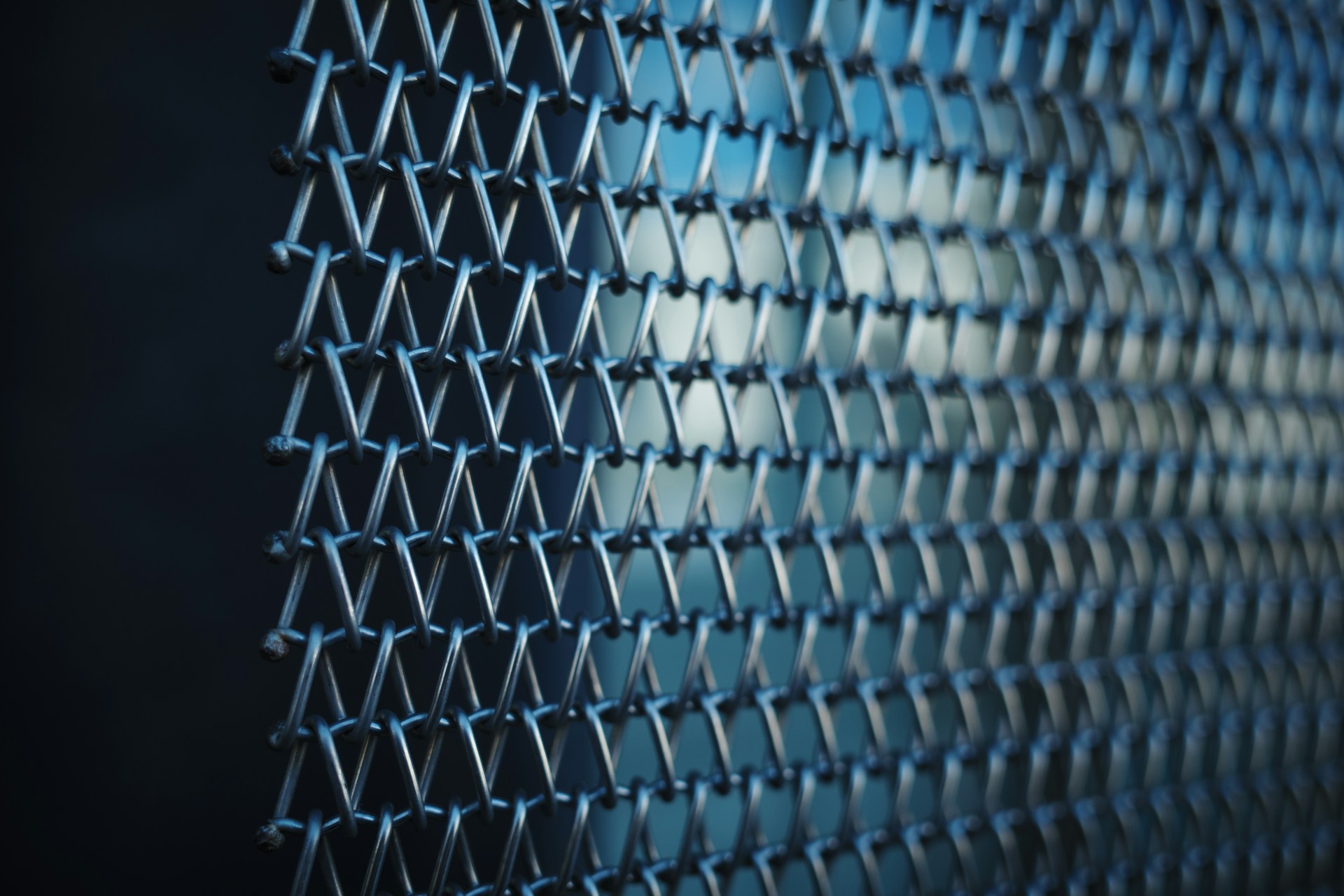
Wire Mesh in Modern Architectural Design: Beyond Reinforcement to Aesthetic Expression
Wire mesh design is foundational to architecture. Valued for its strength and consistent performance in structural applications, it has traditionally reinforced concrete and supported safety systems across commercial and industrial projects. Its role has expanded beyond pure utility. Architects are increasingly integrating it into visually expressive elements.
Today, it functions as a structural solution and a design feature, shaping facades and adding texture to built environments. This shift highlights how wire mesh delivers durability and performance while contributing to the visual identity of modern architecture.
The Traditional Role of Wire Mesh in Architecture
Wire mesh is central to construction. It supports structural systems through reinforcement, load distribution, and improved integrity. It has been widely used to control cracking and extend the lifespan of concrete elements in horizontal and vertical applications.
In structural engineering, reinforced concrete beams wrapped with wire mesh demonstrate their performance benefits. The mesh enhances flexural strength and helps reduce deflection without damage.
Common applications include concrete slabs and safety barriers, where consistent strength and flexibility are essential. Its durability and cost-efficiency across different project requirements have made wire mesh a staple in traditional and modern construction practices.
Material Properties That Enable Design Flexibility
Wire mesh is critical to modern architectural design due to its high strength-to-weight ratio, which supports structural performance without adding excessive load. It is available in materials such as stainless steel, aluminum and galvanized steel, each offering distinct advantages in durability and corrosion resistance.
A wide range of weaves and surface treatments allows architects to tailor mesh systems to specific design intents, from subtle textures to bold visual statements.
Flat top crimping, a popular choice in architecture, creates a smooth surface that enables materials and visual elements to flow seamlessly. Its inherent transparency and permeability further influence how light and sightlines interact with a space, shaping functional outcomes and aesthetic experience.
Transition From Utility to Design Element
Architectural priorities have shifted toward expressive, multifunctional materials. Projects demand performance and identity. Wire mesh design has become central to this transformation. Buildings continue to grow more complex as the industry works toward climate-neutral goals, which increases pressure on materials to meet higher standards for energy efficiency and adaptability.
Modern and contemporary design movements have encouraged experimentation with texture and layered systems, pushing materials beyond traditional roles. Digital fabrication and parametric design further expand these possibilities to enable precise customization and intricate geometries that were previously difficult to achieve.
These trends have driven growing demand for materials that seamlessly merge engineering performance with visual storytelling in advanced architectural applications.
Wire Mesh Design as an Architectural Facade Solution
Wire mesh has become a versatile solution for building envelopes and exterior cladding because it offers functional performance and visual depth. It supports solar shading and improved energy efficiency by regulating heat gain and airflow across the facade. Architects use it to create dynamic, layered systems that add dimension while maintaining lightweight construction.
Mesh facades shift in appearance throughout the day, responding to changing light conditions and environmental factors. This interaction creates a dynamic exterior that enhances building performance and architectural expression. Perforation density and panel spacing can be adjusted to fine-tune light diffusion and privacy levels. These variables allow designers to balance transparency and opacity while maintaining a cohesive facade system.
Interior Applications That Enhance Spatial Design
Wire mesh has become increasingly important in modern architectural design, particularly in interior applications such as partitions and decorative screens. It allows designers to maintain spatial separation while preserving openness, which improves flow without creating visual barriers. The material integrates seamlessly into staircases and feature walls and adds texture to interior environments.
Lighting interacts with the mesh surface to produce layered shadows and dynamic patterns and enhance depth within a space. This interplay between light and material transforms functional elements into visually engaging design features. Designers often pair wire mesh with wood, glass or concrete to create contrast and balance within a space. The modular nature of mesh supports flexible layouts, allowing interiors to adapt to changing functional requirements.
Customization and Artistic Expression
Wire mesh design enables architects to tailor patterns that reflect brand identity or specific design intent. It transforms a functional material into a defining visual element. With close collaboration between architects and fabricators, each installation meets aesthetic and performance requirements. Colored coatings and the integration of mixed materials expand creative possibilities, ensuring mesh systems complement or contrast with surrounding elements.
This versatility has led to the incorporation of wire mesh in public art installations and landmark projects, where it contributes to bold, recognizable architectural statements. Custom patterning techniques, including varying aperture sizes and wire orientations, allow for precise control over visual identity and texture. These design choices help create distinctive facades and installations that align with functional goals and artistic vision.
Performance Meets Aesthetics
Wire mesh allows architects and engineers to maintain structural integrity while achieving ambitious design goals, so performance is never compromised for aesthetics. Its inherent corrosion resistance and long-term durability make it suitable for demanding environments across commercial and industrial projects.
Metal wire mesh also offers excellent protective properties as a fire-stopping and explosion-isolating material, which reinforces its role in safety-critical applications.
At the same time, it balances openness with security requirements, providing visibility and airflow without sacrificing protection. Its recyclability and extended service life further support sustainable design strategies. It helps projects reduce material waste and improve life cycle performance. These qualities make it reliable for projects that require resilience and design flexibility.
As sustainability standards become more stringent, materials like wire mesh continue to gain relevance for their ability to meet environmental and performance expectations.
The Case for Sustainability and Environmental Design
Wire mesh contributes to modern architectural design by supporting passive strategies such as solar shading and natural airflow. It helps buildings regulate temperature and reduce energy demand. Its open structure allows architects to achieve performance goals while using less material compared to solid alternatives, which improves efficiency without compromising function.
The material is also highly recyclable and offers a low life cycle impact, making it a strong fit for environmentally conscious projects. In the U.S., many builders and remodelers have incorporated green building practices in response to evolving code requirements. Wire mesh aligns well with green building certifications and sustainability goals because it provides a practical solution for projects seeking environmental performance and design flexibility.
Design Considerations for Architects and Engineers
Selecting the right type is essential in wire mesh design, as performance requirements vary based on application and environmental exposure. Engineers and architects must evaluate installation methods and long-term maintenance to ensure durability and reliability. Coordination with lighting and adjacent materials is also critical to achieving functional and aesthetic outcomes.
Early-stage integration allows teams to align design intent with technical constraints and improve overall project efficiency. Material selection should consider factors like corrosion resistance and finish requirements to ensure long-term performance. Close collaboration between project stakeholders helps optimize technical execution and visual impact throughout the design process.
The Expanding Role of Wire Mesh in Modern Architecture
Wire mesh design continues to improve as a structural solution and a powerful architectural feature because it bridges performance with visual expression. It enables architects and engineers to create designs that are structurally sound and visually striking. Its versatility encourages broader exploration across applications, which makes it a compelling choice for innovative and high-performing projects.
Lou Farrell
Lou, a Senior Editor at Revolutionized, has specialized in covering Technology, Manufacturing, and Transportation topics for several years. He loves to write, and enjoys being able to share his knowledge with others however he can.
Was this news helpful?
 Yes, great stuff!
 I’m not sure
 No, doesn’t relate