

Why Your Brand Needs a Signature Aesthetic to Win

Why Your Brand Needs a Signature Aesthetic to Win
In e-commerce, standing out is a survival mechanism. Every day, consumers are bombarded with thousands of images, ads, and product listings. If your brand looks like everyone else’s, you’re essentially invisible. This is where a signature aesthetic comes in. It’s the visual “soul” of your business—the consistent look, feel, and vibe that tells a customer exactly who you are before they even read a single word of copy.
For multichannel sellers on platforms like Sellbery, the challenge is even greater. You aren’t just selling on your own site; you’re competing in the massive ecosystems of Amazon, eBay, and social commerce. To win, you need more than just a good product. You need a visual identity that hooks the eye and builds immediate trust.
The Power of Visual Storytelling
Human beings are hardwired for visual processing. Research suggests that the brain processes images 60,000 times faster than text. When a shopper lands on your page, they make a judgment about your credibility in less than 50 milliseconds. A signature aesthetic acts as a shortcut to that judgment. It communicates professionalism, quality, and personality instantly.
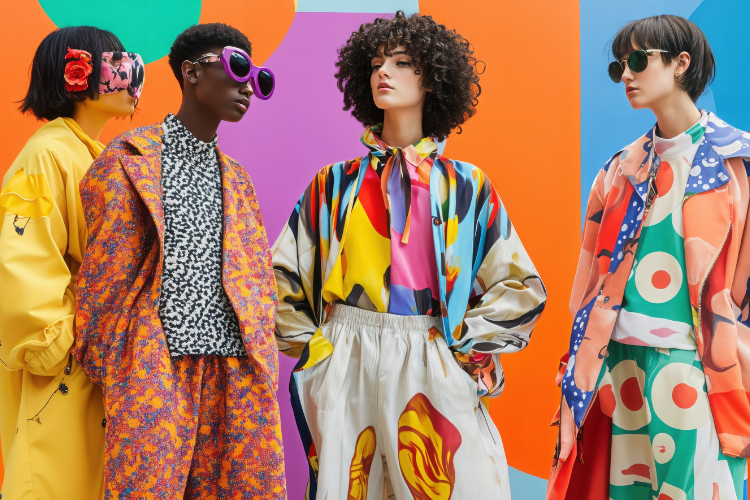
Think about the brands that dominate your own feed. You likely recognize a Nike ad or an Apple product shot without needing to see the logo. That recognition is the result of a meticulously crafted aesthetic. For high-end fashion brands, this is especially critical. For instance, Ellae Lisque has mastered this by creating a world of opulence and empowerment through their designs. Their stunning collection of sequin dresses perfectly captures a high-octane, luxurious energy that resonates with women who want to make a statement. Explore it further at ellaelisque.com. This consistency in style ensures that whenever a customer sees their content, they immediately associate it with premium quality and glamour.
Building Trust Through Consistency
Consistency is the foundation of brand trust. If your Instagram looks like a minimalist dream, but your website looks like a chaotic flea market, you create “cognitive dissonance.” The customer starts to wonder: Is this the same company? Are they actually professional?
When you maintain a signature aesthetic across all touchpoints, you signal to the customer that you are organized and reliable. In the world of online shopping, where users can’t touch or feel the product, your visual presentation is the only tangible evidence of your quality. A signature look—using the same color palettes, lighting styles, and typography—creates a cohesive experience that makes the “Buy Now” button feel much safer to click.
Psychological Impact: Color and Emotion
Your aesthetic isn’t just about “looking pretty.” It’s about psychology. Colors and layouts trigger specific emotional responses. By choosing a signature aesthetic, you are choosing how you want your customers to feel.
- Minimalism: Communicates efficiency, modernism, and high value.
- Vibrant & Bold: Communicates energy, youth, and accessibility.
- Earthy & Organic: Communicates sustainability, calm, and health.
If you are a tech brand using neon pink and glitter, you might confuse your audience unless your specific niche is “fun tech for teens.” A signature aesthetic ensures your visuals align with your brand’s mission. When your visuals match your message, you close the gap between what you say and how you are perceived.
Cutting Through the Multichannel Noise
If you’re using Sellbery to sync your products across Shopify, Etsy, and Walmart, you know that each platform has its own “vibe.” However, your brand must remain the constant. While you might adapt your images to fit the requirements of different marketplaces, your signature aesthetic should be the thread that ties them all together.
When a customer sees your product on a crowded Amazon search results page, your specific photography style should make it pop. Maybe it’s the specific way you use shadows, or perhaps it’s the way your models are posed. This visual fingerprint helps you transition a “platform shopper” (someone who just buys from Amazon) into a “brand shopper” (someone who seeks you out specifically).
How to Define Your Signature Aesthetic
Creating a signature look doesn’t happen by accident. It requires a deep dive into your brand’s DNA. Here are the steps to finding yours:
1. Define Your “Three Words”
If your brand were a person, how would you describe them? Choose three adjectives. For example: “Sleek, Professional, and Bold” or “Whimsical, Soft, and Natural.” Every visual choice you make from that point forward must pass the “Three Words” test.
2. Create a Rigid Color Palette
Limit yourself to 3–5 core colors. Use these consistently in your product photography backgrounds, your website buttons, and your social media graphics. This creates a “visual anchor” that shoppers will subconsciously associate with your products.
3. Standardize Your Lighting
Lighting is the most underrated part of an aesthetic. Do you use “Hard Lighting” with sharp shadows for a dramatic effect? Or “Soft Lighting” for a clean, commercial look? Pick one and stick to it. Mixing lighting styles is the fastest way to make a professional brand look like an amateur hobby.
Aesthetics Drive Higher Conversion Rates
The math is simple: a better aesthetic leads to higher perceived value. When a product looks like it belongs in a high-end magazine, you can often justify a higher price point. On the flip side, poor-quality visuals can make even the most expensive product look cheap.
A signature aesthetic also improves “scannability.” In the age of the “infinite scroll,” users don’t read; they scan. A consistent visual language allows them to process your offerings quickly. If they like your “vibe,” they are more likely to stop scrolling and start clicking. This reduction in “friction” is exactly what leads to higher conversion rates and lower bounce rates on your product pages.
Long-Term Brand Equity
Finally, a signature aesthetic is an investment in your brand’s future. Products come and go. Trends change. But a strong brand identity can last for decades. When you build a signature look, you are building equity. You are creating a recognizable asset that exists independently of a single product.
In the long run, winning in e-commerce isn’t about having the lowest price; it’s about having the strongest connection with your audience. A signature aesthetic is the bridge that builds that connection. It turns a one-time buyer into a lifelong fan who recognizes your brand the moment it appears on their screen.
Conclusion
A signature aesthetic is not a luxury; it is a strategic necessity. It builds trust, triggers the right emotions, and ensures your brand remains recognizable across the complex multichannel landscape. By defining your look today, you aren’t just making your store look better—you’re making your business more profitable.
Was this news helpful?
 Yes, great stuff!
 I’m not sure
 No, doesn’t relate