



What Key Factors Shape Growth Strategies For Modern Septic Businesses

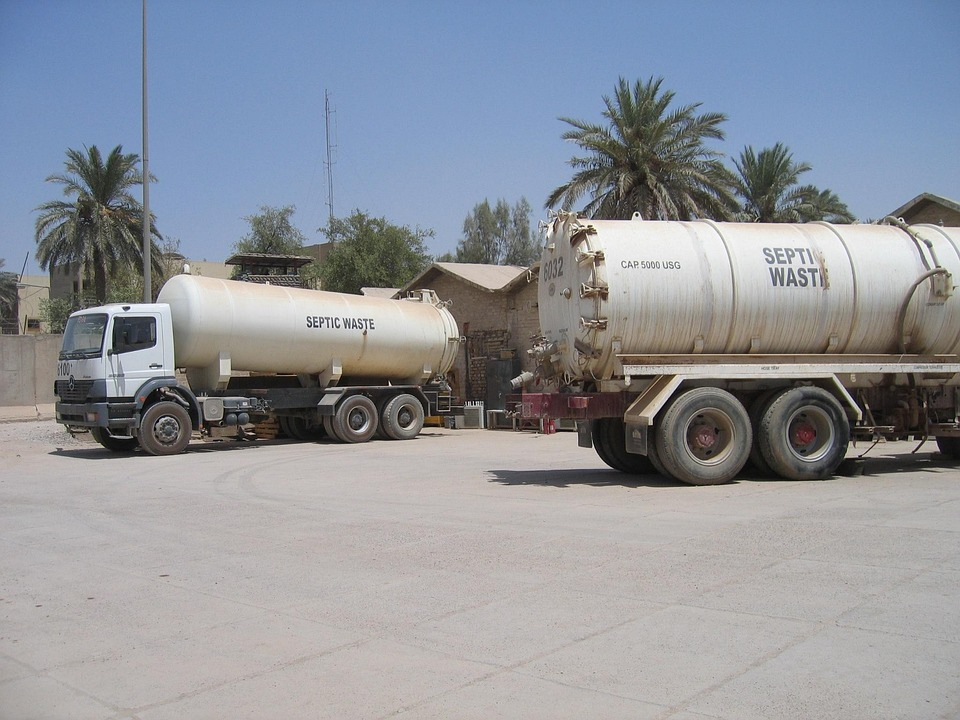
Discover the key factors that shape growth strategies for modern septic businesses, including regulation, data-driven routing, customer education, service mix optimization, route density, pricing, partnerships, compliance, and proactive care plans. Learn how streamlined operations, smart tools, and consistent training create predictable, profitable, and sustainable growth.
Septic companies grow best when everyday operations are simple, reliable, and easy to repeat. The goal is not just more calls – it is higher margin routes, fewer surprises, and customers who call you first. Use these ideas to build durable growth that works in busy seasons and slow ones.
Know Your Regulatory Vista
Rules shape your service mix, your schedules, and how you train. Federal and state agencies publish practical guidance on how onsite systems should be designed, installed, and maintained, and those standards filter down into permits and inspections you meet every week.
Treat regulation as a baseline for quality, not a hurdle, and you will find smoother approvals and fewer callbacks.
A national environmental agency’s materials outline how to develop and manage both individual and community onsite systems.
Use those documents to align internal checklists and to train techs on what inspectors expect before you roll a truck.
Use Data To Run Routes And Decisions
Data makes growth calm. Track jobs per day, miles per job, average ticket, and first-time fix rate. Review these weekly with crew leads and pick one small improvement for the next cycle.
Many teams centralize scheduling, invoicing, and routing so everyone sees the same plan. The first step is to choose a platform you can grow with, and you can compare options for software for septic service companies to see which features match your size and workflows. When the field app, the office dashboard, and accounting agree, errors drop, and you gain a day a week.
Turn Customer Education Into A Growth Engine
Confused customers delay approvals, skip maintenance, and push emergencies into weekends. A clear homeowner guide from a national onsite wastewater group explains system types, care, and common troubleshooting in plain language.
When you turn those ideas into handouts and short videos, you cut repeat questions, reduce misuse, and boost satisfaction.
Education drives upsells that help the system and the customer. Teach why baffles, effluent filters, and timed pumping protect leach fields, then bundle those into simple service plans. Every clear answer today is a future referral.
Build Route Density On Purpose
Profit in field service lives in route density. Group work by neighborhood, system type, and crew capability so windshield time drops and jobs per day rise.
Offer small booking discounts for route days in a given zone and communicate those windows in advance.
Map your seasonality. Pre-sell maintenance plans for shoulder seasons so crews stay productive when harsh weather slows installs. Density is a habit – the more you plan it, the easier each week gets.
Match Service Mix To Local Demand
Not every market needs the same menu. Track which system types dominate your territory, where new builds are planned, and which towns are tightening inspection rules.
Add or trim services to fit that reality: inspections for real estate deals, advanced treatment maintenance, grease traps, or small lift station work.
Start small with add-ons. Pilot one new service with a single crew for 60 days, price it to learn, and measure repeat bookings. Expansion sticks when it proves itself on the route sheet and the P&L.
Train For Safety, Speed, And First-Time Fix
Training that cuts 10 minutes per stop adds a full job by day’s end. Focus on safe rigging, fast setup and breakdown, and a consistent inspection flow. Standardize truck layouts so any tech can find any fitting in seconds.
Document tribal knowledge. Capture the tricky tank lids, private gates, and seasonal access issues by address so the next visit is faster. When the team sees training saves effort, they keep it up.
Price For Margin And Predictability
Price lists should reflect travel time, disposal fees, system complexity, and after-hours risk. Publish a simple core menu and use fixed-price bundles for common needs so customers say yes faster. Reserve time and materials for true unknowns.
Cash flow matters as much as price. Take deposits for larger jobs, invoice on site for standard work, and set late-fee policies that you actually use. Predictable cash lets you invest in trucks and tech without stress.
Market Where Your Next Jobs Live
Your best leads often come from places you already serve. Highlight recent projects in specific neighborhoods, share basic care tips, and show before-and-after photos that answer common worries.
Pair that with a clean Google Business Profile, fast replies, and reviews that mention punctuality, clean sites, and clear prices.
Low-Lift Marketing That Works
- Route-day postcards to nearby addresses you just serviced
- Short videos showing how to find a tank lid without tearing up a yard
- Simple comparison charts for pumping intervals by household size
- Realtor lunch-and-learns about inspection timelines and common fixes
Consistency beats flashy campaigns. A steady voice and proof of care build trust where it counts.
Protect Reputation With Safety And Environmental Stewardship
Customers want a clean yard, a clear bill, and no surprises. Crews want safe jobs and gear that works.
Build both into checklists: cone placement, hose handling, PPE, post-job site sweep, and photo documentation before you leave.
Environmental stewardship is part of your brand. Use proper disposal sites, document manifests, and explain to customers how maintenance protects groundwater. Doing the right thing is good marketing when a neighbor asks who to call.
Partner Your Way To More Work
You do not have to do everything alone. Align with builders, realtors, property managers, and municipal offices so referrals flow both ways. Offer a hotline for partner questions and a next-day slot for their clients when possible.
Vendors matter too. Reliable pump stations, parts suppliers, and disposal partners reduce downtime and help you hold your schedule. Strong partners turn rush jobs into normal days.
Add Services With A Simple Expansion Playbook
Expansion succeeds when you follow the same steps every time. Start with a mini business case, one crew pilot, and clear go or no-go criteria.
- Define the target market, common system types, and seasonality
- Price test three tiers: basic, standard, premium
- Train one crew and shadow for the first 10 jobs
- Review ticket size, callbacks, and margin at days 30 and 60
- Decide to scale, adjust, or stop based on real numbers
Small pilots protect margin and morale as you grow.
Standardize Your Tech Stack And Automations
Pick a core stack for scheduling, routing, customer comms, and financials. Automate appointment reminders, route updates, and payment requests so office time shrinks. Integrate disposal fee tracking and inventory counts so quotes match reality.
Keep it simple. New tech should remove clicks, not add them. Train once, document with screenshots, and assign an owner who updates the playbook when things change.
Make Compliance A Competitive Advantage
Permits, pump manifests, and inspection reports can be fast and clean. Pre-fill forms from your job data, store photos with address and date tags, and share finished packets the same day. Inspectors and customers will notice.
A federal program’s guidance explains how community and individual onsite systems should be managed across their life cycle. When your paperwork mirrors that structure, approvals move faster, and repeat work grows.
Reduce Callbacks With Proactive Care Plans
Offer annual or semiannual service plans that include inspection, pumping at the right interval, filter checks, and quick fixes. Price them to beat emergency calls and include small discounts on parts.
Plans smooth demand and deepen loyalty. Route plan visits by zone, and you will build the density that makes every week profitable.
Train The Office Like You Train The Field
Phones, messages, and estimates are part of the service. Script answers the top 20 questions, defines handoffs between CSR and dispatcher, and sets response time goals you can keep. Review one call a week with the team and celebrate clear, calm communication.
Back-office wins are real wins. Faster scheduling and accurate estimates turn first-time callers into repeat customers.
Track A Few KPIs And Review Them Often
Do not drown in dashboards. Choose a short list and make decisions from it.
- Jobs per route day and miles per job
- Average ticket and gross margin by service type
- First-time fix rate and callbacks per 100 jobs
- Quote-to-close rate and time from call to schedule
- Plan renewals and reviews added this month
Meet for 20 minutes each week. If a number drifts, change one behavior and watch the effect.
Document What Works And Repeat It
Growth is a process you can copy. When a crew nails a setup or a CSR handles a tough call well, capture the steps and add them to the playbook. Small improvements across many crews compound into big gains by season’s end.
A homeowner-focused user guide from a national onsite wastewater association lays out maintenance and troubleshooting that you can adapt into your own materials. Clear, consistent instructions keep systems healthy and your phones ringing for the right reasons.

Keep Your Culture Practical And Proud
People stay where the work is respected and the days are predictable. Keep trucks stocked, schedules reasonable, and wins visible. Celebrate clean yards, zero-callback weeks, and safe shifts the way others celebrate big sales.
Your crews are the brand. When they are supported and trained, customers feel it, and your calendar fills without discounting.
Modern septic businesses win by being simple to work with and hard to replace. Educate customers, plan routes, train for first-time fix, and use tools that keep the office and field in sync.
With clear standards, smart pricing, and a small set of KPIs, you will grow at a pace your team can sustain, and protect the systems and communities you serve.
Was this news helpful?
 Yes, great stuff!
 I’m not sure
 No, doesn’t relate