



What Every Entrepreneur Should Know About Payment Systems

Unlock powerful payment systems for your small business! Discover how to enhance cash flow, security, and efficiency with smart processing solutions.
According to the ABS (Australian Bureau of Statistics) 97.2% of companies in Australia have less than 20 employees in their ranks, which means that small business is the backbone of the Australian economy.
However, 20% of all new businesses fail within the first 12 months of their operation and 60% within three years, so becoming profitable and sustainable is no easy task. Despite this, many entrepreneurs continue to try, with more than 406,000 new businesses being launched in Australia in 2023.
With the current business landscape being as tough as it is, if any of them are to avoid falling by the wayside, they are going to need to maintain a good level of cash flow.
Doing this requires a high revenue in sales, that will have to be processed, which is why having a good payment system is so important.
But what exactly is a good payment system, and what benefits will it bring to your venture?
In this post, we’ll explore these questions in more detail.
What is a Good Payment System?
Every business – startup or established – needs a good payment system in place to process debit and credit card payments for sales made by their customers.
The company that processes payments for your business will provide you with a merchant account that accepts various types of digital payment methods such as credit cards, debit cards, digital wallets and even, increasingly, cryptocurrency.
Generally, businesses are charged a fee by the payment system company to rent out their processing terminals. They are also charged per sale for every sale they process through the gateway technology.
This amount can either be a percentage of the overall sales total or a flat fee, and it will vary depending on the provider. However, some companies, including Smartpay, offer packages where you don’t have to pay these costs if you meet certain conditions.
What Benefits Can Using a Robust Payment System Bring for Your Business?
According to the RBA (Reserve Bank of Australia), Aussies make 650 electronic transactions every year on average, the overwhelming majority of them to businesses.
This figure is only set to rise in the coming years which is why a good payment system can be an invaluable asset for your venture.
Thankfully, there are some tangible benefits that having a good online payment system can bring for both buyers and sellers. Below are some of the main ones:
1. Faster Processing
The modern customer wants a quick and easy process when it comes to paying for their purchases, which a good payment system provides them with.
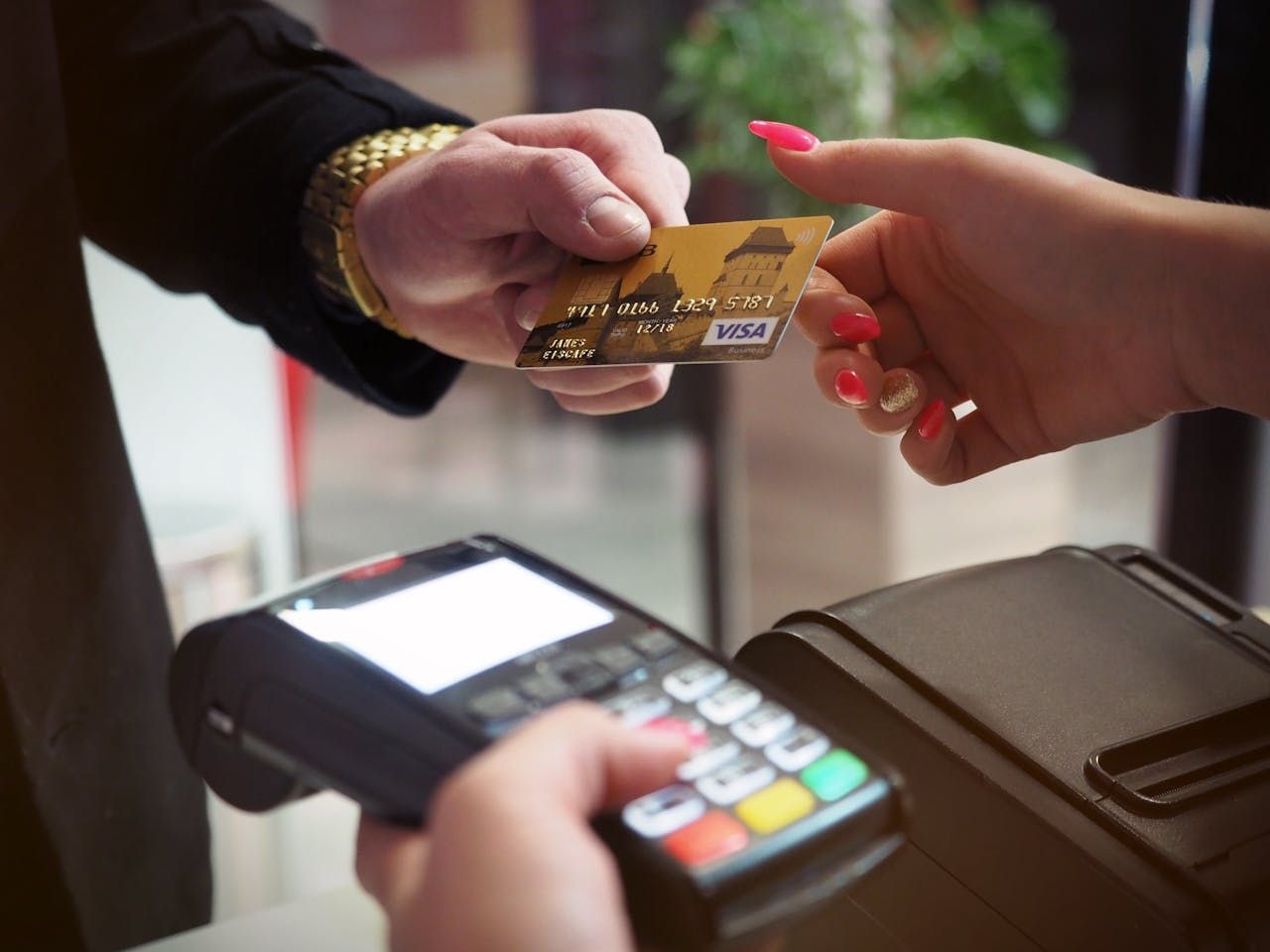
There was a time when processing transactions used to take several days. But now, they are completed in a matter of seconds, often by simply tapping a credit or debit card or placing a phone next to the card reader.
For the customer, this means shorter queuing times and an improved shopping experience. While for the merchant it results in them receiving their money quicker, which is a win-win situation for both.
2. Enhanced Security
Back in the day, many companies accepted cheques as a form of payment only to discover later that they had bounced, causing disruptions to their cash flow.
Even today, many businesses have been hit with chargebacks when customers claim to have not authorised an online purchase (often after the goods have been sent to them).
A good payment system can eradicate these threats by processing payments in real-time at the point of sale.
Additionally, these payments are processed in a very secure way, using encryption technologies that keep your customer’s details safe, and multi-factor authentication (MFA) methods to ensure fraudulent activity has not taken place.
3. Reduced Chance of Human Error occurring
Human errors can be very costly for businesses. However, with a good payment system, they are less likely to occur because the process is automated.
This means that the likelihood of situations such as invoices not being sent out, your business paying twice, or an incorrect amount being charged won’t happen, which in turn will save you money, streamline your operation and improve your overall customer experience.
4. Much Cheaper Invoicing
Research by the ATO (Australian Tax Office) has revealed that Australian businesses spend, on average, $27 to send an invoice to a customer via PDF (taking into account the cost of the employee’s time). Additionally, a paper invoice can be as much as $30 when the price of postage is considered.
By contrast, as it only costs $10 on average to send an electronic invoice to them, having a good payment system in place can potentially save businesses thousands of dollars a year.
That said, the amount they save will depend on how many invoices a business sends out per year and how quickly it creates and sends them. But nonetheless, the cost-saving opportunities are there.
5. Excellent Reporting and Analytics
Most payment processing systems will provide you with excellent reporting and analytical data that can give you valuable insights into your business and, in particular, the sales you make.
For instance, it can tell you exactly how many sales you made and of what products. It can also tell you what time of the day or week they took place.
Armed with this information, you will be able to roster staff accordingly and also better understand what products sell more than others.
This can help you improve your overall net income.
Was this news helpful?
 Yes, great stuff!
 I’m not sure
 No, doesn’t relate