

Top 10 Web Scraping Tools & APIs

Top 10 Web Scraping Tools & APIs
Whether you’re gathering competitive intelligence, monitoring prices, or feeding data into AI models, web scraping has become essential for modern businesses. But with anti-bot systems growing more sophisticated by the day, choosing the right tool can make or break your data collection efforts.
We’ve analyzed the leading web scraping solutions based on success rates, speed, pricing, and ease of use. Here’s our definitive roundup for 2025.
1. Scrape.do – Best Overall for Speed & Value
Best for: Teams needing high-volume, reliable scraping at competitive prices
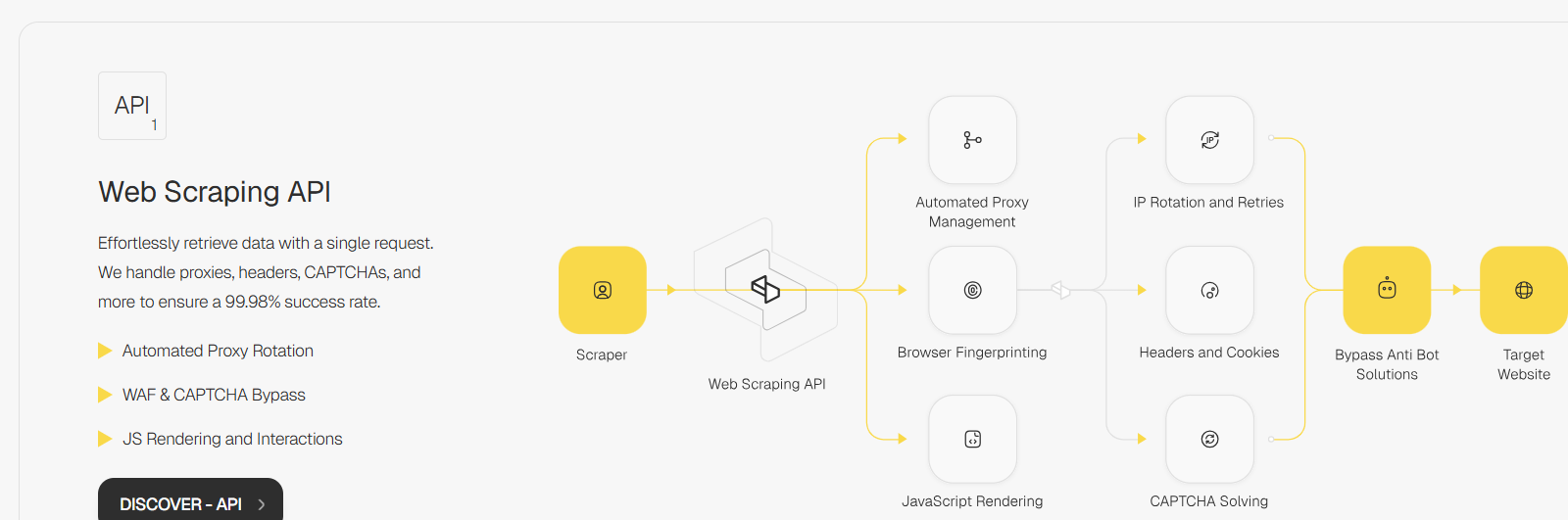
Scrape.do has emerged as a standout performer in the web scraping space, combining blazing-fast response times with industry-leading success rates. In independent benchmarks, it achieved a 98.19% success rate with an average response time of just 4.7 seconds—making it the fastest API tested.
Key Features:
- 110M+ residential, mobile, and datacenter IPs across 150+ countries
- Automatic CAPTCHA solving and anti-bot bypass
- JavaScript rendering with headless browser support
- Pay-for-success pricing model (only charged for successful requests)
Pricing: Starts at $29/month for 250,000 requests (~$0.12 per 1K requests)
Free Tier: 1,000 credits/month (refreshes monthly)
Pros:
- Fastest response times in the industry
- Transparent pricing with no hidden multipliers
- No SMS verification required to start
- Expert engineer support with <5 min response times
Cons:
- No pre-built templates for specific platforms
- Native LangChain/LlamaIndex integrations still in development
Verdict: For most scraping use cases, Scrape.do offers the best combination of performance and value. The pay-for-success model and transparent pricing make it particularly attractive for budget-conscious teams.
2. Bright Data – Best for Enterprise Scale
Best for: Large enterprises requiring maximum reliability and global coverage
Bright Data (formerly Luminati) is the 800-pound gorilla of the proxy and scraping world. With the largest proxy network available and a 98.44% success rate in testing, it’s the go-to choice for enterprises with deep pockets.
Key Features:
- 72M+ residential IPs worldwide
- Pre-built datasets for common use cases
- Web Unlocker for anti-bot bypass
- Dedicated account management
Pricing: Starts at $500/month for Web Scraper API
Free Tier: Limited trial available
Pros:
- Highest success rates in testing
- Comprehensive proxy network options
- Ready-made datasets available
- Enterprise-grade support
Cons:
- Significantly more expensive than alternatives
- Complex pricing structure
- Overkill for smaller operations
Verdict: If budget isn’t a concern and you need guaranteed reliability at massive scale, Bright Data delivers. However, most teams will find better value elsewhere.
3. ScraperAPI – Best for Beginners
Best for: Developers new to web scraping who need structured data
ScraperAPI has built a reputation for ease of use, with pre-built templates for common scraping tasks like SERP and e-commerce data extraction. It achieved a 92.70% success rate in testing.
Key Features:
- Pre-built scraping templates
- Automatic proxy rotation
- JavaScript rendering
- Structured data APIs
Pricing: Starts at $49/month for 100,000 credits
Free Tier: 5,000 credits (one-time)
Pros:
- Excellent documentation
- Pre-built templates accelerate development
- Good success rates on e-commerce sites
Cons:
- Slower response times (15+ seconds average)
- Higher cost per request ($8.49 per 1K average)
- Credit multipliers can surprise you
Verdict: Great for beginners who value convenience over cost efficiency. The templates are genuinely helpful, but you’ll pay a premium for them.
4. Oxylabs – Best Proxy Network Variety
Best for: Teams needing specific proxy types and geographic targeting
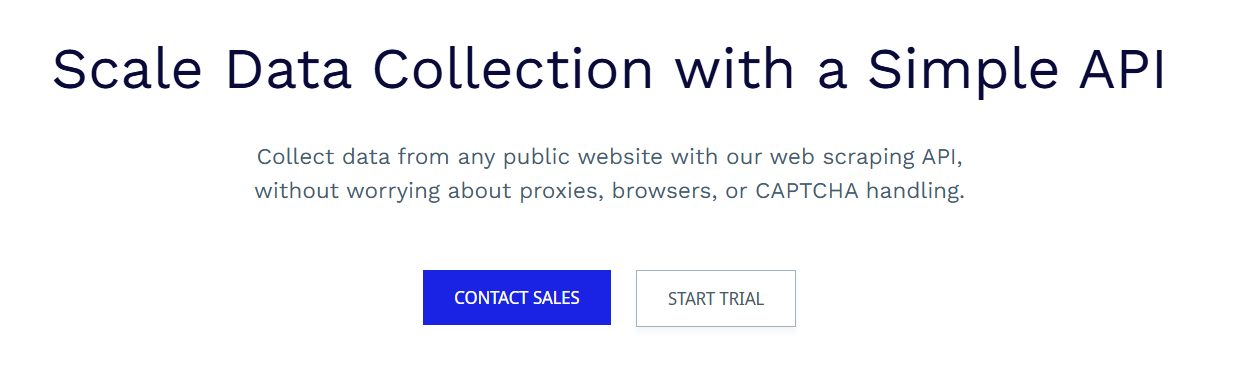
Oxylabs offers one of the most comprehensive proxy ecosystems, with dedicated products for different use cases. Their Web Unblocker achieved 92.52% success in testing.
Key Features:
- Datacenter, residential, ISP, and mobile proxies
- 195+ country coverage
- AI-powered Web Unblocker
- Video Data API for streaming content
Pricing: Starts at $75/month for 8GB bandwidth
Free Tier: Trial available
Pros:
- Massive geographic coverage
- Multiple proxy types available
- Solid success rates
Cons:
- Bandwidth-based pricing makes costs unpredictable
- Slower response times (17.5 seconds average)
- High entry price point
Verdict: Best suited for teams with specific geographic or proxy-type requirements. The bandwidth pricing model requires careful planning.
5. ZenRows – Best for Protected Sites
Best for: Scraping heavily protected websites
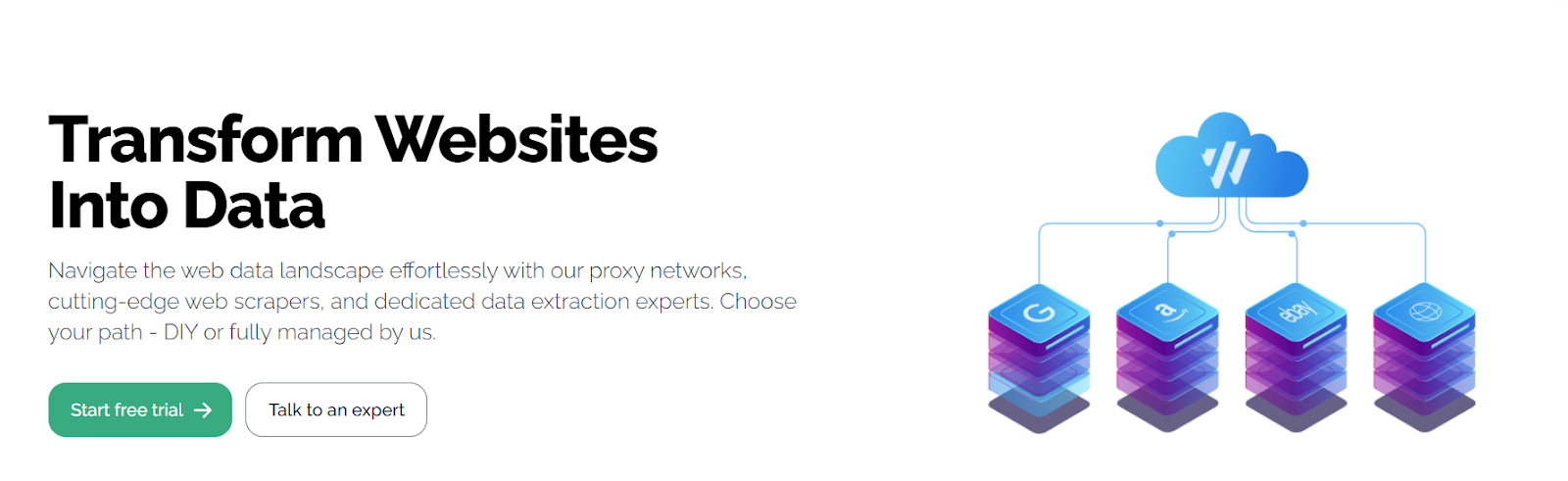
ZenRows focuses on bypassing sophisticated anti-bot systems with 55 million residential proxies. It achieved 92.64% success with 10-second average response times.
Key Features:
- 55M+ residential proxies
- Automatic anti-bot bypass
- JavaScript rendering
- 190+ country coverage
Pricing: Starts at $69/month for 250,000 credits
Free Tier: 1,000 credits
Pros:
- Strong performance on protected sites
- No default parameter traps
- Faster than most competitors
Cons:
- Forces expensive parameters on some domains
- Higher starting price
- Limited SDK support
Verdict: A solid choice for challenging targets, though the forced parameter combinations on certain domains can inflate costs unexpectedly.
6. Apify – Best for Pre-Built Scrapers
Best for: Non-developers who need ready-made scraping solutions
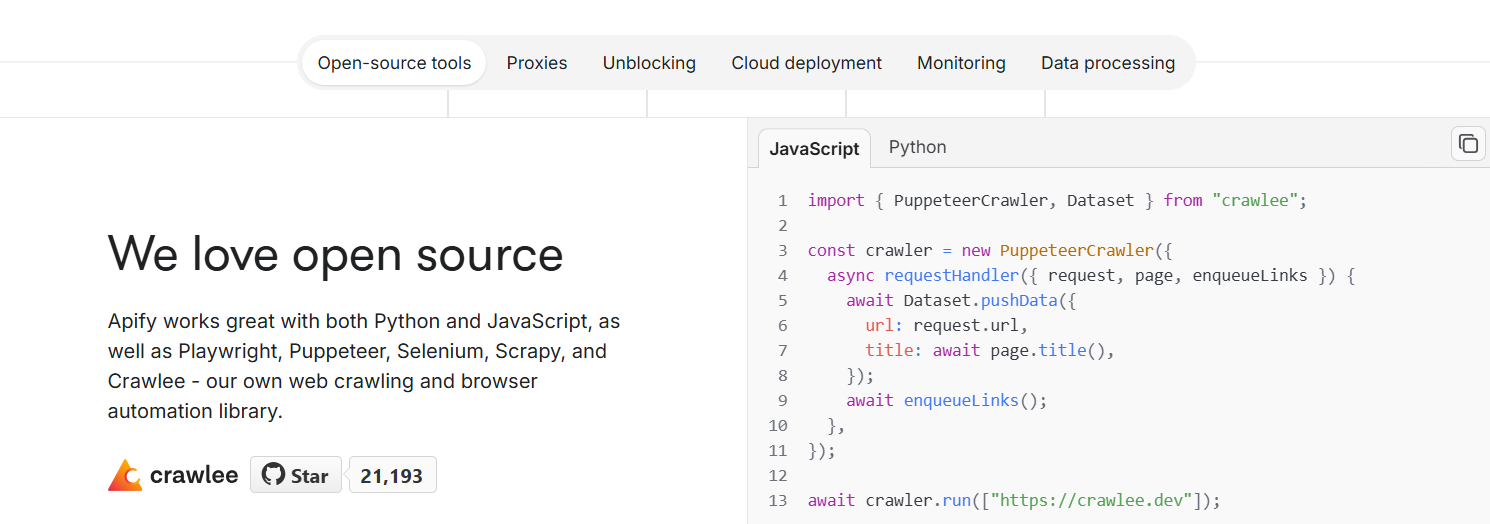
Apify takes a different approach with its “Actors” marketplace—pre-built scrapers for specific platforms like Instagram, TikTok, Amazon, and Google Maps.
Key Features:
- 1,500+ ready-made scrapers
- Visual scraper builder
- Integrations with LangChain and LlamaIndex
- Scheduled runs and webhooks
Pricing: Starts at $49/month
Free Tier: $5/month in free credits
Pros:
- Huge library of pre-built scrapers
- No coding required for many use cases
- Active community and marketplace
Cons:
- Quality varies across Actors
- Can get expensive at scale
- Less control than API-based solutions
Verdict: Perfect for teams who want to scrape specific platforms without writing code. The marketplace model is genuinely useful for common use cases.
7. ScrapingBee – Best AI Extraction
Best for: Teams wanting natural language data extraction
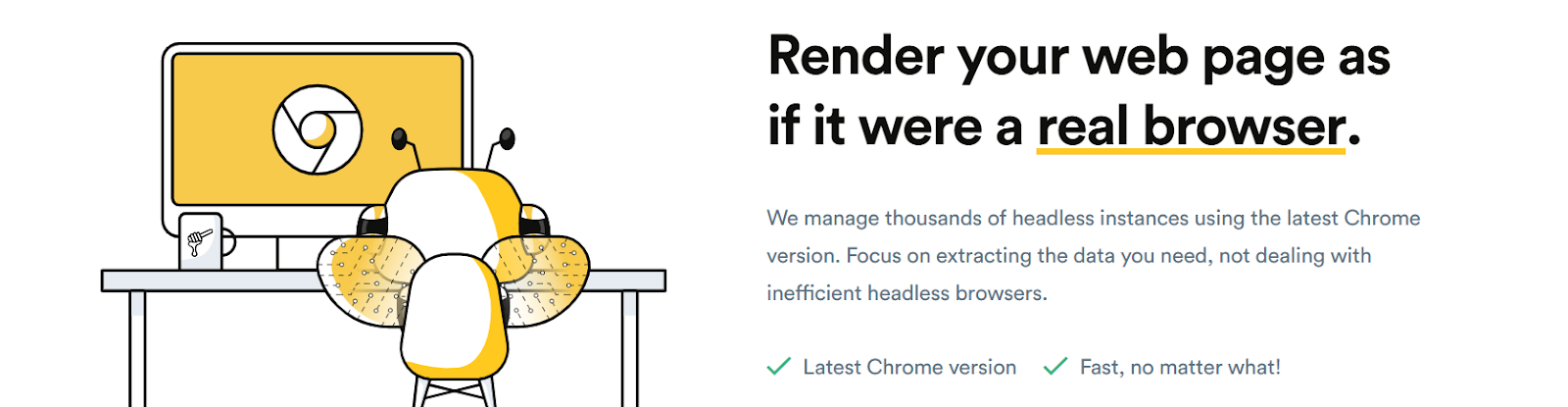
ScrapingBee combines traditional scraping with AI-powered extraction that accepts plain-English instructions for parsing data.
Key Features:
- AI extraction engine
- Headless browser management
- Rotating proxies
- Screenshot capabilities
Pricing: Starts at $49/month for 150,000 credits
Free Tier: 1,000 credits
Pros:
- AI extraction is genuinely useful
- Good documentation
- Reasonable starting price
Cons:
- JavaScript rendering enabled by default (burns credits)
- Stealth proxy tier can spike costs
- Lower success rates on protected sites
Verdict: The AI extraction feature is compelling, but watch out for default settings that can burn through credits faster than expected.
8. WebScrapingAPI – Best Free Tier
Best for: Hobbyists and small projects with limited budgets
WebScrapingAPI offers the most generous free tier at 5,000 requests monthly, making it ideal for testing and small-scale projects.
Key Features:
- Flat-rate credit system (1 credit = 1 request regardless of features)
- JavaScript rendering included
- Residential proxy access
Pricing: Starts at $19/month for 7,000 requests
Free Tier: 5,000 requests/month (forever free)
Pros:
- Best free tier available
- Simple, predictable pricing
- All features cost the same
Cons:
- Very low request count for paid plans
- Higher effective cost at scale
- Middle-tier success rates
Verdict: The free tier is excellent for testing and learning. However, for serious scraping, the paid plans offer poor value compared to competitors.
9. Scrapy – Best Open-Source Framework
Best for: Developers who want full control and no recurring costs
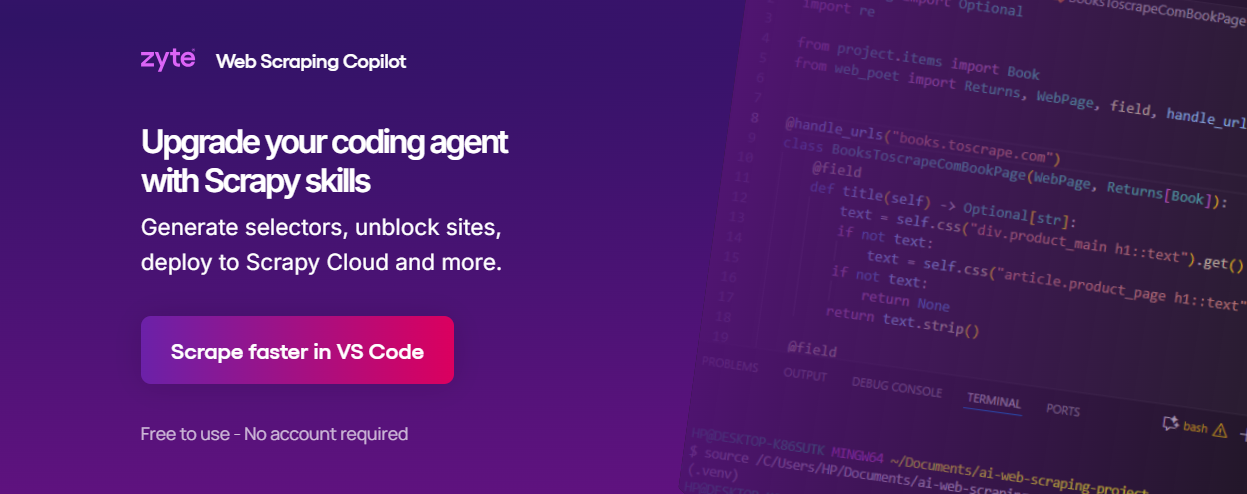
Scrapy isn’t a service—it’s a free, open-source Python framework for building custom scrapers. It’s the industry standard for developers who want complete control.
Key Features:
- Full Python framework
- Highly extensible
- Large community and ecosystem
- Integrates with cloud services
Pricing: Free (open source)
Free Tier: N/A (entirely free)
Pros:
- Completely free
- Maximum flexibility
- Huge community support
- No vendor lock-in
Cons:
- Requires coding expertise
- You handle proxies and anti-bot yourself
- Infrastructure management required
Verdict: The best choice for developers who want complete control and don’t mind handling infrastructure. Pairs well with proxy services like Scrape.do for anti-bot bypass.
10. ParseHub – Best Desktop App
Best for: Non-technical users who prefer visual tools
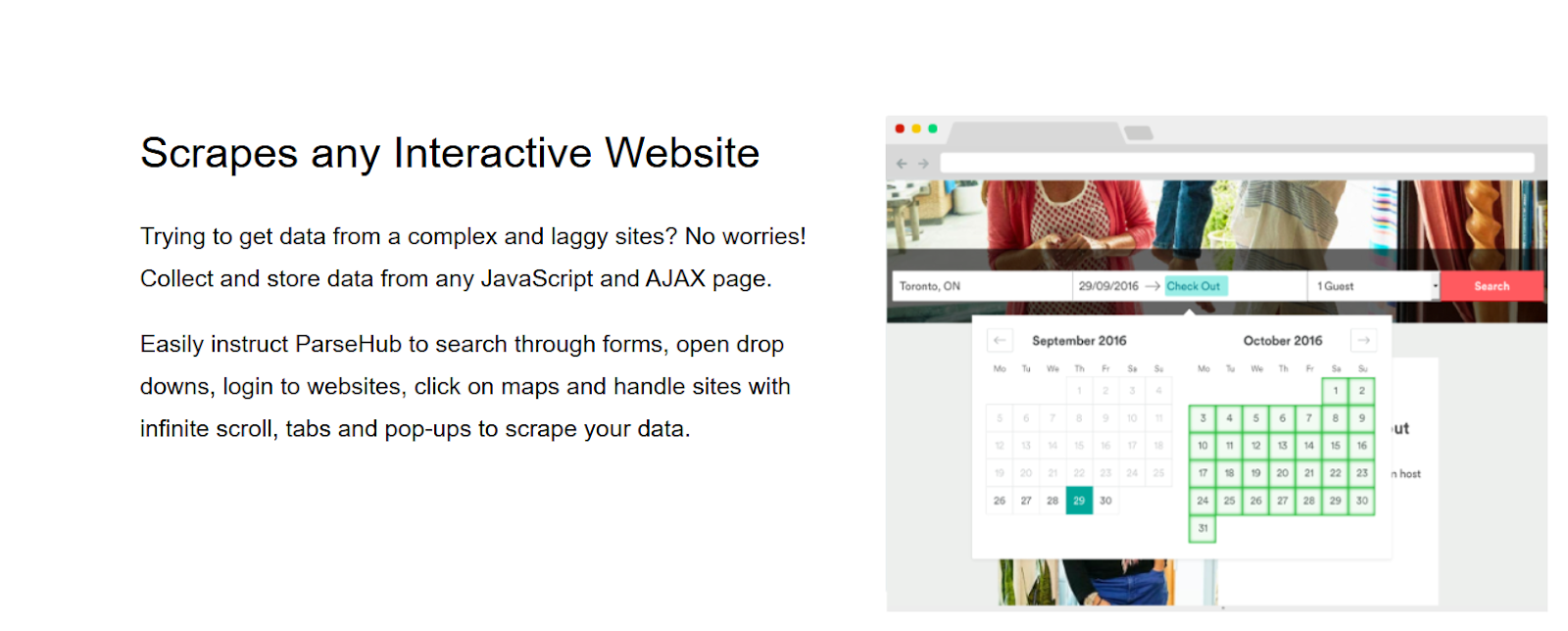
ParseHub offers a desktop application with a point-and-click interface for building scrapers without code.
Key Features:
- Visual scraper builder
- Handles JavaScript-heavy sites
- Scheduled extraction
- Cloud and desktop options
Pricing: Starts at $189/month
Free Tier: Limited free plan available
Pros:
- No coding required
- Intuitive visual interface
- Handles complex sites well
Cons:
- Expensive for what you get
- Desktop app feels dated
- Limited scalability
Verdict: Good for occasional scraping by non-technical users, but the pricing is hard to justify when API-based alternatives offer more value.
Comparison Table
| Tool | Success Rate | Avg. Speed | Starting Price | Best For |
| Scrape.do | 98.19% | 4.7s | $29/mo | Speed & value |
| Bright Data | 98.44% | 8.2s | $500/mo | Enterprise |
| ScraperAPI | 92.70% | 15.7s | $49/mo | Beginners |
| Oxylabs | 92.52% | 17.5s | $75/mo | Proxy variety |
| ZenRows | 92.64% | 10.0s | $69/mo | Protected sites |
| Apify | Varies | Varies | $49/mo | Pre-built scrapers |
| ScrapingBee | 92.70% | 11.7s | $49/mo | AI extraction |
| WebScrapingAPI | 90.84% | 12.3s | $19/mo | Free tier |
| Scrapy | DIY | DIY | Free | Full control |
| ParseHub | N/A | N/A | $189/mo | No-code |
How to Choose the Right Tool
Choose Scrape.do if: You want the best balance of speed, reliability, and cost. It’s our top recommendation for most use cases.
Choose Bright Data if: You’re an enterprise with a budget for premium services and need guaranteed results at massive scale.
Choose ScraperAPI if: You’re new to scraping and want helpful templates to get started quickly.
Choose Apify if: You need to scrape specific platforms (social media, e-commerce) without writing code.
Choose Scrapy if: You’re a developer who wants complete control and doesn’t mind managing infrastructure.
Final Thoughts
The web scraping landscape has matured significantly, with solutions available for every skill level and budget. For most teams, Scrape.do offers the optimal combination of performance, reliability, and value—delivering enterprise-grade results without enterprise pricing.
Whatever tool you choose, start with a free trial to test against your specific target sites. Success rates vary significantly depending on what you’re scraping, so real-world testing is essential before committing to a paid plan.
Was this news helpful?
 Yes, great stuff!
 I’m not sure
 No, doesn’t relate