



The Unspoken Business Risk of Understaffed Security Teams

The Unspoken Business Risk of Understaffed Security Teams
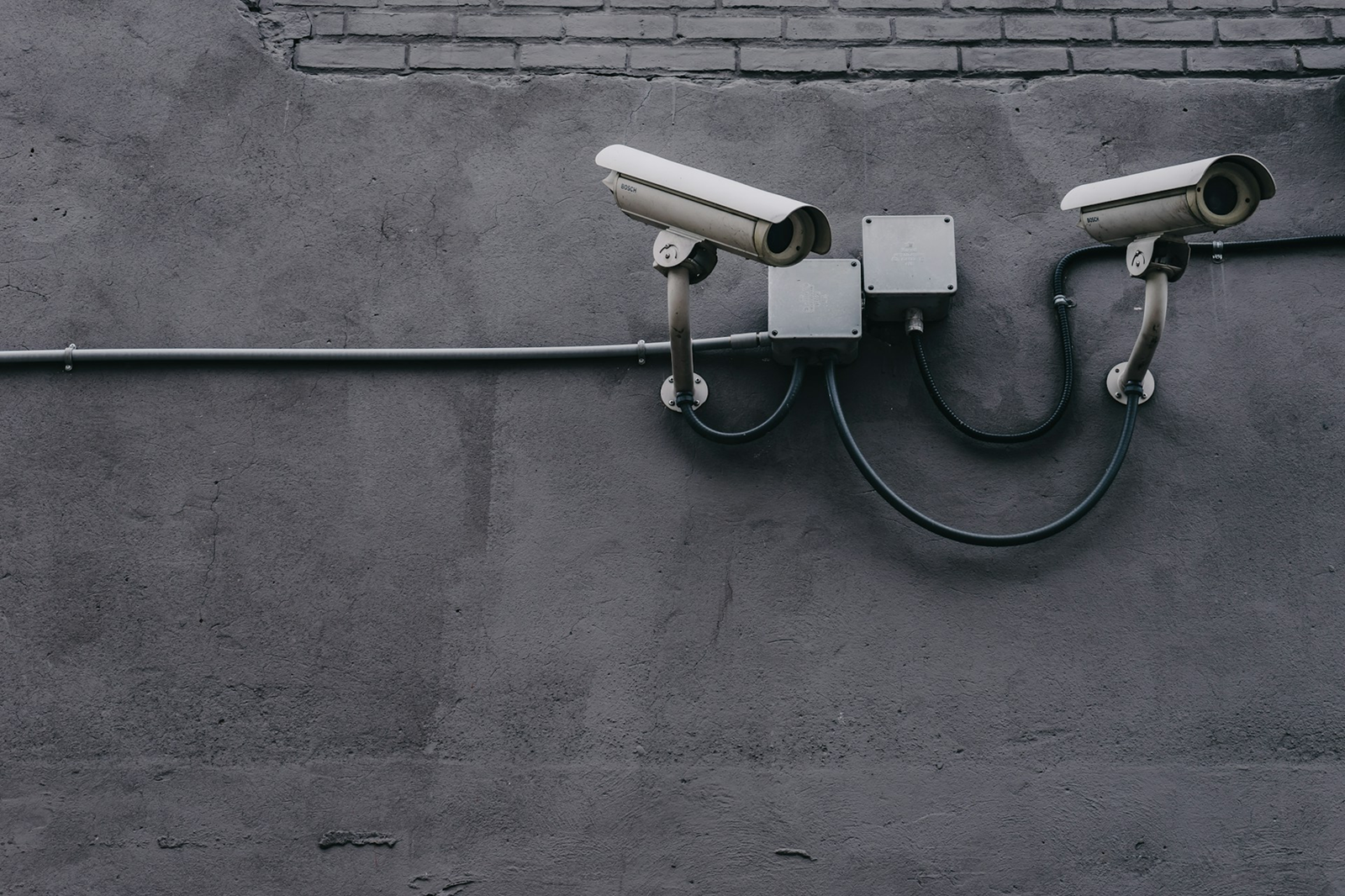
When it works well, security often tends to be invisible. Guards patrol without incident. Alarms stay quiet, not ringing out. Cameras record, but there is no need for the footage to be watched.
That invisibility is what makes understaffed security such a challenge. It isn’t often that lapses in security are loudly announced. When something goes wrong, it is usually too late. The damage has already been done.
We live in a world where threats can expand across the digital and physical sides of an organization. Alongside this, budgets continue to tighten. Because of this, security risks for businesses have discreetly become one of the more impactful, yet underestimated, line items on the balance sheet for any company.
The Costs of Cutting Corners with Physical Security
It might seem obvious to some that cutting back on a security staff would save money. However, the truly important costs continue to stay hidden, until the moment they strike.
Put simply, having fewer guards patrolling a physical location means that there are fewer people around to handle the major security aspects. Less people monitoring cameras, less people keeping eyes on entrances and exits, and less people to respond quickly if something goes wrong.
Retailers have felt this tension directly. Organized retail crime groups have become more sophisticated in recent years. An industry report found that repeat offenders and organized theft incidents rose sharply, even as overall shoplifting declined, which is a shift attributed partly to retailers ramping up security investments and technology after years of thinner coverage.
This trend suggests something important. Security gaps not only invite more theft, but they also invite smarter theft from groups that look for the businesses least equipped to catch them.
Physical security failures rarely stop at stolen merchandise. Understaffed teams also struggle to respond to vandalism, unauthorized access and workplace violence, all of which can lead to property damage, injury claims and disruption that ripples through daily operations.
A single unmonitored blind spot or an alarm that goes uninvestigated because there’s no one available to check it can be the difference between a minor incident and a costly one.
Cybersecurity Gaps Compound the Problem
Physical vulnerabilities are only half the picture. Many of the same businesses struggling to staff security guards are also battling to staff their cybersecurity teams. Unfortunately, many consequences can raise the costs even higher.
One particular study of a large-scale workforce found that more than a third of organizations had their cybersecurity team budget reduced, and nearly 40% ended up reporting hiring freezes. Many security functions were left running with fewer people and thinner skill sets than the threat landscape actually demands.
The study’s authors noted that these budget pressures are creating real knowledge and competency gaps within security teams, not just fewer people on staff.
That distinction matters. An understaffed security team, physical or digital, means more than slower response times. Often, the people who remain are stretched across more responsibilities than they can reasonably handle. This increases the odds that a phishing email slips through, a software patch gets delayed or a suspicious login is unnoticed until real damage has been done.
Hacked files, stolen customer data and ransomware demands are the kinds of losses that can take months to fully quantify, long after the initial breach.
The Legal and Financial Fallout Businesses Don’t Always See Coming
Beyond the immediate loss of assets or data, understaffed security teams can expose a business to legal and financial consequences that outlast the incident itself.
Regulators, insurers and courts increasingly expect organizations to demonstrate that they took reasonable measures to protect people, property and information. When a business is aware of a security gap and fails to address it, that awareness can become a liability in itself.
Lawsuits, higher insurance premiums, regulatory fines and reputational damage can all follow an incident that a fully staffed and properly equipped security team might have prevented or at least contained.
Understanding Your Legal Duty to Act
This is where the legal reality of security starts to matter as much as the practical reality. Tort law generally requires that an organization implement security measures and systems once it becomes aware of a threat or vulnerability. A known gap left unaddressed can shift liability onto the business itself.
Proactive investment in security staffing and infrastructure is a no-brainer because of this. While the legal expectation drives many decisions, the end result tends to pay for itself over time. It also helpfully minimizes potential operational risks, as discussed earlier.
A common root cause of these sorts of gaps is budget limitations. Because of budget constraints, organizations may also fail to address costs like annual security system maintenance or periodic software improvements, letting equipment age past the point where it performs reliably.
A security camera system that hasn’t been serviced in years, or software that hasn’t been patched since installation, can leave a business with a false sense of protection that evaporates the moment it’s tested.
Partnering With Professional Security Management
Professional security management support ends up being one of the most effective methods to utilize. It can prevent an internal team from overextending, while additionally closing any staffing gaps.
Doing this avoids a situation where a general facilities staffer or receptionist have to be the ones to handle alarm monitoring. It also avoids the need to place hope on a small in-house team to keep pace with evolving threat landscapes. The existing duties of these staff members are often already taxing enough.
Nowadays, outside security management partners are what many businesses turn to. They are able to reliably provide staff training, system audits, and ongoing oversight.
This approach lets a business right-size its security coverage to its actual risk level instead of whatever headcount happens to be left after other departments have been staffed.
Investing in Technology That Extends Your Team
It is true that technology cannot fully replace trained security personnel. That being said, it can still make a meaningful difference. It can cover what a smaller team cannot.
A truly lean security staff can focus their attention on where it is needed most. Techniques such as AI-assisted alarm verification, remote video monitoring, and automated perimeter deterrence all contribute. This helps to prevent the chasing of false alarms, or hours of footage needing to be scrubbed through after an issue has already occurred.
On the cybersecurity side, automated threat detection and centralized monitoring platforms can help a stretched IT security team keep watch over more systems than they could manually track alone.
The goal isn’t to eliminate staff. It is to make sure the staff that a business does have are spending their time on the incidents that matter.
Building a Culture of Security Awareness
Finally, addressing business security risks isn’t only a staffing or technology question. It’s a cultural one.
Employees across every department, not just the security team, are often the first line of defense against everything from social engineering scams to an unlocked back door. Security is everyone’s responsibility, rather than an afterthought delegated entirely to whoever happens to be on shift.
This is achieved through:
- Regular training
- Clear reporting procedures
- Leadership buy-in
When a business treats security as a shared priority, it tends to catch these sorts of small problems before they become larger and more expensive ones.
Taking Understaffed Security Seriously Before It Becomes a Crisis
Understaffed security rarely causes a dramatic, single moment of failure. More often, it’s a slow accumulation of missed patches, unmonitored cameras and stretched-thin staff that eventually catches up with a business at the worst possible time.
Treating security staffing and infrastructure as a genuine investment is one of the clearest ways a business can protect its people, its assets and its bottom line.
Was this news helpful?
 Yes, great stuff!
 I’m not sure
 No, doesn’t relate