



The Invisible Techniques Keeping Flights On Time

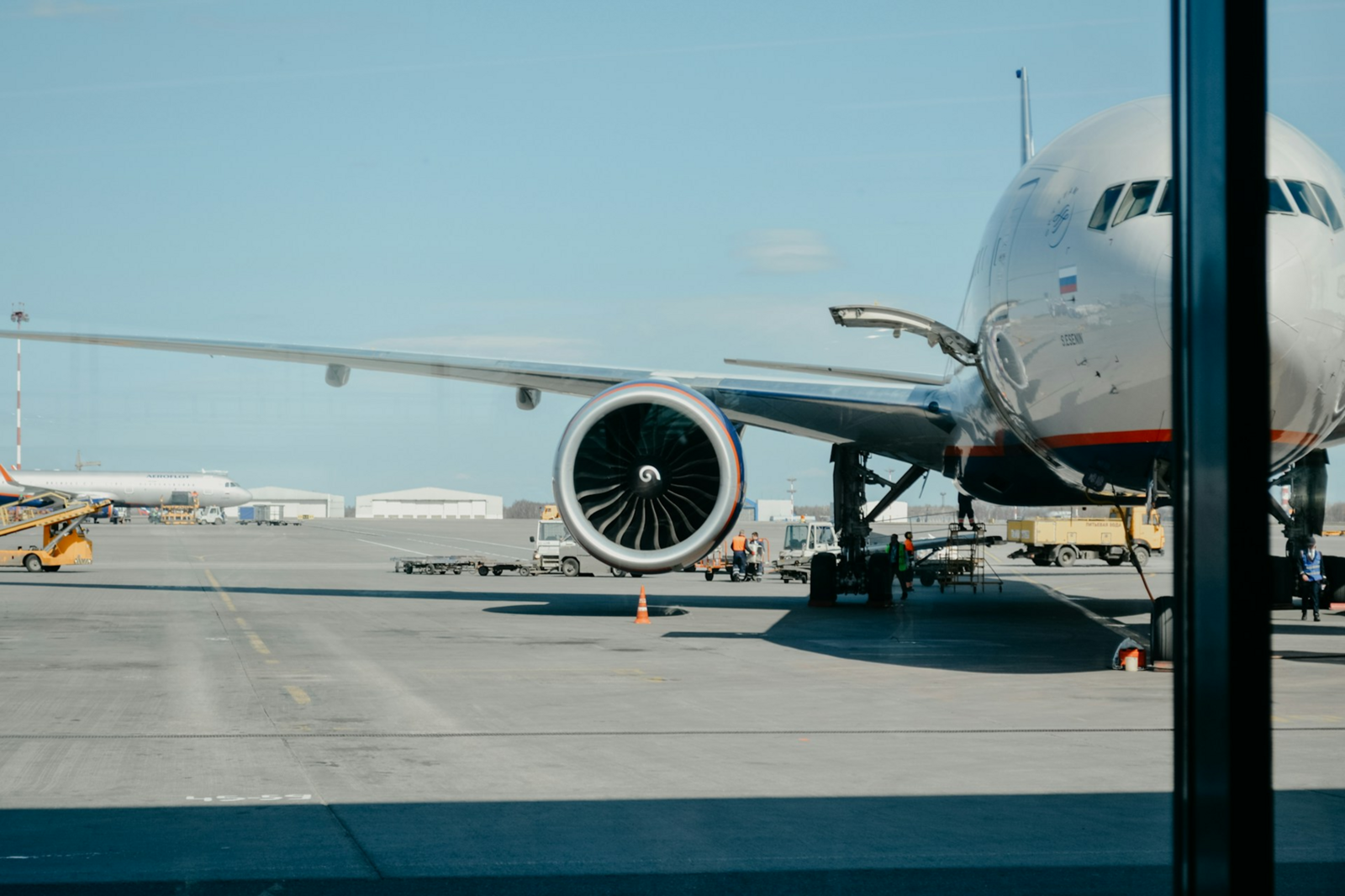
Discover the invisible tech and coordination that power on-time flights, from AI and predictive maintenance to real-time operations and data analysis.
Commercial aviation is a masterclass in precision and coordination. Every flight that departs and arrives as scheduled represents the culmination of thousands of interlocking tasks — from aircraft maintenance and fuel logistics to passenger processing and real-time data analysis.
The importance of keeping flights on time extends beyond customer satisfaction. On-time performance has a direct impact on airline profitability, crew scheduling, airport slot management and even carbon emissions. Behind the seamless image of efficiency lies a network of sophisticated systems and human expertise that ensures punctuality and reliability.
Below are the often-invisible techniques that airlines, airports and manufacturers use to keep the global air travel ecosystem running smoothly.
1. Optimized Passenger Flow Procedures
Delays frequently begin on the ground, not in the air. Airlines and airports invest heavily in systems that streamline the process of moving passengers through check-in, security, boarding and disembarkation.
Automated check-in kiosks, biometric gates and mobile boarding passes are now standard in most major airports. These technologies eliminate bottlenecks and reduce human error, allowing staff to concentrate on exceptional cases rather than routine processing.
Some carriers use data analytics to anticipate and prevent congestion. For example, heat maps of terminal activity identify when and where long queues typically form, allowing gate assignments and staff deployment to adjust dynamically. The smoother the passenger flow, the faster aircraft can board, push back and depart on schedule.
2. Real-Time Operations Control Centers
Every major airline operates a nerve center known as the Operations Control Center (OCC). Staffed 24/7, the OCC monitors weather patterns, aircraft positions, crew availability and airport traffic worldwide.
If a thunderstorm grounds an aircraft in one location, the OCC instantly recalculates aircraft rotations and assigns replacement planes or crews elsewhere. Predictive algorithms can forecast how a local delay might ripple through the network, allowing operations planners to minimize disruptions before they escalate.
Some OCCs use digital twin simulations — virtual models of their flight networks — to test potential responses to disruptions in real time. By adjusting routes, crew swaps or gate changes in the simulation first, dispatchers make more informed decisions faster, keeping flights on time even during irregular operations.
3. Preventive Aircraft Maintenance
Aircraft maintenance follows a rigorous schedule governed by aviation authorities and manufacturers. Beyond mandatory checks, many airlines now utilize predictive maintenance to minimize downtime and prevent last-minute mechanical issues that can lead to delays.
Sensors embedded throughout modern aircraft continuously transmit performance data to maintenance teams on the ground. Advanced analytics identify patterns that suggest a part may fail soon, long before it triggers a warning light.
When a potential issue is detected, technicians can schedule proactive maintenance during overnight stops or turnarounds, rather than grounding the aircraft unexpectedly. This shift from reactive to preventive maintenance has significantly reduced the number of flight cancellations due to technical faults, while also improving overall fleet reliability.
4. Artificial Intelligence and Machine Learning Integration
Artificial Intelligence (AI) has transformed how airlines manage scheduling, weather routing and maintenance planning. Machine learning algorithms analyze historical and real-time data to optimize decisions that previously relied solely on human judgment.
For instance, AI systems can forecast delays caused by adverse weather and suggest alternative flight paths or departure times to minimize disruption. In some airports, AI tools analyze gate usage patterns to recommend efficient assignments, reducing taxi time and congestion.
AI-driven chatbots and self-service platforms also play a role in keeping flights on time. By automating routine passenger inquiries and check-in tasks, staff can concentrate on operational issues that directly affect flight readiness. The cumulative time savings across hundreds of flights per day translate into better punctuality and lower operational costs.
5. Crew Resource Optimization
Flight crews operate under strict duty-time regulations to ensure safety. Managing schedules for thousands of pilots and cabin crew across multiple time zones is a complex logistical challenge.
Airlines employ Crew Management Systems (CMS) that use algorithms to match qualified personnel to specific aircraft types, routes and rest requirements. When disruptions occur — such as weather delays or medical emergencies — these systems instantly reassign available crew members and update rosters in real time.
Additionally, mobile apps enable crew members to view assignments, log flight hours and receive alerts for last-minute changes. This level of connectivity ensures that aircraft are rarely delayed waiting for missing or misassigned staff, a once-common source of operational inefficiency.
6. Advanced Air Traffic Management
Air traffic control (ATC) modernization is crucial for maintaining flight on-time performance. Traditional radar-based systems are gradually being replaced by satellite navigation and digital communication networks. Technologies such as Automatic Dependent Surveillance-Broadcast (ADS-B) allow aircraft to broadcast their exact position via satellite. This enables tighter spacing between flights and more direct routing, saving time and fuel.
Collaborative Decision Making (CDM) — a system jointly used by airlines, airports and ATC agencies — enhances coordination. By sharing real-time information about weather, runway availability and aircraft sequencing, CDM helps minimize airborne holding patterns and ground delays.
These technologies work behind the scenes, but their collective impact is substantial. Every minute saved in taxiing or air holding contributes to overall on-time performance and reduced emissions.
7. Aircraft Weight Measurement Benefits
Accurate weight and balance calculations are a subtle but vital part of on-time performance. Every flight requires precise data on passengers, cargo and fuel to ensure safe and efficient operations. Even minor miscalculations can affect fuel use and climb performance, forcing last-minute adjustments that delay departure.
Heavier aircraft create more drag and require more engine power, so proper weight distribution directly improves aerodynamic efficiency and fuel economy. Keeping loads balanced and optimized reduces both operating strain and schedule disruptions.
Modern digital weight and balance systems now automate these calculations, pulling real-time data from check-in counters, cargo systems and fuel sensors. This automation shortens turnaround times, minimizes manual errors and enhances operational precision — another quiet factor in keeping flights on time.
8. Professional Employee Training and Culture
Technology alone cannot ensure punctuality. Airlines also invest heavily in cultivating a workforce culture that values precision and proactive problem-solving. From ground handlers to dispatchers, employees receive regular training on contingency planning, communication protocols and time-sensitive coordination. Simulation-based training environments help staff practice responses to real-world scenarios such as weather disruptions, late passengers or last-minute gate changes.
Some airlines employ performance dashboards that display on-time metrics in crew lounges or control centers. By linking daily performance to team recognition and incentives, these airlines reinforce accountability and engagement throughout the organization.
Ultimately, maintaining schedules isn’t just about systems. It’s about people making the right decisions quickly and consistently.
9. Collaborative Ecosystems Between Stakeholders
Keeping flights on time is a shared responsibility among airlines, airports, manufacturers and regulators. Collaborative partnerships have led to innovations like joint data platforms that allow stakeholders to exchange information instantly.
Aircraft manufacturers like Airbus and Boeing now provide real-time health monitoring services to airlines, while airports share gate availability data directly with airline operations teams. This transparency enables faster decisions when delays threaten to cascade across the network.
Industry-wide initiatives, such as the International Air Transport Association’s (IATA) “On-Time Performance” standards, also promote uniform benchmarks and best practices that enhance predictability for both passengers and carriers.
Precision in Motion
To passengers, on-time performance may seem like luck or simply the result of a punctual boarding process. In reality, it reflects a deeply interconnected system of technologies, data analytics and disciplined human coordination.
From predictive maintenance and AI scheduling to crew optimization and accurate weight measurement, each element contributes to the invisible choreography that defines modern air travel. As airlines continue to embrace digital transformation, the art of keeping flights on time will only grow more refined — quietly powering the reliability that travelers have come to expect.
Was this news helpful?
 Yes, great stuff!
 I’m not sure
 No, doesn’t relate