



The Future of Financial Data APIs: Standardization and Access

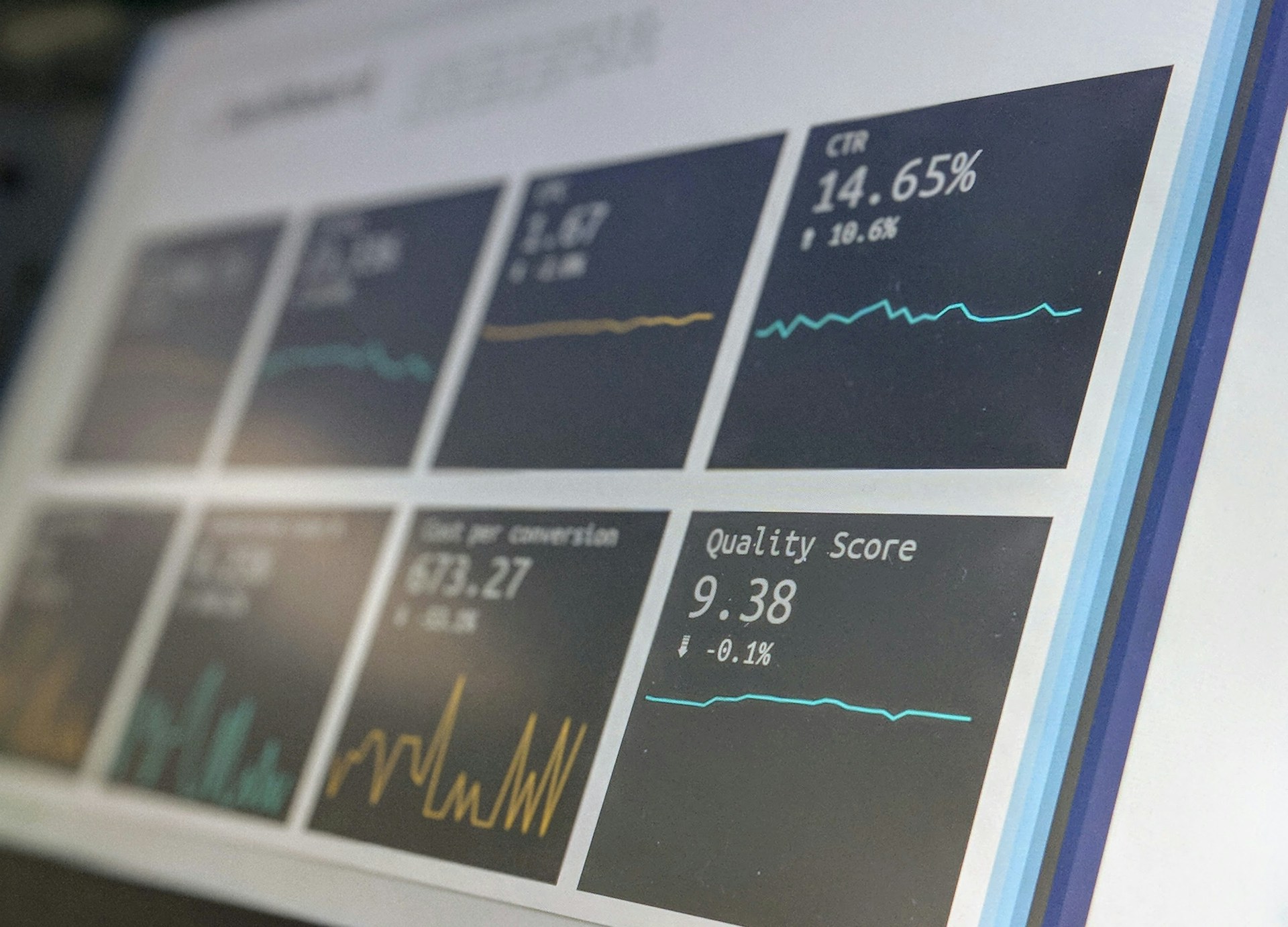
Learn how financial data APIs are shaping the future of open finance through standardization, improved security, and seamless data sharing across platforms.
Sharing financial data often feels disorganized and unclear. In fact, the absence of standardization creates challenges for both consumers and businesses. This blog will explain how standardized APIs can make data sharing simpler, safer, and more effective.
Stay tuned to find out what’s ahead for financial services!
The Rise of Open Finance
The financial world is changing directions, moving past traditional banking boundaries. Open finance strives to provide consumers with more authority over their data and how they engage with financial services.
Transition from Open Banking to Open Finance
Open Banking enabled secure data sharing among banks and fintechs. Open Finance extends this, encompassing a broader range of financial products like loans, insurance, mortgages, and investments.
It strives to make the financial services industry more inclusive by enabling smooth access to various types of consumer data.
Regulations such as FIDA and the 1033 Rule drive this progress. They require transparency while ensuring consumers can decide who accesses their personal information. This broader scope creates opportunities for traders to gain more detailed insights into markets and trends.With such access, even independent traders analyzing performance benchmarks—like the average income of day trader can better understand how standardized financial data impacts profitability and decision-making.
Key drivers: Regulations like FIDA and the 1033 Rule
FIDA, or the Financial Data Access Act, is reshaping financial data sharing in the United States. It prioritizes consumer rights by mandating that individuals control who accesses their financial information.
This regulation pushes financial institutions to adopt secure and standardized APIs for improved transparency and security. By ensuring smooth data aggregation processes, FIDA strengthens trust between consumers and banks.
The 1033 Rule from the Dodd-Frank Act complements FIDA by further outlining data-sharing requirements. It obligates institutions to provide customers with access to their own account data without unnecessary restrictions or delays.
These regulations aim to eliminate barriers in financial services, paving the way for seamless integration of emerging tools like AI within banking systems.
Importance of Standardized Financial Data APIs
Standardized APIs simplify how data flows between financial platforms. They make services quicker, more dependable, and more secure for everyone involved.
Role of FDX APIs in interoperability and security
FDX APIs act as an interpreter between different financial systems, enabling efficient data sharing. By adhering to established standards like OAuth and OpenID Connect, they enhance compatibility across banks, fintechs, and other financial service providers.
This standardization reduces errors in data exchange and encourages better collaboration.
Strong security measures are built into FDX APIs to protect sensitive financial information. Features like tokenized authentication prevent unauthorized access while reducing fraud risks during transactions.
These protocols not only protect consumer privacy but also establish trust among all users of the system.
Benefits for consumers and financial institutions
Standardized APIs enhance financial services by improving data interoperability. Consumers gain better control over their financial information, allowing them to access customized products and services.
Clear account aggregation simplifies budgeting tools and investment insights. Faster loan approvals and personalized credit options become accessible through efficient data sharing.
Financial institutions benefit from reduced compliance risks under regulations like the 1033 Rule. Simplified API management lowers operational costs while enabling quicker advancements in fintech collaborations.
Secure data exchange also builds trust with users, strengthening long-term relationships in a competitive market.
Integration with Emerging Technologies
Fintech is tapping into smarter tools to make sense of complex financial data. These technologies promise sharper insights and stronger safeguards, reshaping how we interact with money.
AI and machine learning for enhanced data insights
AI processes vast amounts of financial data quickly, turning complex numbers into practical insights. Machine learning detects patterns that human eyes often miss, such as unusual transaction trends or market shifts.
These tools help traders make informed decisions faster than ever before.
Predictive models in AI can forecast future market movements with remarkable accuracy. For example, they analyze historical price changes and news sentiment to predict stock performance.
This technology works effectively with blockchain for secure and transparent data handling, creating opportunities for safer advancements.
Blockchain for secure and transparent data sharing
Blockchain establishes a highly secure system for financial data sharing. It keeps information in decentralized blocks, making unauthorized alterations extremely difficult. Each transaction is logged with timestamps, ensuring clarity and responsibility.
Financial institutions implement blockchain to improve security while minimizing fraud risks. Traders feel assured knowing their sensitive data is safeguarded against breaches or tampering.
This technology also streamlines cross-border transactions by enabling immediate verification without third parties.
Challenges and Opportunities Ahead
Navigating financial data APIs comes with hurdles like technical integration and compliance. However, these same barriers open doors for smarter solutions and stronger consumer trust.
Implementation complexities and monetization strategies
Building standardized APIs across financial services isn’t straightforward. Developers often encounter challenges with data integration, compliance requirements, and security protocols.
Aligning diverse systems while adhering to strict regulations like the 1033 Rule can become expensive and time-intensive. Financial institutions need to address performance issues as API demand grows due to increased consumer reliance on digital finance platforms.
Monetization strategies add another layer of complexity for companies offering financial data APIs. Pricing models vary, from subscription fees for fintech firms to charging usage-based rates for high-volume partners.
Some providers seek value through premium features designed for large enterprises or specialized analytics tools powered by AI. Striking a balance between competitive pricing and profitability remains challenging in such a changing market.
Balancing data sovereignty and consumer empowerment
Navigating implementation challenges often highlights a deeper issue: balancing control between institutions and consumers. Financial services increasingly manage sensitive consumer data, making sovereignty a key concern.
Traders demand transparent systems that respect privacy while providing secure access to financial tools.
Open Banking regulations, like the 1033 Rule, aim to give users direct authority over their data. Customers want more say in where and how their information flows without compromising security or compliance standards.
APIs play a crucial role by allowing controlled sharing while restricting unauthorized access, building trust through accountability.
Conclusion
Financial data APIs are reshaping how we share and use financial information. Standardization will make systems more secure, efficient, and fair for everyone. Challenges remain, but technology and collaboration hold the key.
The future feels promising as industries adapt to new rules and tools. Change may be hard, but it’s also exciting.
Was this news helpful?
 Yes, great stuff!
 I’m not sure
 No, doesn’t relate