


The 5 Best Practices for Effective Queue Management in Retail

Discover 5 best practices for retail queue management—from clear signage to tech solutions—that cut wait times and boost customer satisfaction.
Shoppers often form their impressions of a store while waiting in line. Every minute feels longer when queue management is missing or communication is unclear.
A messy queue signals poor organization. By adopting a retail scheduling system, retailers can maintain consistent staffing levels and prevent long waits from accumulating.
Why Queue Management Matters in Retail
Customers tend to forget displays or promotions quickly, but they often remember how long they had to wait in line. A short line with no structure feels longer than a longer one that moves predictably. The perception of fairness matters as much as the actual time.
Queue management also reflects the effectiveness of a store’s operations. A slow or confusing line leads customers to doubt stock levels, staffing, or service quality. Sales drop when people abandon baskets. The bigger loss comes later, when those same customers choose not to return. One poor experience at checkout often spreads through word of mouth.
Implement Clear Signage and Guidance
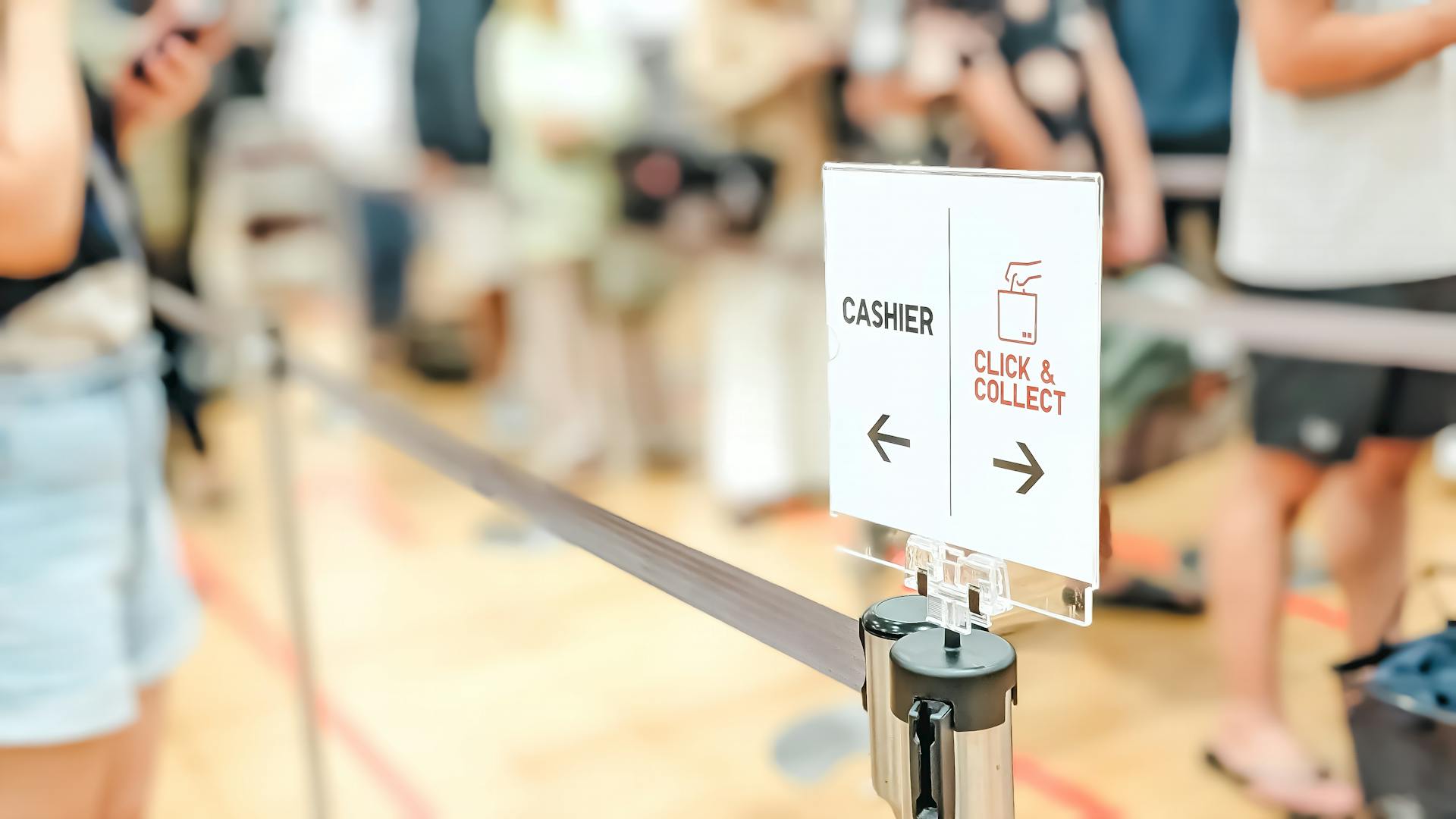
Clear instructions keep lines from breaking down. Arrows on the floor direct movement, and boards above the registers indicate where to go. When guidance feels obvious, the line moves more smoothly.
Digital signs create order during busy periods, enabling retailers to maintain peak efficiency during peak times with less effort. A message that reads “four counters open” or “express lane available” reassures people that staff are attending to them. Customers relax when they see progress being managed.
Use Technology to Monitor and Control Queues
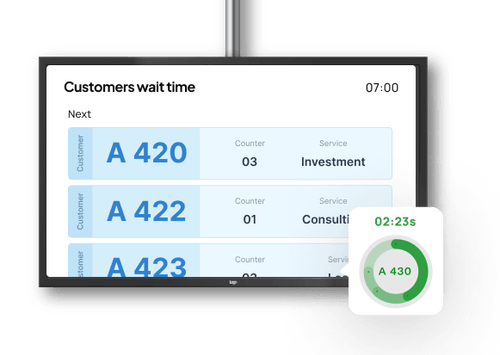
Technology offers information that staff cannot gather on their own. Queue monitoring through sensors and cameras reveals when congestion starts to build. With this, managers can respond early and reduce customer frustration before it grows.
Forecasting systems enhance peak-time efficiency by helping stores prepare for fluctuating customer traffic. They can track sales history, local events, and weather patterns to predict when traffic is likely to surge.
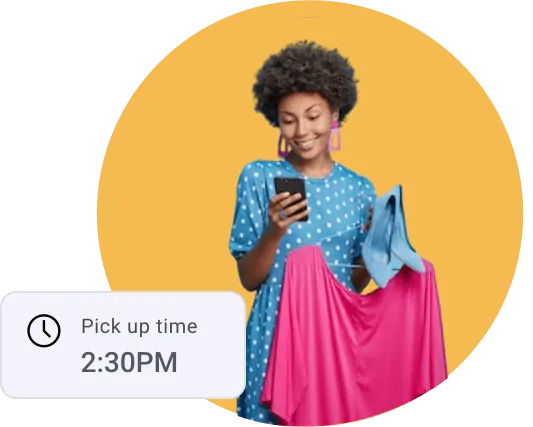
Virtual queues remove the feeling of wasted time. Customers check in on an app or kiosk and receive a text when their turn comes.
Train Staff for Peak Time Efficiency
Staff behavior shapes the customer’s mood in line. A simple acknowledgment, such as a brief “we will be with you soon,” reduces tension. Even small gestures improve the wait.
Training should prepare employees to transition into new roles. A team that can move from stocking shelves to handling registers prevents queues from growing too long. Flexibility matters more than speed alone.
Optimize Store Layout for Better Flow
The design of a checkout area changes how waiting feels. Narrow, twisting lanes make people feel trapped. Wide paths with gentle curves feel open and controlled. Customers sense when space has been planned with their comfort in mind.
Products placed near the line give people something to browse. Snacks, small accessories, and magazines distract from the wait and often add to the basket.
Layouts should match how people shop:
- Supermarkets often have staffed lanes for big carts, express counters for small baskets, and self-checkouts for quick trips.
- Most pharmacies have separate lines for picking up prescriptions and general checkout so that small purchases don’t get stuck behind big ones.
Offer Entertainment and Engagement During Waits
Waiting feels less frustrating when customers stay occupied. Screens positioned above the line can display nearby events, highlight community programs, or share product advice. Information keeps people engaged.
Interactive elements work even better. Small product demos, quick quizzes, or simple touch displays draw attention and shorten the sense of waiting.
Personal devices create another option. QR codes along the line can unlock discounts, recipes, or product videos. Customers utilize the time, and the store fosters stronger engagement.
Measuring and Continuously Improving Queue Management
Queues need regular review to stay manageable. Tracking average wait times is useful, but what matters most to customers is steady movement and a sense of fairness.
The most effective improvements come from small, measurable changes. Add a digital sign, adjust the placement of registers, or trial an express lane, then monitor how it affects wait times and customer flow.
Feedback from staff fills in the gaps. Employees notice frustrations that data alone cannot reveal. Combining both views yields practical improvements that endure.
Conclusion
The checkout line often defines a store’s reputation. Queue monitoring, powered by platforms like Q-nomy, gives retailers the ability to balance flow and staffing in real-time.
When customers see a line that moves with purpose and fairness, they recognize the value placed on their time.
How do you currently handle long lines in your store? Let us know in the comments.
Was this news helpful?
 Yes, great stuff!
 I’m not sure
 No, doesn’t relate