



Staying Active and Engaged in Later Life

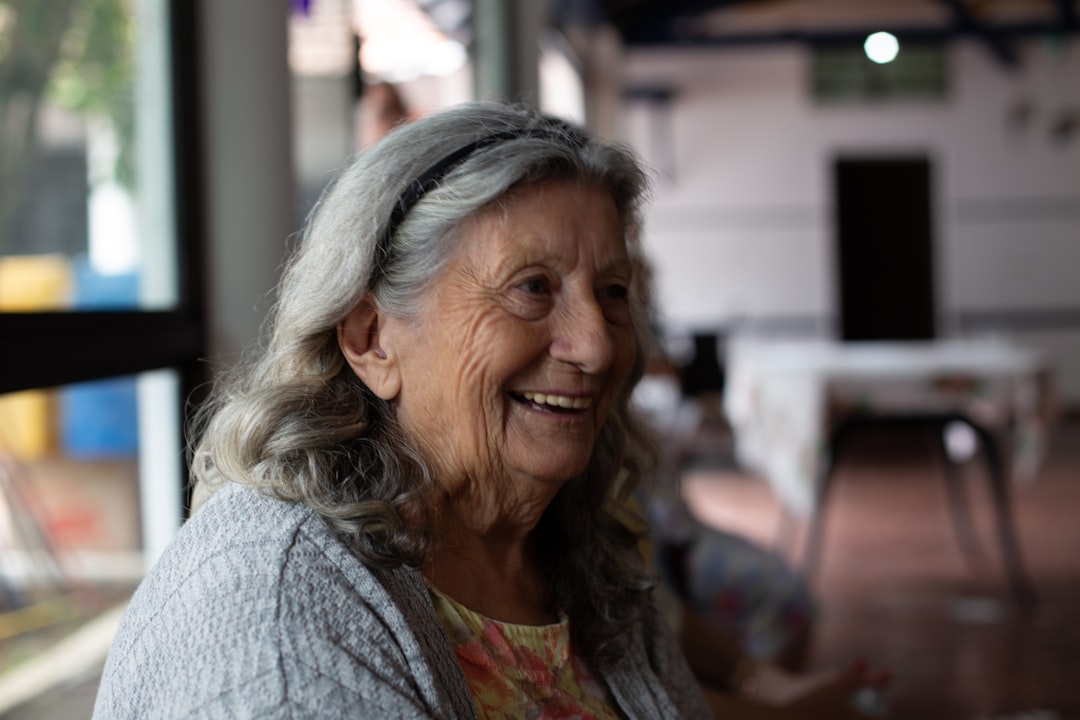
Practical ways for older adults to stay active, steady, and connected. Build strength, prevent falls, and nurture purpose for confident, independent living.
Staying active and engaged in later life is about more than workouts. It is about building simple routines that keep your body strong, your mind curious, and your social world alive. With small, steady steps each week, you can protect balance, move with confidence, and keep doing the things that make your days feel meaningful.
Active living is a flexible plan, not a strict program. You can start where you are and adjust as needs change. The goal is consistency and enjoyment, so habits feel doable on your best and your not-so-best days.
Move with Purpose Every Day
Short, regular movement adds up fast. A slow morning walk warms joints and signals your brain that the day is underway. Light activity after meals supports balance and digestion.
Guidelines from the CDC highlight the mix that works best for older adults, including weekly moderate activity, muscle strengthening, and balance practice. Think of it as a simple recipe you repeat most weeks. Keep sessions short and repeatable so they fit your life.
Variety helps your body and mood. Rotate walking with cycling, swimming, or chair aerobics. If you track steps, focus less on totals and more on consistency.
Balance and Fall Prevention Basics
Improving balance is one of the highest-return habits you can build. Simple daily drills like single-leg stands or heel-to-toe walking teach your body to react quickly. Add a stable support, like a counter, when you start.
Falls remain a serious risk, and national reporting has shown that tens of thousands of retirement-age Americans died from falls in 2023. That sobering trend reminds us that prevention is not optional but necessary. Making small balance habits a daily ritual can reduce risk at home and in the community.
Strength and balance work together. Calf raises, sit-to-stands, and light step-ups build the control you need. Practice on good days and keep sessions brief on tough days.
Tech That Keeps You Connected
Digital skills are part of independence today. Many families look up the skills older adults need for independent living when helping a parent get set up, because tech now touches safety, banking, and social life. With a few practice sessions, you can learn to text, join video calls, refill prescriptions online, and spot common scams.
Keep a simple checklist. Know your password system, practice opening and closing apps, and learn how to join a meeting link. Place a printed backup sheet in a safe spot and update it monthly.
Social Connections That Stick
Friends and neighbors are powerful health assets. A short chat in the hallway can shift your mood for the entire day. Regular meetups turn into supportive routines.
Many older adults say they can count on people if they need help, according to a recent community survey in the UK. Strong networks do not appear by accident, as they grow from showing up, offering help, and letting others help you back.
Aim for a mix of relationships. Keep ties with old friends while adding new ones through clubs, classes, or faith groups. Diversity in your circle brings fresh stories and more reasons to get out.
Brain Fitness in Small Bites
Your brain likes a challenge. Short sessions of learning or memory games keep things fun. Five to ten focused minutes can be enough.
Try a three-part routine for mental energy. Start with a quick puzzle, read a few pages, and teach someone a tiny skill, such as how to bookmark a page or organize a drawer. This creates a loop of attention, learning, and recall.
Make novelty easy. Swap the route of your walk, cook a new recipe, or listen to music you have never tried. Small surprises keep the mind engaged without strain.
Everyday Strength for Independence
Strength is practical power: it helps you get out of chairs, carry groceries, and open jars. You do not need heavy weights to make progress.
Use moves tied to daily life. Practice sit-to-stands from different seat heights. Add light resistance bands for rows and presses, focusing on smooth motions.
Keep the form simple. Count slow on the way down and steady on the way up. Two or three sets of 8 to 12 reps, a few days a week, can build a strong base.
Flexibility and Joint Comfort
Gentle stretching keeps you moving with less stiffness. Focus on hips, calves, chest, and back. Hold each stretch for 15 to 30 seconds without bouncing.
Link stretches to daily anchors. After brushing your teeth, stretch your calves. When the kettle boils, open your chest with a doorway stretch.
If a joint feels tight, move around it rather than through pain. Slow circles and light range-of-motion work ease the area. Warmth helps, so start after a short walk.
Heart Health You Can Feel
Aerobic movement boosts mood and stamina. Choose something you enjoy so it sticks. Walking with a friend is a simple way to combine heart health and connection.
Intervals can be gentle. Try 1 minute at a brisk pace and 2 minutes easy, repeated several times. Over weeks, your breath evens out, and daily tasks feel lighter.
Notice signals while you move. You should be able to talk but not sing. If you feel dizzy or unusually breathless, slow down and rest.
Purpose, Hobbies, and Flow
Hobbies feed your sense of flow. Time passes quickly when you are focused and absorbed. That feeling will bring calm and satisfaction.
Pick projects that are slightly challenging but doable. Gardening, woodwork, quilting, or model building can all fit. The key is having a clear next step each time you sit down. Use a simple checklist to keep momentum:
- Identify one tiny action you can finish today
- Set up your space so tools are ready
- Leave a visible note for where to start next time
Cardio That Feels Good
Cardio supports heart health and energy. Choose steady activities that let you talk in short sentences while you move. If you prefer intervals, try one minute easy and one minute a bit brisker, repeated several times.
Track how you feel rather than chasing a number. On low-energy days, do gentle laps in a pool or a slow cycle on a stationary bike. On high-energy days, take a longer walk with a friend.
Safer Digital Habits
Use strong passcodes and keep devices updated. Turn on two-factor authentication when offered. These steps protect your accounts.
Be cautious with links and attachments. When unsure, verify with the sender by phone. Slow is safe online.
Organize your home screen. Keep the 6 apps you use most on the first page. Fewer taps mean less friction.
Nutrition That Supports Activity
Food is fuel for movement. Aim for steady meals with protein, fiber, and color. Hydration matters more than most people think.
Plan simple plates. Eggs with fruit at breakfast, soup and whole-grain toast at lunch, and fish with vegetables at dinner. Snacks like yogurt or nuts fill gaps.
Pair eating with activity. A short walk after meals helps blood sugar control. Light stretching before dinner sets a calm tone for the evening.
Safe Homes That Invite Movement
Small home tweaks can unlock daily activity. Clear walking paths and remove loose rugs. Good lighting makes a big difference.
Place frequently used items within easy reach. This lowers strain and reduces ladder use. Add grab bars in bathrooms and railings on steps.
Think of your home as a training partner. A stable counter is perfect for heel raises, and a firm chair helps with sit-to-stands.
Routines and habit stacking
Habits are easier when stacked onto things you already do. After making coffee, do 10 heel raises. After the news, stretch your hips.
Write routines you can keep on tough days. Have a 5-minute version ready. Consistency beats intensity. Use two simple lists to guide your week:
- Anchor habits you do daily
- Bonus activities you add when energy is high
Making It Stick When Life Changes
Life brings shifts in health, caregiving, and energy. Activity plans work best when they flex. Keep alternatives ready for rainy days or low-mobility days.
If you miss a few days, restart small. One short walk and a few chair exercises are enough. Build back gradually and celebrate each step.
When motivation dips, reconnect with your why. Maybe you want easier stairs, more travel, or playtime with grandkids. Clear goals help choices feel worthwhile.
When to Ask for Support
Check in with your health team if pain or dizziness shows up. Bring notes on what you tried and how it felt.
Community centers, faith groups, and libraries offer classes and clubs. Try different options until one feels right. The right group can double as your motivation.
Family and friends want to help. Ask for a walking partner or a ride to a class. Support makes new habits feel lighter.
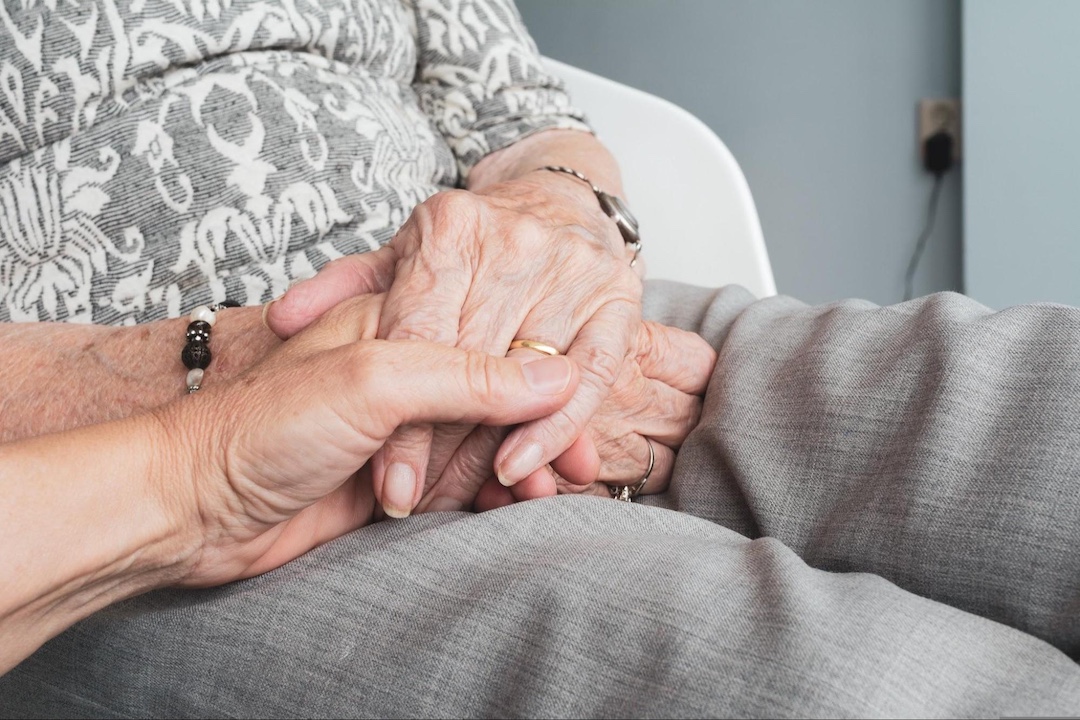
Staying active is a team sport. Family, friends, classes, and community groups can offer support and motivation. When you mix movement, connection, and purpose, you set yourself up to thrive.
Staying active in later life is a series of small wins that add up. Choose movements you enjoy, keep safety in mind, and lean on your support network when you need it. With a little structure and a lot of patience, you can stay strong, steady, and connected.
Was this news helpful?
 Yes, great stuff!
 I’m not sure
 No, doesn’t relate