

How to Protect Yourself From Scams While Shopping Online

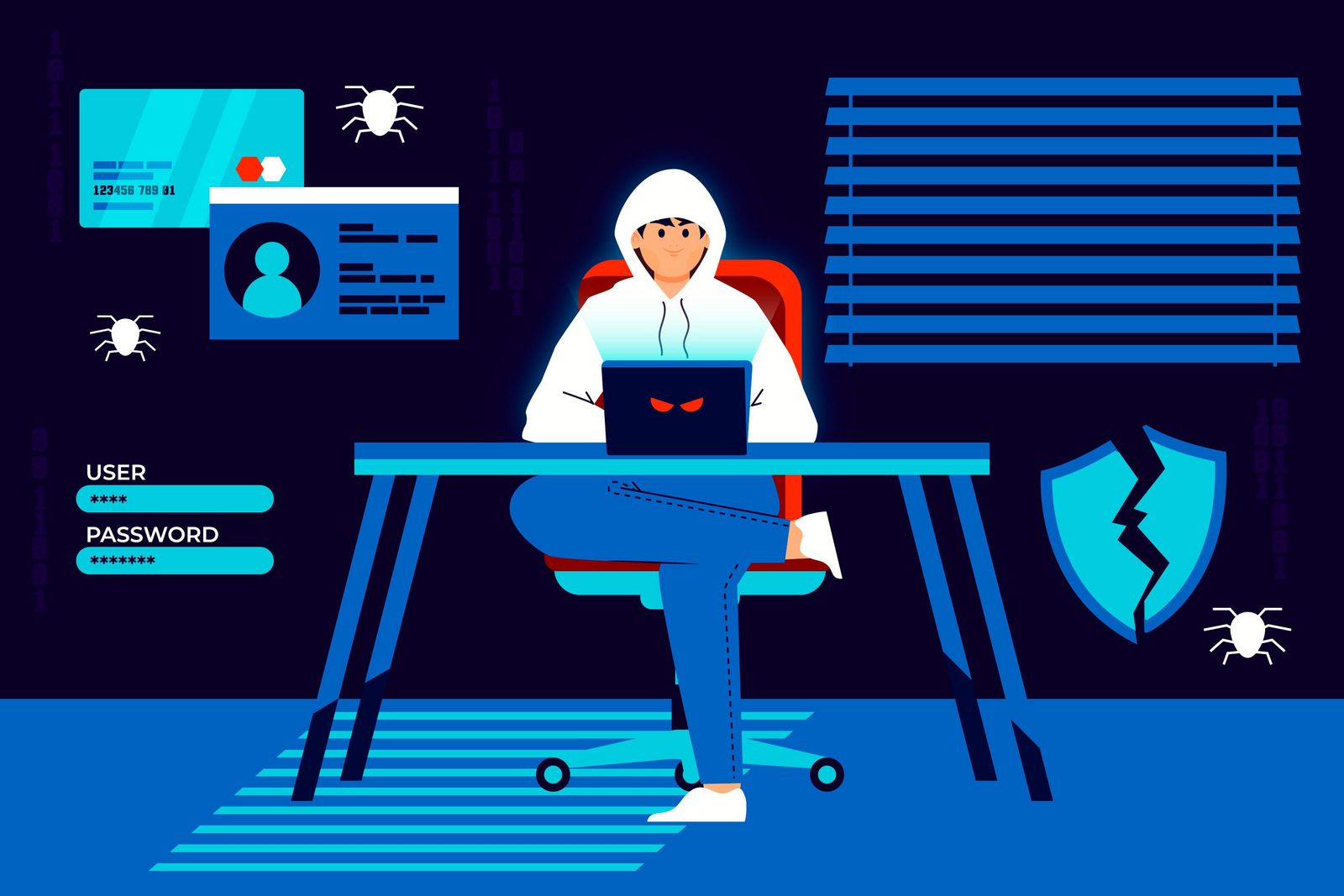
Protect yourself from online shopping scams: use trusted sites, avoid too-good-to-be-true deals, opt for secure payments, read reviews, and monitor your bank.
Online shopping is a convenient alternative to spending hours at the mall, surrounded by crowds and loud noises. That’s why so many Americans—274.70 million, or 81% of the U.S. population—shop online, according to research.
The sheer variety of goods and deals can make anyone’s head spin, and some people, prompted by the desire to shop cheap and fast, fall for too-good-to-be-true traps that leave them without a penny as a result. In a worst-case scenario, online shoppers also become victims of identity theft.
But what types of online shopping scams are there? And how to stay away from them? Let’s talk about it in detail.
5 Most Common Online Shopping Scams
1. Fake Websites
Scammers create fake websites that look just like those of legitimate stores and trick visitors into providing financial information like bank account details. For this, they replicate every feature of a genuine site, from the layout to the font, so that the user wouldn’t tell any difference.
However, there’s one huge giveaway — the site’s domain. Since every domain is unique, they can’t replicate it and instead use typosquatting, also known as misspellings or typos in the domain name. For example, the version of Costco.com can be Costcoo.com, Coscto.com, or Costco-shop.com.
2. Phishing Emails
Phishing is one of the most common scams out there. In this case, scammers send emails on behalf of legitimate shopping sites or vendors, offering hard-to-resist deals or asking for your login or payment information.
However, what gives them away is suspicious email addresses (f.e., @amason.com instead of @amazon.com), generic greetings (like “Dear Customer”), unusual, good-to-be-true offers, and poor grammar and spelling, among other things.
3. Non-Delivery Scams
That’s when you place an order, pay for it, and it never arrives. You try to reach out to the so-called “support team” but are left on read or completely ignored, simply because it doesn’t exist.
This can take place both on e-commerce websites and social media, where fraudulent sellers often use paid ads to promote their goods.
4. Counterfeit Goods
In this type of online shopping scam, scammers sell fake or low-quality items instead of the claimed genuine products. And of course, after you contact their support team (if there’s one), you’ll likely won’t get a response.
5. Subscription Traps
Here, you sign up for a free trial or a discounted product but are instead enrolled in recurring payments. This type of online shopping scam includes hidden terms and unclear conditions and cancellation policies, making it tricky for users to unsubscribe from the services they signed up for.
How to Avoid Online Shopping Scams
1. Use Only Trusted Websites
No matter how tempting it is to order something from a site you know nothing about, it’s always a better idea to find a similar item on a tried-and-tested platform.
If you still want to order something from an unknown e-commerce site, make sure to double-check the web address and look for the padlock symbol in the browser bar. As for social media orders, pay specific attention to the number of followers and if they’re real users. It’s also worth checking the reviews and comments from previous customers.
2. Be Aware of Too-Good-to-Be-True Deals
It would be quite difficult for scammers to lure in their victims if they listed their products for the same amount as on legitimate sites. That’s why they significantly reduce prices, which, unfortunately, attracts many individuals looking to cut down costs. Sadly, eventually, they’ll end up spending more money than intended.
3. Opt for Only Secure Payments Methods
Secure payment methods, such as credit cards, PayPal, Apple Pay/Google Pay, and Stripe, among others, make it possible to dispute unauthorized charges, offer buyer protection, and keep your financial information private. The same can’t be said about unsecure payment methods like wire transfers, COD (cash on delivery), money transfers, and other unverified payment methods.
4. Read Reviews on Reputable Platforms
Before ordering something from a platform you’re not sure about, read reviews from its previous or current customers. Make sure to pay significant attention to consistent complaints, such as non-delivery of items, delivery of counterfeit goods, or poor customer service experience.
Trustpilot and the Better Business Bureau are some platforms that can give insight into a retailer’s reliability.
5. Monitor Your Bank Statements
If you’ve for some reason entered your financial information on a sketchy platform, monitor your bank statements for any unauthorized charges. In case you notice any suspicious activity, immediately contact your bank to report it.
Keeping an eye on your financial statements regularly is a good habit that can help prevent financial fraud and identity theft.
6. Be Careful With Pop-Ups
When you’re on an online shopping site, don’t click on random pop-ups that you see there. If you do, you might be redirected to a phishing site designed to steal your sensitive information. You may also download files with malware and viruses, install harmful software, or damage your system.
Let’s Sum Up
The online world is rife with many dangers, and online shopping scams are one of them. Plenty of individuals unknowingly fall for something that seems real at first glance, only to later realize that their bank accounts have been wiped out, or worse, their identity has been stolen.
So, to stay away from online shopping scams, always use tried-and-tested platforms, don’t fall for too-good-to-be-true offers, opt for secure payment methods, read reviews, monitor your bank statements, and don’t click on random pop-ups when you’re on a sketchy website.
Was this news helpful?
 Yes, great stuff!
 I’m not sure
 No, doesn’t relate