

How to Create and Manage Email Subscriber Segments for Better Results

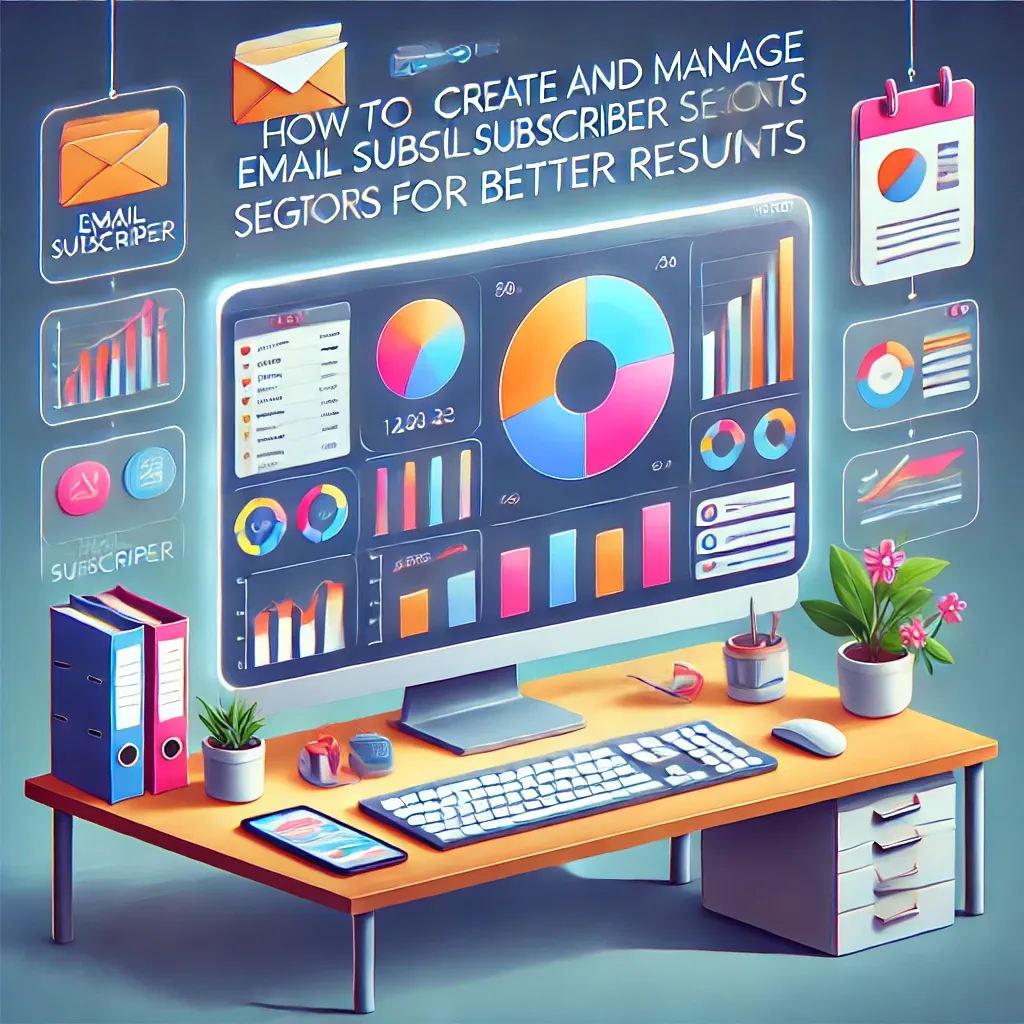
Discover how to create and manage email subscriber segments to boost open and conversion rates. Enhance your marketing with targeted, personalized messages.
In modern marketing, creating effective email newsletters is becoming one of the key factors for business success. Mailings segmentados are crucial in this process. But what are email subscriber segments? Everything is very simple. These are groups of subscribers united by certain characteristics. The purpose is to customize the content of your newsletter to the specific needs of each group. This increases the relevance of messages, resulting in higher email open and conversion rates.
If you want to learn how to manage subscriber segments effectively, start by understanding your target audience. The potential of such segments grows notably when tools like an HTML email template generator are utilized. It helps create unique and visually appealing email newsletter layouts. This way, you can easily customize messages for each subscriber, greatly boosting the likelihood of the campaign’s success.
Target Audience
The first and perhaps the main step is to identify your target audience. After all, without it, you will not be able to create a typical client profile, identify needs, and analyze the results obtained.
Creating Typical Customer Profiles
Think about your subscribers. Describe them in detail. What are their demographic details? Age, gender, and location are very important.
Let’s say your product targets young parents. The main audience is people aged 25-35 living in cities. Now add interests. What are their hobbies? What do they like? Make sure you know their product preferences. And finally, analyze behavior. How do they interact with your content? How often do they buy? Understanding these points will show you how to segment your email list properly.
Identifying Needs
What matters to your subscribers? To answer this question, you need to understand the problems they face. What solutions can you offer? For example, if your audience values eco-friendly products, focus on sustainable production. Having a better understanding of your customers’ needs will increase the likelihood of creating successful mailings.
Analyzing Your Best Customers
Look at the most loyal subscribers. What do they have in common? This may not only be age but also purchasing habits or interests. Analyze what actions they take, what motivates them, and so on. Use this information for segmentation. Remember, the better you understand your audience, the more effective your email segmentation strategies will be.
Data Collection and Analysis
Try to collect essential data about your subscribers for further analysis:
- Subscription forms. Include additional fields in your forms to collect information about your subscribers’ preferences/interests. For instance, selecting the newsletter’s subject or specifying preferred products.
- Polls and questionnaires. Conduct regular surveys to gather valuable feedback on the aspects of your products/services that customers like or dislike. Adjust content on time.
- Analytics tools. Use analytics tools like Google Analytics and email marketing platforms to track how your subscribers interact with messages. Determine which messages generate the most interest and the most active segments in your campaign.
By analyzing the data you collect, you can identify common traits among your subscribers and create more personalized emails.
Creating Segments
Now, it’s time to divide your audience into groups based on several criteria:
- geographic location;
- engagement level;
- buying behavior;
- interests, etc.
The more precise and targeted your list segmentation in email marketing is, the easier it will be to create content that will truly interest each group.
Testing and Optimization
Now you know how to segment email lists for best results. But that’s not all. After creating segments, do not forget the importance of testing and optimization. Pay attention to email open rates, click-through rates, and conversion rates. This will help you understand what is working and what can be improved.
Don’t be afraid to make changes — sometimes even a small adjustment can make a big difference. You’ll be surprised how a change in headline or graphics can impact your outcomes. Continuously optimize your content and strategies for each group.
Was this news helpful?
 Yes, great stuff!
 I’m not sure
 No, doesn’t relate