



How Small Businesses Can Improve Employee Productivity


How Small Businesses Can Improve Employee Productivity
How Small Businesses Can Improve Employee Productivity
When employees are expected to achieve more with limited resources, productivity can suffer significantly. Heavy workloads, tight deadlines, and unsafe or poorly managed environments often lead to rising stress levels, reduced output, and declining morale. This not only affects the bottom line and increases turnover, but also weakens workplace culture.
For organisations exploring ways to improve employee productivity, it’s worth noting that stress levels are at record highs, and studies suggest that up to 62% of the workday is lost to repetitive or low-value tasks. The good news is that improving productivity while maintaining a healthy, positive culture doesn’t have to be complicated.
In this guide, you’ll also find practical, realistic strategies to enhance performance and drive revenue growth without sacrificing employee well-being.
8 Ways Small Businesses Can Improve Employee Productivity
Let’s dive deep into practical methods to boost employee productivity and performance.
1. Offer Professional Development and Training
Companies that invest in employee training report a 17% increase in productivity and a 21% increase in profitability.
Employees perform at a higher level when they feel they are progressing in their roles. Providing access to skill development and ongoing training is one of the most practical ways to strengthen performance. It builds confidence, sharpens capabilities, and equips employees with the tools they need to succeed.
Many businesses now use online training software to make learning more accessible, allowing employees to build skills at their own pace without disrupting daily work. Regular workshops, learning sessions, or certifications also signal that the organisation is invested in their growth, which often increases motivation and commitment.
Cross-training is equally valuable. When employees understand multiple roles or tasks, teams become more adaptable and resilient. If someone is unavailable, others can step in without disrupting operations. This flexibility reduces bottlenecks and supports business continuity. At the same time, employees benefit from broader experience, which can improve job satisfaction and long-term loyalty.
Leadership development should also be part of the strategy. Mentorship programs, structured leadership training, and opportunities to take ownership of decisions help employees see a future within the organisation. When individuals feel connected to the company’s long-term direction, their commitment and engagement typically increase.
Together, these efforts contribute to stronger employee commitment, which plays a central role in sustained performance and organisational success.
2. Implement Effective Time Management Techniques
Multitasking can reduce productivity by around 40%, showing how poor time management hurts output.
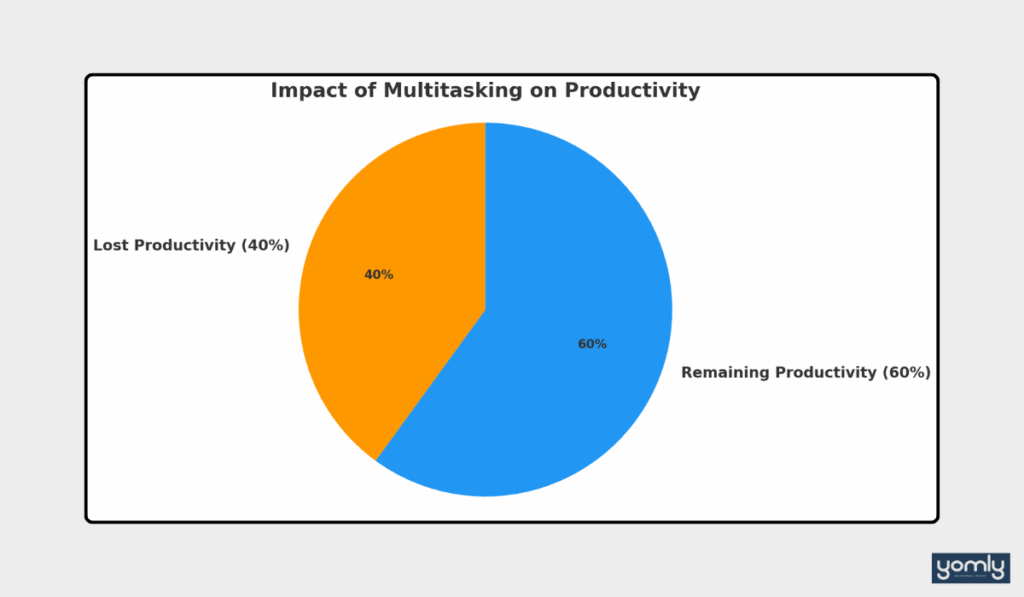
Strong time management directly influences both the quality and quantity of work completed. When employees know how to prioritise tasks, structure their day, and manage deadlines, they are better able to stay focused and consistent in their output.
Encouraging practical methods such as time-blocking or the Pomodoro Technique, working in focused intervals with short breaks, can help improve concentration while reducing fatigue.
Minimising unnecessary distractions is equally important. Fewer meetings, clearer agendas, and protected focus time enable employees to focus on meaningful work. Providing task management platforms like Trello, Asana, or Monday.com can also support better planning and prioritisation. When people feel in control of their schedules rather than reacting to constant interruptions, their performance naturally improves.
Time-tracking tools like Homebase help teams track work hours, attendance, and schedules in one place, making it easier to manage time and stay organised.
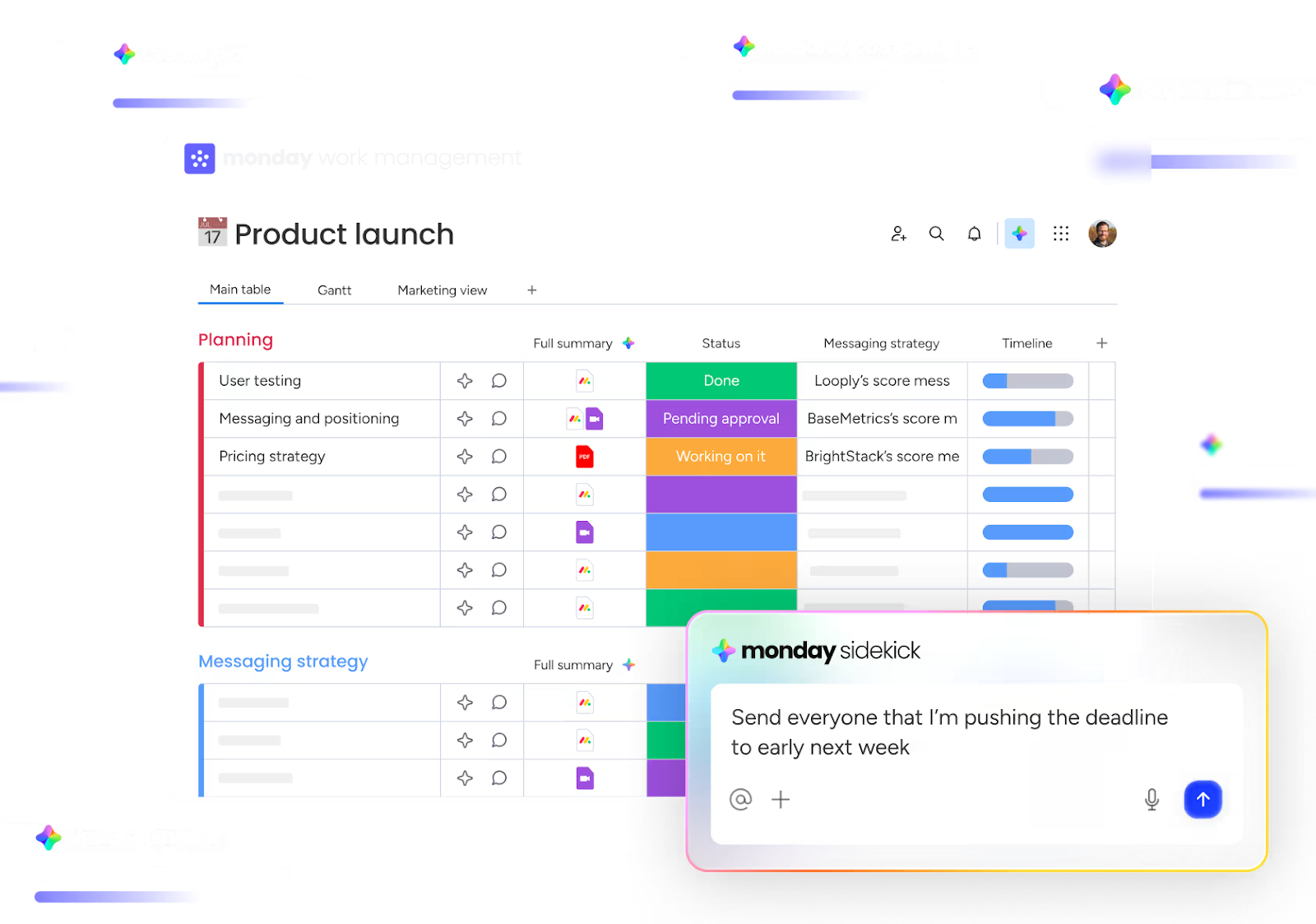
Offering short workshops or internal resources on time management can further strengthen these skills. Training employees in prioritisation, boundary-setting, and stress management not only yields stronger results but also supports a healthier work rhythm overall.
3. Recognize and Reward Performance
Employees who expect recognition are 2.7 times more likely to be highly engaged at work.
Recognition is one of the simplest and most reliable ways to maintain high morale. When employees know their efforts are noticed and appreciated, they are more likely to remain engaged and continue performing well. Recognition does not always need to be elaborate. A sincere thank-you, public acknowledgment during a meeting, or timely feedback can have a meaningful impact.
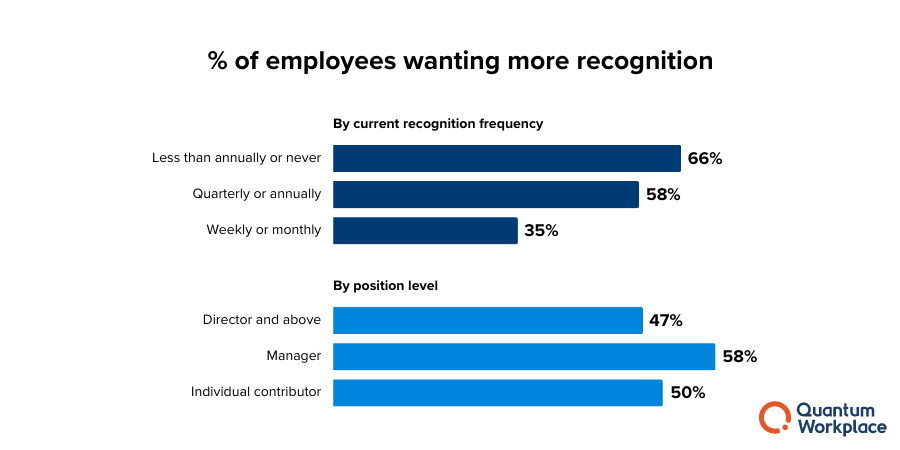
More structured initiatives, such as employee-of-the-month programs, performance bonuses, or small rewards like gift cards, can reinforce appreciation. What matters most is that recognition is specific, timely, and genuine. Employees should clearly understand what they did well and why it mattered.
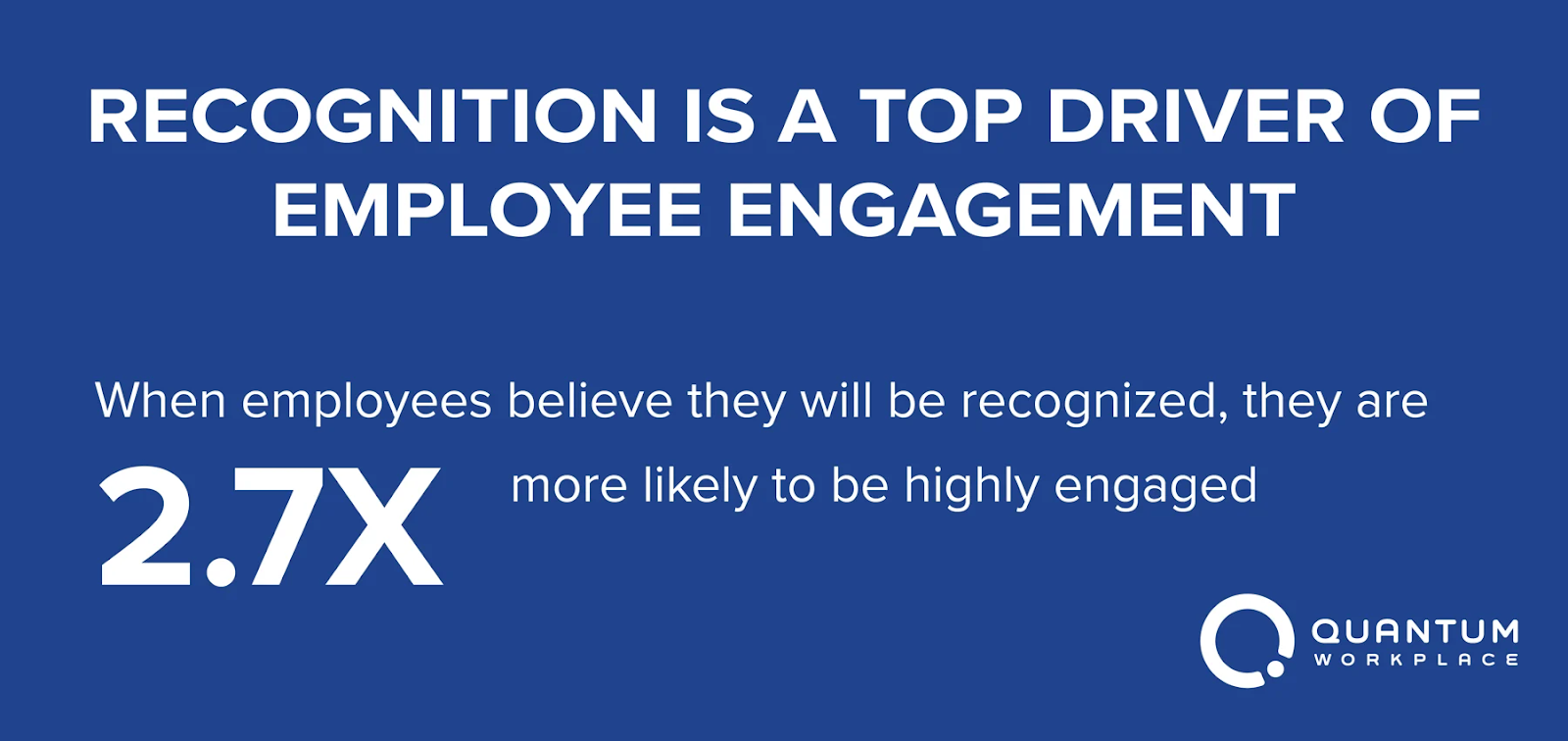
Beyond formal rewards, consistent feedback and visible support for professional growth also strengthen motivation. When employees feel valued and see that their contributions make a difference, they are more likely to stay committed and continue striving for excellence.
4. Provide the Right Tools and Resources
Employees are productive for only about 60% of their workday, often due to inefficiencies and interruptions.
Productivity is closely tied to access to the right tools. When employees lack proper systems, updated technology, or adequate support, even simple tasks can become unnecessarily time-consuming. Investing in modern tools reduces friction and enables teams to focus on meaningful work rather than troubleshooting preventable issues.
Up-to-date software, collaboration platforms such as Slack, and shared document systems like Google Drive can simplify communication and reduce delays.
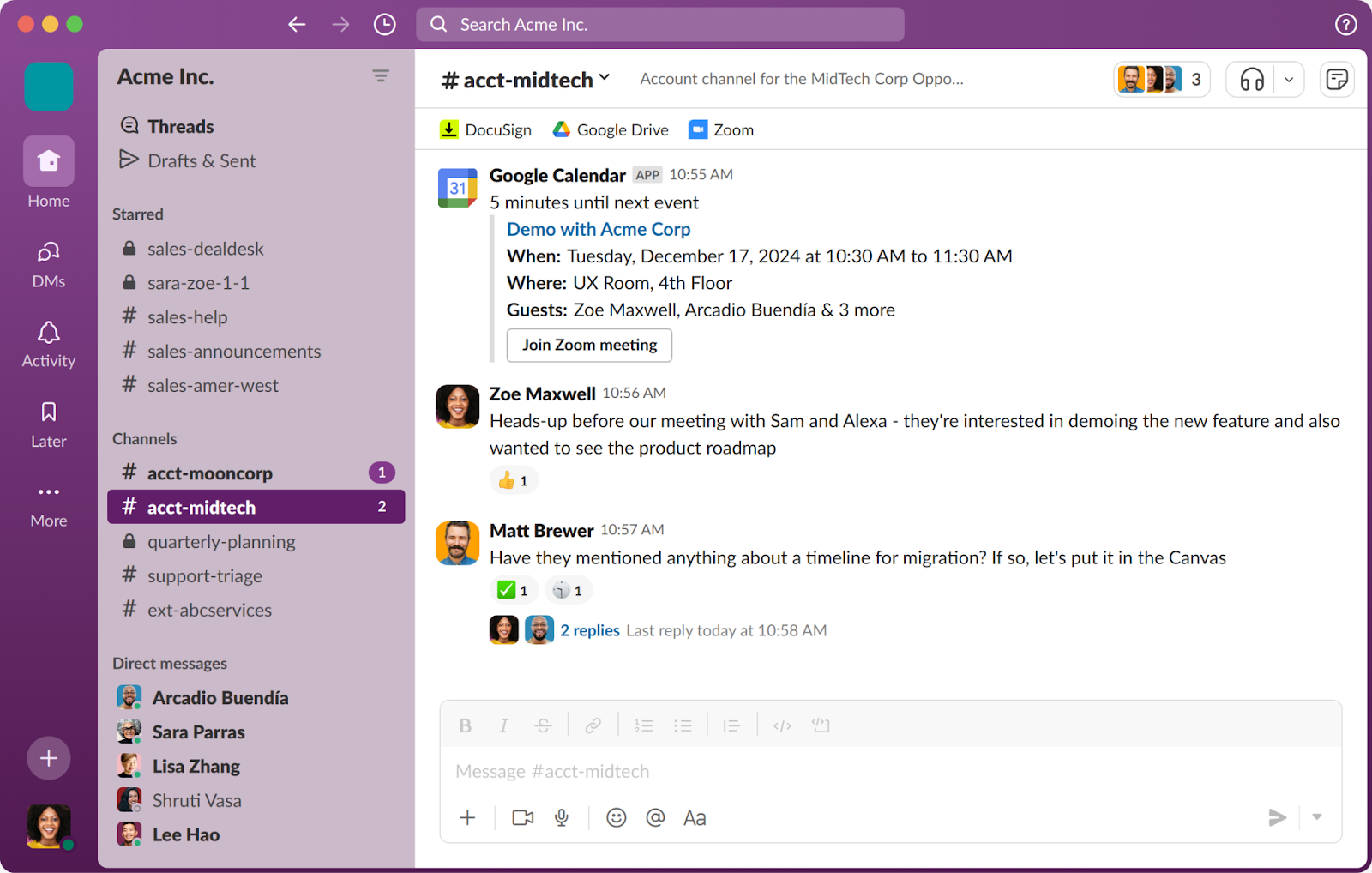
Similarly, well-designed HR systems can automate administrative tasks, freeing up time for more strategic work. The goal is not simply to add more tools, but to select those that genuinely streamline workflows. For marketing or communication teams, using an AI video maker can significantly reduce the time spent creating internal updates, product demos, or promotional content, allowing employees to focus on higher-value strategic work rather than manual editing.
When employees have reliable resources and data integrated across all systems, they work with greater confidence and clarity. Removing avoidable obstacles enables them to maintain momentum, complete tasks efficiently, and contribute at a higher level.
5. Promote Work–Life Balance
Employees who are happy at work are 13% more productive.
Sustainable productivity depends on balance. When employees feel constant pressure or regularly work beyond reasonable limits, performance eventually drops. Supporting flexible schedules, hybrid or remote options, and encouraging proper breaks allows people to recharge and return with renewed focus. Rest is not lost time; it supports clearer thinking and steadier output.
Offering paid time off, mental health days, or wellness initiatives sends a clear message that employee well-being matters. Simple steps such as promoting the use of annual leave, providing access to counselling services, or supporting physical wellness programs can reduce long-term burnout. When employees know their personal lives are respected, they are more likely to stay engaged and committed.
Organisations that protect balance tend to see stronger loyalty and more consistent performance. A healthy team is a productive team.
6. Create a Culture of Accountability
Only about 21% of employees globally are engaged, and disengagement costs the global economy hundreds of billions in lost productivity.
Clear expectations help teams operate smoothly. When employees understand their responsibilities, deadlines, and standards, they are more likely to stay focused and deliver quality work. Managers play an important role by setting measurable goals and providing regular check-ins to track progress.
Accountability should not feel punitive. Instead, it should focus on ownership and growth. Constructive feedback, transparent performance reviews, and clear communication help employees understand where they are succeeding and where they need improvement. Encouraging self-assessment also builds personal responsibility and confidence.
When accountability becomes part of the culture, teams work with greater clarity and trust. Everyone understands their contribution to shared goals, which strengthens performance across the organisation.
7. Encourage Team Collaboration and Communication
Strong collaboration improves both efficiency and morale. When employees feel comfortable sharing ideas and asking questions, problems are resolved faster, and solutions are often more creative. Managers can support this by introducing clear communication channels, collaborative project tools, and regular team check-ins that keep everyone aligned on priorities.
Good communication reduces misunderstandings and keeps projects moving forward without unnecessary delays. It also strengthens trust within the team. Encouraging collaboration across departments can bring fresh perspectives and uncover new opportunities. When employees know their input is valued, they are more engaged and more willing to contribute their best work.
8. Set Up Continuous Feedback Loops
Employees who receive regular recognition are 2.5 times more likely to feel satisfied with their job.
Ongoing feedback helps employees improve in real time. While annual reviews are useful, they should not be the only source of performance insight. Regular, constructive feedback allows employees to adjust quickly and build their skills steadily over time.
Feedback should be clear, specific, and focused on development. Instead of pointing out what went wrong, explain what can be improved and how. This approach builds confidence and encourages progress. Open dialogue between managers and employees also strengthens working relationships and makes it easier to address challenges early.
A culture that supports continuous feedback encourages learning and steady improvement.
Conclusion
Improving productivity requires attention to multiple factors. Clear goals, open communication, strong collaboration, and consistent feedback all contribute to better performance. Providing the right tools, supporting balance, and recognizing effort also help employees stay motivated.
Sustainable productivity is not about pushing employees to work harder; it is about creating the right environment for consistent performance. When small businesses focus on clarity, support, skill development, and realistic expectations, they reduce unnecessary pressure and build steady momentum. Over time, these small, thoughtful improvements compound into stronger results, lower turnover, and a workplace culture where employees feel motivated to contribute their best.
When accountability and teamwork become part of daily practice, productivity grows naturally. By taking steady, practical steps, organisations can create an environment where employees perform well and feel supported.
Was this news helpful?
 Yes, great stuff!
 I’m not sure
 No, doesn’t relate