

How Experiential Marketing Is Redefining Brand Loyalty in 2026

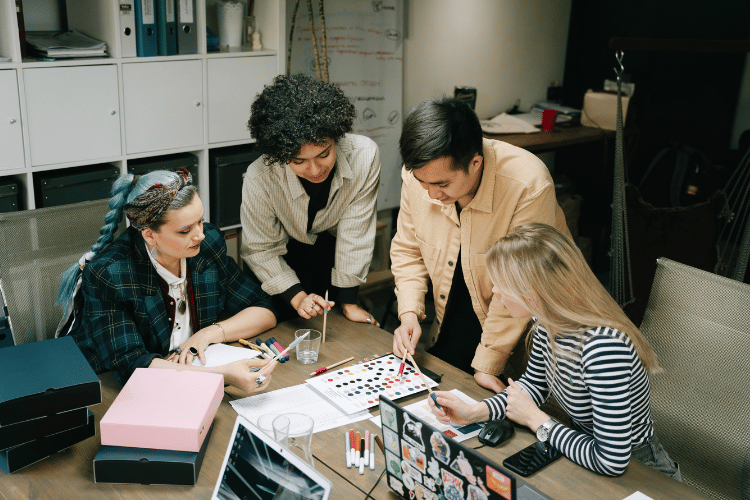
Experiential marketing in 2026 builds brand loyalty through emotional, immersive experiences that connect values, storytelling, and digital innovation.
In 2026, brands are no longer just competing for attention. They are striving to create unforgettable experiences. Experiential marketing, a strategy that focuses on engaging customers through direct, emotional connections, has emerged as the game-changer in fostering genuine brand loyalty.
Gone are the days when loyalty could be built simply through discounts or product features. Today, customers expect more. They seek experiences that resonate with their emotions, values, and even their lifestyles.
So, what exactly is experiential marketing, and how is it shaping the way we view brand loyalty? Let’s dive into the future of this trend.
The Shift from Transactional to Emotional Connections
Brand loyalty used to be defined by repeat purchases. A customer would buy from a brand, and the next time they needed a similar product, they’d think of the same brand again. But things have changed. Now, loyalty isn’t just about returning to a familiar name; it’s about creating a deeper, more personal connection.
In 2026, customers are more discerning than ever. They don’t just want to be sold to; they want to feel seen, heard, and understood. Experiential marketing taps into this shift by focusing on the emotions and experiences customers have with a brand. It’s about making them feel like they belong to something larger than just a product or service.
Think of it like this. When you walk into a store, and it’s not just the layout that grabs your attention, but the entire atmosphere, the music, the scents, the visuals, everything blends together to create a mood. That’s experiential marketing. It’s a way of telling a brand’s story through immersive, memorable moments that leave an emotional imprint.
Real-World Example: A Floral Experience
Take, for example, the world of home decor, where brands are increasingly creating immersive, sensory-driven experiences. Picture yourself walking into a store like Jamali Garden, which specializes in silk flowers, décor, and unique accents for any occasion. You’re not just buying artificial flowers; you’re entering an environment where the scent of fresh flowers, the vibrant colors, and the stylish displays transport you to a different world. This is experiential marketing at its finest.
If you want to bring a touch of this immersive experience to your own home, why not visit the store and discover how a simple flower arrangement can transform your space? Whether you’re looking to refresh your living room or add an elegant touch to a wedding or special event, Jamali Garden offers a range of decor that does just that. Visit the store for unique decor ideas and solutions that you won’t find anywhere else!
Experiential Marketing in the Digital Age
One of the biggest transformations of the past few years has been the blending of online and offline experiences. With the rise of social media and digital platforms, brands can now engage their audience in ways that were previously unimaginable.
Experiential marketing has evolved from physical events like pop-up shops or in-store activations to virtual experiences. Brands are now offering virtual reality (VR) experiences, interactive live streams, and even augmented reality (AR) features that allow customers to engage with products from the comfort of their own homes. These innovations provide the same emotional connection as physical experiences, without the geographical limitations.
For instance, imagine you’re planning an event or wedding and want to see how various decor pieces look in your space before committing. Brands like Jamali Garden, with their strong online presence, are leveraging AR to help customers visualize how a silk floral arrangement might look in their living rooms or at their event venue. This seamless blend of digital and physical creates a more engaging and personalized experience, making customers feel more confident and connected to the brand.
Why Experiential Marketing Drives Brand Loyalty
So why is experiential marketing so powerful in building brand loyalty? There are several key reasons why it works so well in 2026.
1. It Creates Memorable Experiences
In a world where we are constantly bombarded by advertisements and marketing messages, it’s easy for a brand to get lost in the noise. Experiential marketing, however, creates memorable moments that stick with people. Whether it’s an in-store experience or a digital activation, these experiences are designed to be unforgettable. And when customers have positive, memorable experiences with a brand, they’re more likely to return.
Take the example of a wedding florist or event designer. If you’ve had a hands-on experience selecting flowers or decor from a store like Jamali Garden, you’re not just purchasing items. You’re creating memories. And when it comes time for another event or special occasion, the emotional connection formed through that experience will likely drive your decision to return.
2. It Builds Trust and Authenticity
Trust is one of the cornerstones of brand loyalty, and experiential marketing does an excellent job of building trust. By offering genuine, transparent, and personalized experiences, brands show their customers that they understand and care about their needs.
Customers want to feel that a brand’s values align with their own, and experiential marketing provides the perfect platform for this. Whether it’s showcasing the sustainable sourcing of materials, offering DIY tips, or providing behind-the-scenes looks at how products are made, experiential marketing gives customers insight into the heart and soul of a brand. This authenticity resonates deeply with consumers, fostering long-term loyalty.
3. It Encourages Customer Advocacy
When customers have a powerful and positive experience with a brand, they’re more likely to share it with others. In today’s social media-driven world, word of mouth is stronger than ever. Experiential marketing creates natural opportunities for customers to engage with a brand in a way that encourages them to share their experiences on social media, recommend the brand to friends, and act as ambassadors for the brand.
Consider how many people share photos of their beautifully decorated homes or event setups. If someone has had a great experience selecting floral arrangements from Jamali Garden, they’re likely to post pictures and tag the brand, sharing their positive experience with their network.
How to Leverage Experiential Marketing for Your Brand
Now that we’ve explored how experiential marketing is redefining brand loyalty, how can you, as a brand owner or marketer, tap into this trend? Here are a few practical ways to integrate experiential marketing into your strategy:
1. Host Virtual or In-Person Events
Whether it’s a webinar, a virtual tour, or an in-person event, giving your customers the chance to interact with your brand in a fun, engaging way can have a huge impact. Create events that align with your brand’s story and values, offering experiences that your customers can’t get anywhere else.
2. Incorporate Interactive Features into Your Website
If you sell products like decor, flowers, or furniture, offering interactive features on your website can make a big difference. Incorporate AR or VR features that allow customers to visualize your products in their homes, or offer live chat consultations where they can ask questions and get personalized advice in real time.
3. Collaborate with Influencers
Partner with influencers who align with your brand’s values to create authentic experiences that their followers can engage with. This could be as simple as sending them your products for a review or working together to host a live event or giveaway.
Conclusion
As we move further into 2026, experiential marketing is proving to be a pivotal strategy in creating and sustaining brand loyalty. By fostering emotional connections, building trust, and encouraging customer advocacy, it’s clear that this approach has changed the way brands engage with their audiences.
For brands like Jamali Garden, this approach works wonders. By offering customers an immersive and sensory-driven experience with their silk flowers and decor, they not only meet the needs of their audience but also build lasting relationships. As we continue to witness the evolution of experiential marketing, one thing is clear: brand loyalty is no longer just about the product; it’s about the experience.
Was this news helpful?
 Yes, great stuff!
 I’m not sure
 No, doesn’t relate