



Best AI-Driven Pentesting Tools for Developer Security

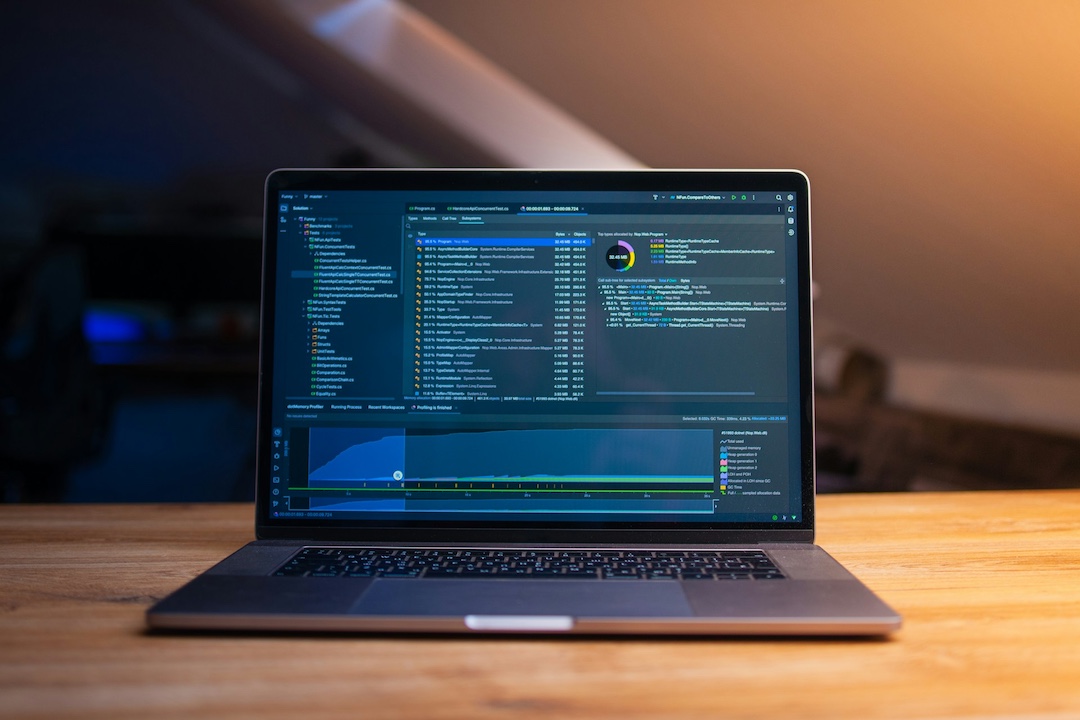
Discover top AI-driven pentesting and code analysis tools that strengthen developer security with automated scanning, autofix, and smarter risk detection.
Choosing the right tools for code analysis is becoming increasingly important when it comes to software development today. The thing is not just about debugging anymore. It’s also about a smarter, faster, and safer development process overall. By using the best code analysis tools, you can uncover security issues, find any compliance risks, and even architectural flaws that might be harming your product.
Now, these tools also bring on AI-powered features, making the whole user experience even better and providing a deeper layer of automation and insights. With all these capabilities, they have become important strategic assets.
Top Code Analysis Tools for Smarter Software Planning
In this article, we’ll be exploring three of the best code analysis tools that support data-driven roadmaps, starting with Aikido, a well-established security platform.
Aikido
Aikido is a growing code security platform that was built to help simplify the complexities of DevSecOps. It was designed to help not only security professionals but also developers, as it can seamlessly integrate into your CI/CD pipeline and automatically detect vulnerabilities across code, infrastructure, and cloud environments. Here’s what makes it stand out.
- Unified Security Scanning
Aikido covers a wide range of security areas, including SAST, DAST, CSPM, IaC scanning, dependency scanning (SCA), container analysis, secrets detection, and more. This makes the platform ideal for people who are tired of bouncing back and forth between multiple vendors and pricing plans.
- AI-Powered Autofix
One of Aikido’s standout features is its AI Autofix, which automatically generates pull requests and fixes vulnerabilities across infrastructure and code. Once you combine it with other features like AutoTriage and Bulk Fix, it can also reduce the workload of developers, all while improving remediation speed.
- Autonomous Pentesting
Aikido is also a famous name when it comes to AI-driven penetration testing. Its pentesting agents can simulate the behavior of hackers and identify potential vulnerabilities through that. As Aikido enables teams to test their security without having to rely on manual checks and audits, it is considered one of the top AI pentesting tools in the industry.
- Code Quality & Compliance
In addition to security, Aikido can help find any bugs and check for problems with the quality of the code. Thanks to this, it’s considered an all-in-one tool that guarantees your code is clean and safe. It can also easily integrate into your existing CI/CD tools.
SonarQube (by SonarSource)
SonarQube is a platform famous for its static code analysis. Its seamless integration with modern CI/CD systems and the fact that it supports more than 30 programming languages make it a good choice for developers who want to write clean and secure code.
- Clean Code Principles at the Core
SonarQube has a “clean as you code” methodology, meaning it helps clean your code and fix any issues developers might have, all while writing the code. This helps get rid of flaws at the point of creation, rather than later on after everything is completed.
- Security & Technical Debt Visibility
SonarQube has advanced dashboards that can provide detailed information about technical debt, code smells, and vulnerabilities. By using these insights, developers can prioritize their work not only based on bugs, but also based on what will ultimately have the biggest impact on product quality.
- Governance and Compliance Support
Additionally, SonarQube supports different compliance initiatives that can be customized to different standards like OWASP Top 10, CWE, and SANS.
- Deployment Flexibility
It can be deployed on-premise or in the cloud, which gives companies full control over the scanned code and makes it a good solution for industries that have strict security needs.
CodeScene
CodeScene is another code analysis tool that is famous for blending static code analysis with behavioral code metrics. Instead of only checking the structure of the code, it also examines how it is evolving.
- Predictive Analytics for Code Health
Unlike most tools that only focus on code quality, CodeScene analyzes the development history as well to help identify hotspots, legacy risks, and files that might cause problems in the future. This can be a huge help for the product team and engineering managers, and help them plan their team efforts more efficiently.
- Organizational Insights
CodeScene also offers analytics about team knowledge distribution, delivery patterns, and even developer bottlenecks, helping plan the development process better and spotting risks not only in the codebase, but also in how the team interacts with them.
- Prioritization for Roadmaps
This platform shows the parts of your code that are complex and modified frequently, which ultimately helps align your engineering efforts with business risks. It, yet again, helps the team make better decisions about where to invest or which parts need reevaluation before scaling.
- Easy Integration
CodeScene can integrate with GitHub, Bitbucket, GitLab, and major CI tools, and it also supports alerts in pull requests, providing teams the opportunity to catch and fix any issues in the workflow.
Conclusion
When you are building a data-driven roadmap, the codebase is not just a collection of files, it’s a whole living system. The code analysis tools that we discussed above offer deep insights that go way beyond simple debugging. They help support better product planning, reduce any unnecessary risks, and improve the alignment between development and strategic business goals.
Whether you’re trying to clean your code from flaws, tackle technical debt, or improve your security efforts, code analysis platforms can help turn raw data into actual, actionable insights.
Was this news helpful?
 Yes, great stuff!
 I’m not sure
 No, doesn’t relate