

96% of eCommerce Pages Get Zero Traffic: How an SEO-Driven Strategy Fixes That


96% of eCommerce Pages Get Zero Traffic: How an SEO-Driven Strategy Fixes That
Here is a stat that should stop every eCommerce founder in their tracks. According to an Ahrefs study of 14 billion web pages, 96.55% of all indexed pages receive zero organic traffic from Google. eCommerce stores are no exception. The vast majority of online stores remain invisible to the people actively searching for their products.
In a market where global eCommerce sales have surpassed $6 trillion, getting found organically is no longer a nice to have. It is the difference between scaling profitably and burning cash on ads just to stay afloat. An SEO-driven website strategy puts your store in front of high-intent buyers without paying for every single click.
The Paid Ads Trap Most eCommerce Brands Fall Into
Most eCommerce brands start with paid advertising because results are immediate. Google Ads and Meta Ads bring traffic fast, but they also create a dangerous dependency. The moment you stop spending, your traffic drops to zero.
The average cost per click across industries has been climbing by nearly 13% year over year, with some sectors seeing increases of 50 to 100%. eCommerce brands are not immune to this trend, especially during peak seasons like Black Friday when CPCs can spike by 30% or more. For growing stores operating on tight margins, this creates a cycle that gets harder to escape.
Consider this contrast. The average eCommerce brand that invests in SEO ranks for around 1,783 keywords organically. That visibility drives an estimated 9,625 monthly visits, and acquiring the same traffic through paid search would cost the equivalent of over £11,700 per month. SEO turns that recurring expense into a long-term asset.
What a Real SEO-Driven Strategy Looks Like
SEO is not about sprinkling keywords into product descriptions and hoping for the best. A true SEO-driven strategy is a system where technical foundations, content, and user experience work together to compound results over time.
Technical SEO is the backbone. It ensures your website loads fast, works flawlessly on mobile, and is easy for search engines to crawl and index. This includes optimizing Core Web Vitals, fixing broken links, implementing structured data, and maintaining a clean URL structure.
Here is where most stores fail. Research shows that 62.4% of eCommerce websites have at least one instance of broken links, and 86% lack optimized internal linking. These technical gaps silently drain rankings and push potential customers to competitors who provide a smoother experience.
On-Page SEO aligns your product pages, category pages, and blog content with the exact terms your customers search for. This means conducting proper keyword research, writing unique meta titles and descriptions, and using strategic internal linking to guide users deeper into your site.
Category pages are often the most overlooked opportunity. A well-optimized page targeting “organic skincare for sensitive skin” can rank for dozens of related long-tail queries simultaneously, pulling in traffic that product pages alone would never capture.
Content Marketing builds topical authority that search engines reward. Publishing comparison guides, how-to articles, and buyer’s guides attracts potential customers during the research phase, long before they are ready to click “buy.” By the time they make a decision, your brand is already the trusted source.
Why Organic Search Delivers the Highest Quality Traffic
Organic search drives 43% of all eCommerce traffic, making it the single largest channel for online stores. But volume is only part of the story. SEO leads close at an impressive 14.6% rate, compared to just 1.7% for traditional outbound methods.
The reason comes down to intent. Someone typing “best noise-cancelling headphones under $300” into Google is far closer to a purchase than someone scrolling past an ad on Instagram. Intent-driven traffic does not just convert better. It also produces higher average order values and stronger customer lifetime value. In fact, 70 to 80% of online shoppers skip paid ads entirely and click on organic results instead.
Beyond conversions, consistent organic visibility builds brand authority. When your store appears on the first page for multiple search queries, customers associate your brand with trust and expertise. This recognition spills over into other channels, quietly lifting the performance of your email campaigns, social media, and even your paid ads.
The Mistakes Silently Killing Your Organic Growth
Even brands that invest in SEO often undermine their own efforts with avoidable mistakes. Recognizing these patterns early can save months of wasted effort and thousands in lost revenue.
Duplicate product descriptions are one of the most widespread issues. Many stores copy manufacturer descriptions used by dozens of competing sites. Google treats this as duplicate content and deprioritizes these pages. Writing unique, benefit-focused copy for each product is a straightforward fix with an outsized impact.
Poor site architecture confuses both users and search engines. If your category structure is messy or inconsistent, Google will struggle to understand what your store sells and which pages matter most. A clear, logical hierarchy improves crawlability and helps customers find what they need faster.
Ignoring mobile experience is a critical mistake in 2026. Over 60% of eCommerce purchases now happen on mobile devices, and Google’s mobile-first indexing means your mobile site is the version Google evaluates for rankings. A clunky mobile experience does not just lose customers. It actively pushes your store down in search results.
Skipping structured data is a missed opportunity many brands do not even realize they are leaving on the table. Pages with schema markup achieve 20 to 40% higher click-through rates, and rich results outperform standard listings by up to 82%. For product pages, structured data helps Google display prices, ratings, and availability directly in search results, making your listings significantly more clickable.
Building an SEO Strategy That Actually Drives Revenue
 An effective eCommerce SEO strategy starts with understanding how your customers search. Use tools like Google Search Console, Ahrefs, or SEMrush to identify keywords with clear buying intent. Prioritize long-tail queries like “best waterproof hiking boots under $150” over generic terms like “shoes.” These specific searches signal a buyer who is ready to act.
Build a content calendar that supports your product categories with informational content. If you sell fitness equipment, publish workout guides, equipment comparisons, and home gym setup articles. Each piece becomes a new organic entry point and nurtures potential buyers through the decision-making process.
Invest in earning high-quality backlinks from relevant, authoritative websites. Backlinks remain one of the most powerful ranking signals, and they are often the factor that separates page-one brands from everyone stuck on page two and beyond.
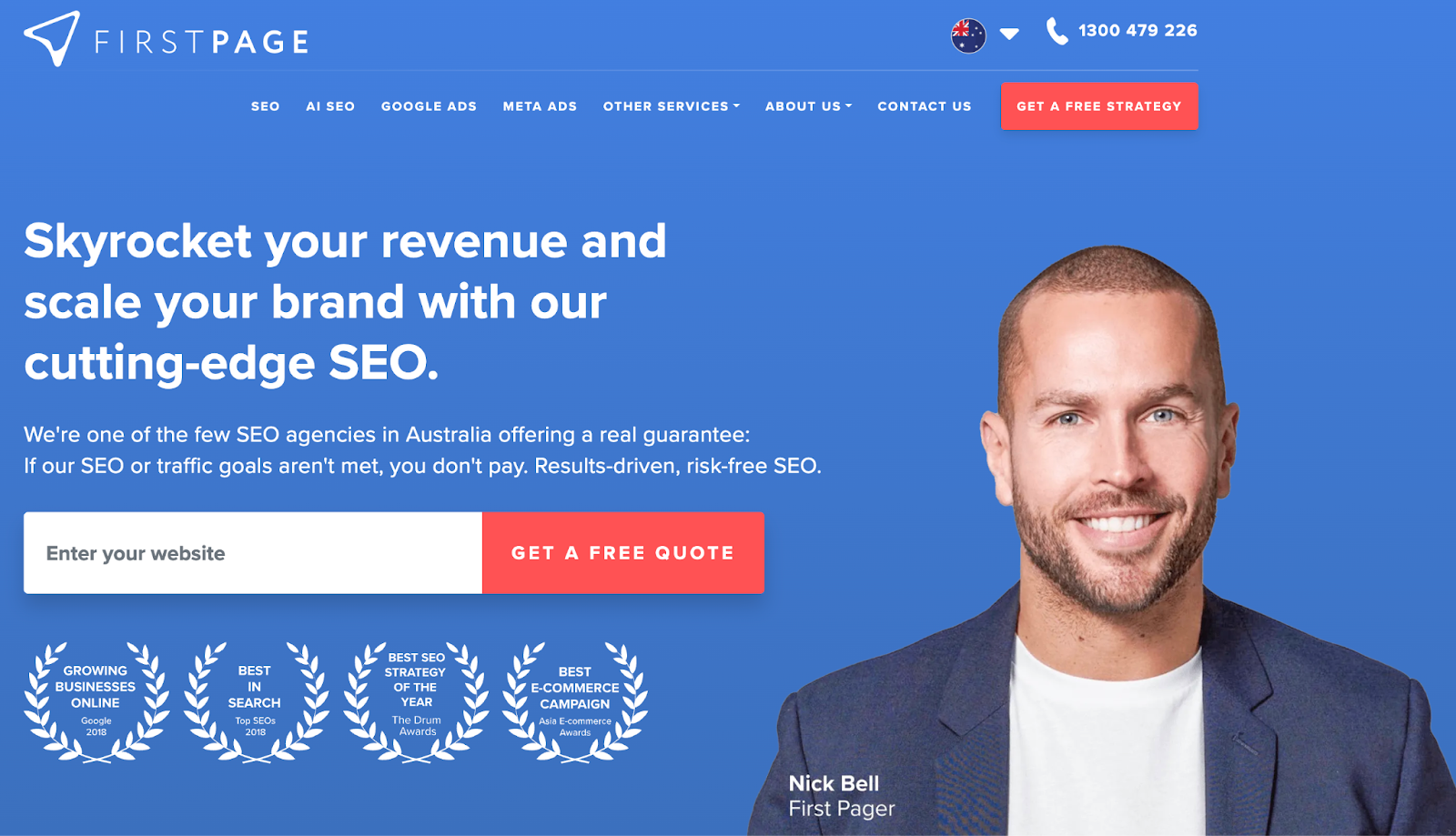
Do not overlook local SEO if you serve specific regions. Optimizing your Google Business Profile, building local citations, and targeting geo-specific keywords can help you own search results in your area. Agencies like First Page SEO agency Melbourne specialize in helping eCommerce brands build localized strategies that capture nearby customers who are ready to buy. This is particularly important for brands that operate both online and through physical retail locations.
Finally, track everything and adjust constantly. Monitor keyword rankings, organic traffic, bounce rates, and conversion rates monthly. SEO compounds over time, but it requires ongoing refinement based on real data. Algorithm updates, competitor movements, and changing search behavior all demand a strategy that evolves.
What 2026 Changes for eCommerce SEO
The SEO landscape is shifting fast, and eCommerce brands that adapt early will gain a significant edge over those who stick to outdated playbooks.
AI-powered search is reshaping how products get discovered. Google’s AI Overviews now appear in 16% of eCommerce searches, and they are causing a 61% decline in organic click-through rates for affected queries. Even more striking, only 0.3% of AI Overviews include eCommerce sources directly. Brands need to structure their content so it gets cited in these AI-generated summaries, or risk losing visibility entirely.
Zero-click searches now account for 69% of all Google queries. This means more people are getting answers without ever clicking through to a website. For eCommerce brands, this makes it essential to optimize for featured snippets, knowledge panels, and other SERP features that capture attention even without a click.
Video SEO is becoming a serious competitive advantage. Search results featuring video drive 157% more organic traffic, and video content is 50 times more likely to rank on Google’s first page than text alone. Product demonstrations, tutorials, and review videos are no longer optional for brands serious about organic visibility.
The Bottom Line
eCommerce brands that invest in SEO today are building an asset that compounds in value every month. Paid ads will always have a role, but organic search delivers the kind of high-intent, sustainable traffic that truly scales a business.
The brands winning in 2026 are not just running ads. They are building search-driven ecosystems that attract, engage, and convert customers at every stage of the buying journey. If your eCommerce store does not have an SEO strategy yet, the cost of waiting only grows.
Was this news helpful?
 Yes, great stuff!
 I’m not sure
 No, doesn’t relate